That's Not My Neighbor is a brilliant take on the 'Papers, Please' style of gameplay, but infused with a deeply unsettling horror vibe. The 1955 setting and the grimy, hand-drawn art style create a sense of dread before a single word is even spoken. It manages to make the mundane task of checking paperwork feel incredibly high-stakes because the consequences of being wrong are visceral and terrifying.
The genius lies in the subtlety of the doppelgängers. Sometimes it’s a glaringly obvious monster, which is almost a relief, but other times it's a tiny typo on an ID card or a slightly different shade of eye color that you might miss if you're rushing. This game perfectly captures that 'uncanny valley' feeling. It’s stressful, addictive, and genuinely creepy. It’s easily one of the best indie horror titles currently available on mobile.
This is exactly what I want from mobile gaming: a strong concept executed with style. It takes the clerical-horror tension of 'Papers, Please' and gives it a localized, personal stakes feeling. Checking the shape of a neighbor's ears or the length of their nose against their file sounds like busywork, but when the music swells and you realize you just let a monster into the building, the dread is real.
The 1955 setting is handled perfectly—the art style is distinct and the analog technology (the rotary phone to call the D.D.D.) adds a layer of immersion. It’s a game of observation and paranoia. My only real complaint is that once you memorize the neighbors' 'correct' looks, some of the tension evaporates, but the 'Nightmare Mode' does a good job of keeping you on your toes. It’s a rare mobile title that feels like it has a real vision.
Performance: Perfect port with responsive touch controls for documents.
Buy if: You love detective work, atmospheric horror, and the gameplay of 'Papers, Please'.
Skip if: You want fast action or find paperwork-based mechanics boring.
Available on: iPhone, iPad, iPod
Version 1.0Sat Nov 21 2026
Requires iOS 12.0 or later. Compatible with iPhone, iPad, and iPod touch.The Department of Doppelganger Detection (D.D.D.) needs you!
Immerse yourself in the experience of working as a doorman in an apartment complex infested by beings that take on the appearance of your building's neighbors.
That's Not My Neighbor is a job simulator with science fiction elements and a slightly eerie aesthetic that will test your sense of observation and attention to detail.
Your job as a doorman is to allow or deny access to applicants seeking entry to your building. You will use tenants' documents and information to determine whether the applicant is truly human or not.
You will have the power to decide who enters the building and who is rejected or captured by the D.D.D. for extraction.
Include a variety of game modes: achieve different endings based on your performance in Campaign Mode, beat your score in Arcade Mode, test your skill in Nightmare Mode, and design your own tenants in Custom Mode.


That's Not My Neighbor is a psychological horror and social deduction game that puts you in the shoes of a security guard for an apartment building in 1955. The world is plagued by doppelgängers—monsters that look like humans—and it is your responsibility to verify the identity of everyone who tries to enter. You must cross-reference their entry permits, ID numbers, and physical appearance against a folder of known residents. If you spot a discrepancy, you must deny entry and contact the Doppelgänger Detection Department (D.D.D.). One mistake could lead to your demise and the end of the residents you are sworn to protect.
Disturbing hand-drawn 1950s aesthetic
Procedural visitor generation for high replayability
Intense atmosphere and jump scares
Complex deduction mechanics
Multiple ending scenarios based on your performance
Each visitor presents their ID and entry request. You must check the daily list to see if they are expected. Use the telephone to verify their appearance with their family members. If everything is correct, hit the green button; if not, hit the emergency alarm.
If a resident is not on the daily entry list, it is a major red flag. Call their apartment to confirm if they were supposed to be out.
Dinsun here, and I rarely say this: this game is perfect. It’s everything a game should be. It uses its mechanics—checking passports, stamping papers, looking for discrepancies—to tell a story that hits harder than any $100 million cinematic adventure. It forces you to make decisions that make you feel like a terrible person just to buy medicine for your digital son. That’s powerful. The iPad version is actually the superior way to play. Moving the documents around with your hands feels tactile and real, increasing the stress when you hear the clock ticking. It’s a conservative design: limited palette, lo-fi sound, and simple loops. But it’s executed with such precision that it’s impossible to ignore. Glory to Arstotzka. If you haven't played this, you aren't a serious gamer.
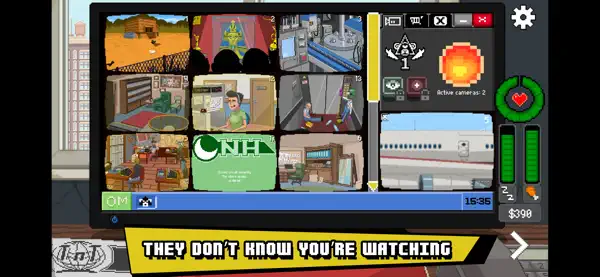
Now this is interesting. Do Not Feed the Monkeys captures that uncomfortable itch of modern surveillance. It’s stressful—juggling your health and hunger while trying to catch a specific keyword on a grainy screen. It reminds me of 'Papers, Please' in the best way. The mobile port is surprisingly tight, though the small screen makes clicking specific UI elements a chore. It’s cynical, dark, and actually makes you think about privacy. I don’t give out 80s often, but this one earned it for the writing alone.
Enigmo takes me back to the early days of the iPhone. It was revolutionary then, and it’s still 'fine' now. The core loop of placing a bumper and watching a droplet bounce is satisfying in a basic way. However, the 3D graphics haven't aged gracefully—they look like early PS1 tech. The difficulty curve is also all over the place; you'll breeze through five levels and then hit a brick wall that makes you want to throw your phone. It’s a classic, but the world has moved on to more elegant physics puzzles like Portal or The Witness.
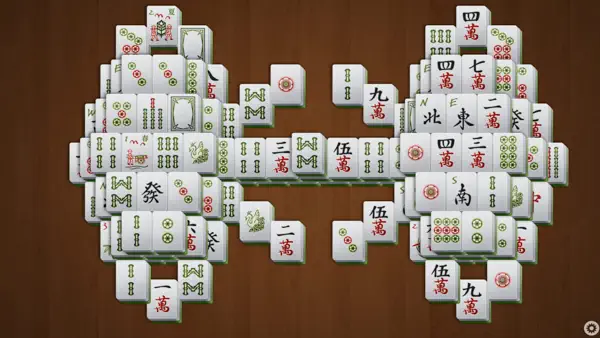
Look, it's Mahjong. We’ve been playing this on PCs since the 80s, and this version doesn't do much to justify its existence beyond portability. It’s competent enough—the tiles are legible and the touch controls don't fight you—but it lacks any sort of soul or modern flair. The variety of layouts is the only thing keeping it from being a total snooze-fest, though even those start to feel repetitive after an hour. It’s the kind of game you play while waiting for a flight because you have nothing better to do. It’s fine, but 'fine' doesn't get a high score in my book. If you're looking for innovation, keep walking; if you want a digital paperweight that occasionally lets you click tiles, here it is.
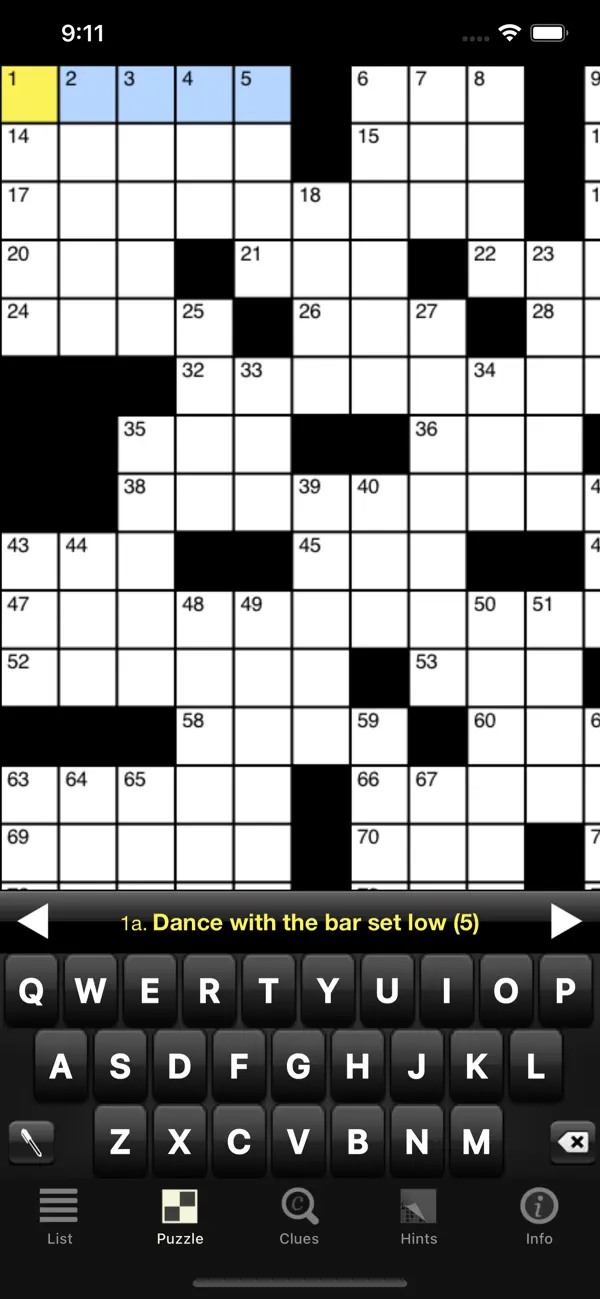
I've spent years with a pen and a newspaper, so I have a high bar for crosswords. This app manages to fit the content in, but it loses the tactile satisfaction of the real thing. The interface is utilitarian, which is better than being cluttered, but it feels sterile. The puzzle quality varies wildly depending on the source, and some of the clues are frankly nonsensical or dated. It does what it says on the tin, but I struggle to find the 'pro' in this 'classic' experience. It’s a decent way to kill time, but it won't replace a Sunday morning ritual for anyone who actually cares about the craft of puzzling. It's serviceable, but largely forgettable software.
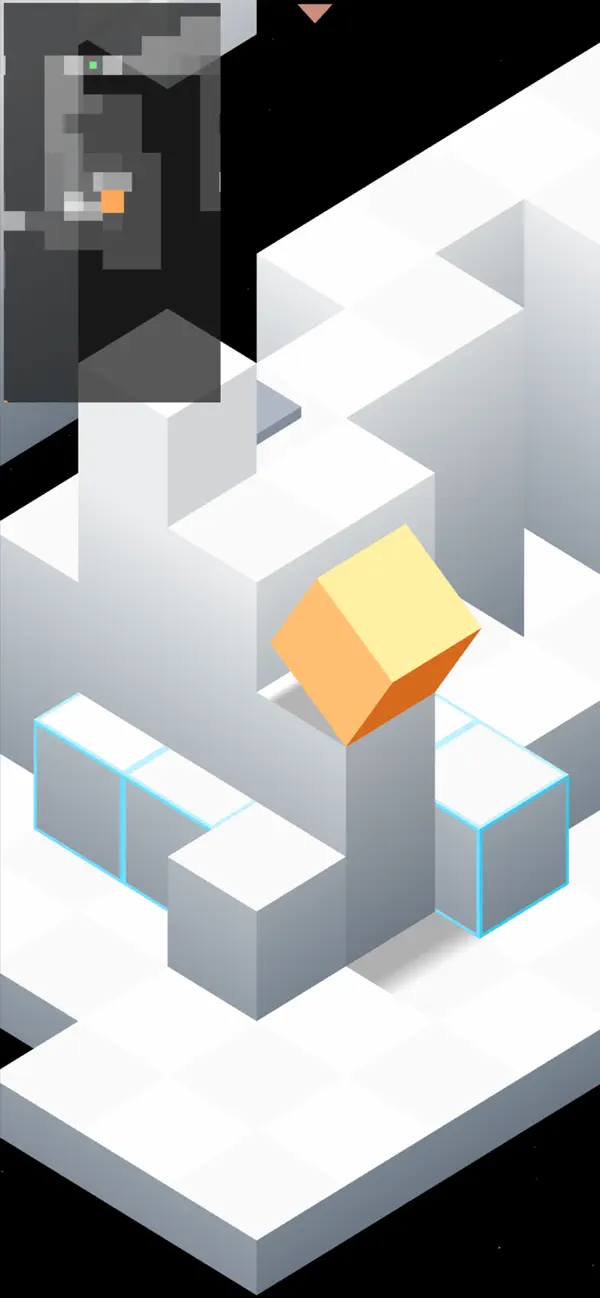
EDGE is a relic from a time when mobile games actually tried to be games rather than slot machines. Its brilliance lies in its simplicity. You're a cube. You roll. That's it. But the level design is so tight and the physics are so predictable that every failure feels like your own fault rather than a glitch in the system. The soundtrack is the real star here—a pulse-pounding electronic score that fits the 'cyber-industrial' aesthetic perfectly. My only real complaint is that the difficulty spikes can be frustrating, especially with touch controls that occasionally misinterpret a swipe. It hasn't changed much over the years, which is both its strength and its weakness. It’s a pure, unadulterated puzzle-platformer that doesn't feel the need to hold your hand.
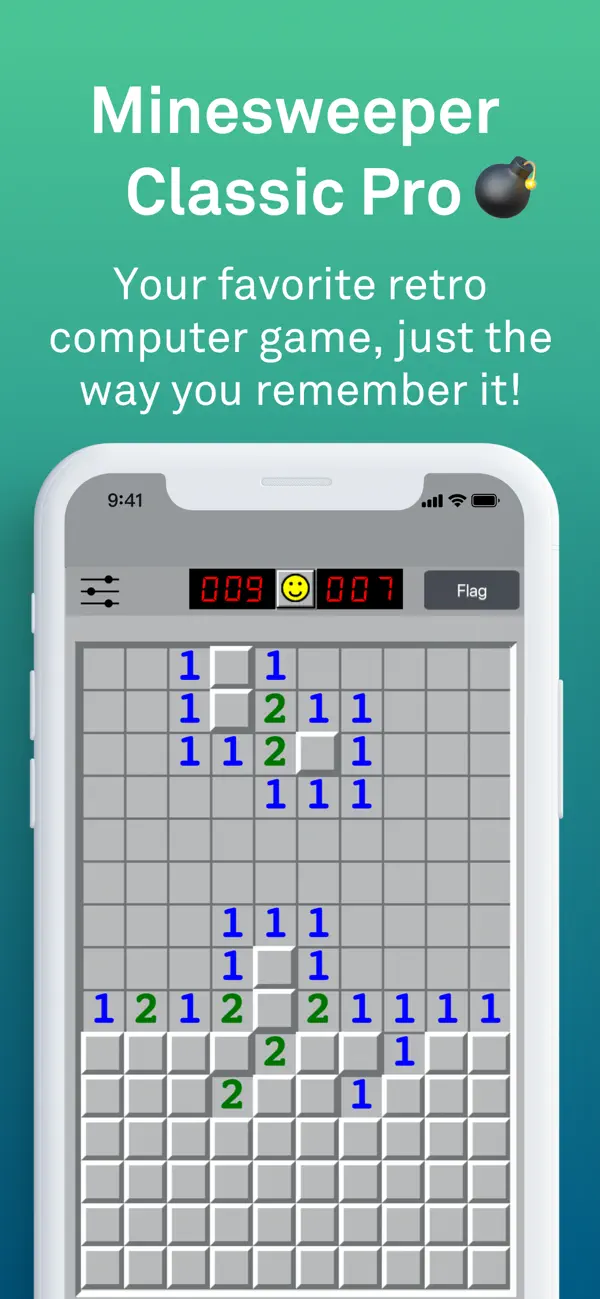
I’ve cleared thousands of Minesweeper boards in my life, and this app doesn't change anything about that experience. It’s Minesweeper. The controls are a bit fiddly on a small screen—I’ve detonated more than a few mines just by fat-fingering a square—but the logic is sound. It’s a perfect 'waiting for a bus' game. There’s no bloat, no forced ads (in this version), and no nonsense. But there’s also no reason to be excited about it. It’s a solved game that we’ve all played for thirty years. If you don't have a version of Minesweeper on your phone yet, this one is perfectly adequate. Just don't expect it to change your life.
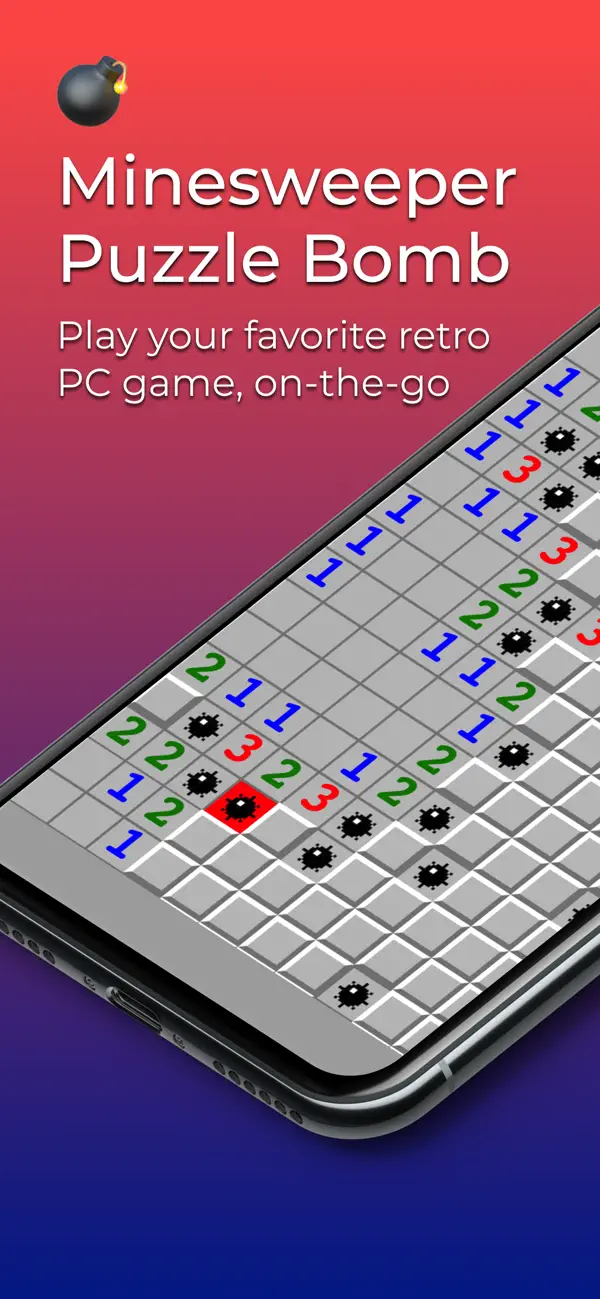
This is just Minesweeper with a fresh coat of paint, and not a particularly good one. The 'Bomb' aesthetic feels forced, and the UI is actually a bit more confusing than the standard classic version. I don't see why I would choose this over a more traditional layout. It’s fine, it works, and the logic is the same. But it feels like it’s trying too hard to be 'modern' and 'exciting' for a game that is fundamentally about staring at numbers. Stick to the classic versions; this one just feels like clutter.