Explore the best free iOS games suitable for age 18+, curated for your iPhone, iPad, and Apple TV. We've gathered the top-rated free and paid titles, along with the latest updates, to ensure you find the perfect game.
Roblox is a headache in app form. Iโve been gaming for four decades, and Iโve seen some janky software, but Roblox is the king of it. Because almost everything is user-generated, 99% of the 'experiences' are absolute garbageโlow-effort clones, buggy messes, or blatant 'pay-to-win' traps. Navigating the UI feels like trying to read a neon sign during a seizure. Itโs loud, itโs messy, and the monetization is predatory, constantly pushing Robux on kids who don't know better. However, I have to acknowledge the scale. There is an undeniable power in a platform that lets anyone build and share a game. Occasionally, you find a gemโa clever puzzle or a well-made horror experienceโbut you have to dig through mountains of trash to find it. As a social tool, it's clearly successful, but as a 'game'? It's a Wild West where the rules of good design don't apply. I find it exhausting, but I can see why the younger generation is obsessed with it. Just keep your wallet locked up.
Iโve spent 40 years playing games, and few make me as angry as Candy Crush. It isn't a game; it's a slot machine that pays out in dopamine and sugar-coated pixels. The early levels are designed to make you feel like a genius, but eventually, the game hits a wall where success is mathematically impossible without either waiting for a timer or opening your wallet. The 'match-3' mechanics are derivativeโBejeweled did this better decades ago. Candy Crush just added a layer of aggressive monetization and social pressure. Itโs the junk food of the gaming world. It has no depth, no soul, and it respects neither your time nor your intelligence. The fact that it's one of the most successful games in history is a depressing commentary on our species.
Dinsun here. Supercell knows how to build a hook, Iโll give them that. Brawl Stars is incredibly polished. The characters are distinct, the controls are airtight, and the match length is perfect for mobile. Itโs 'fun' in a way thatโs very easy to start and very hard to stop. I can see why itโs a titan of the industry. From a purely mechanical standpoint, itโs a tight, well-balanced arena shooter. However, the 'conservative' in me bristles at the treadmill. Itโs a masterpiece of monetization. The constant need to upgrade brawlers, the Battle Pass, the limited-time skins, the trophies... itโs all designed to keep you in a state of 'almost done.' Itโs exhausting. Itโs less of a game and more of a lifestyle commitment if you want to be competitive. I respect the craft, but I dislike the way it colonizes your free time. It's the best version of a kind of game I generally find problematic.
Iโm clearly not the target audience for 'The Billionaire Bachelors,' but even from a critical standpoint, Episode is barely a game. Itโs a visual novel platform where the 'gameplay' consists of choosing between a polite answer and an incredibly rude oneโunless you pay with premium currency to unlock the third, 'sensible' option. Itโs an insulting monetization model that preys on its young audience's emotional investment. The writing is universally melodramatic and often reads like it was generated by a board of executives trying to trend on TikTok. The animations are stiff, the art style is generic, and the 'choices' are often illusions. Itโs a soap opera that charges you for the remote control. Iโll stick to actual literature, thanks.
Dinsun here. This game is the poster child for everything wrong with modern mobile gaming, even though the actual gameplay loop is genius. The three-minute matches are perfectly paced, and the strategy of card counters is satisfying. But eventually, you hit the paywall. Hard. You can be the best strategist in the world, but if your opponent has Level 15 cards and youโre at Level 12, you will lose. The 'Evolution' cards and constant treadmill of new mechanics are clearly designed to drain your wallet rather than improve the game. Itโs addictive, yes, but itโs a hollow kind of fun that leaves you feeling annoyed more often than not.
Iโve been playing EA's football games since the 16-bit era, and the transition to mobile has been a heartbreaking journey into corporate greed. Technically, the game is impressive; the animations are smooth, and the controls have been simplified for touch without losing all the depth. But letโs call it what it is: a card-collecting gambling simulator with a side of football. The 'Ultimate Team' model is at its most aggressive here. To stay competitive in the higher divisions, you either need to make the game your full-time job or open your wallet every week. The power creep is intentional and exhausting. While the actual 11v11 matches can be fun, they are too often decided by whose player stats are higher rather than skill. Itโs a polished product, but as a gamer who values fair play, I find the constant pressure to spend money to be utterly distasteful.
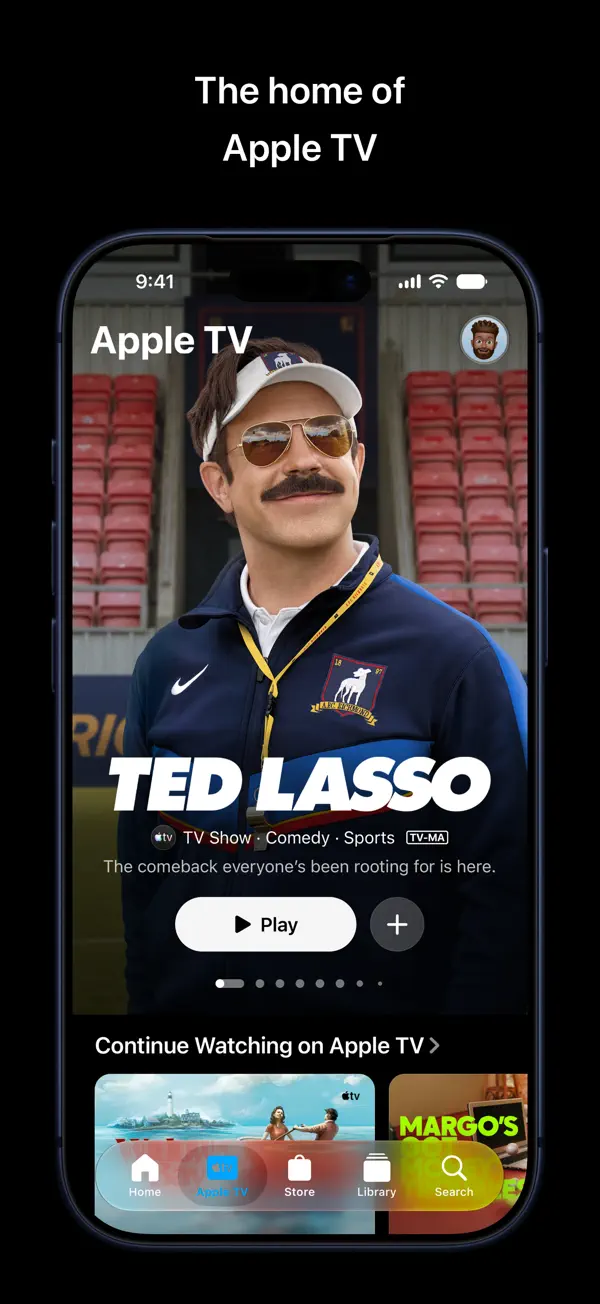
I don't know what kind of broken script pulled this into a database meant for gaming reviews. This is a streaming television application, not software with win states, mechanical gameplay loops, or input friction. Evaluating it as a piece of interactive entertainment is impossible because its design parameters are built around passive consumption. It functions beautifully as a video delivery service, but it belongs nowhere near a game collection. If you want me to critique it as an application, fine: it's clean, features excellent bitrates for 4K video playback, and has a minimalist aesthetic that works. But from a gaming standpoint? The score stays on the floor because it simply isn't a game. Let's move on to real software.
The visuals are undeniably impressive for a mobile device; I'll give them that. Seeing the players move with this much fluidity on a phone is a feat. But let's be real: this is a card collection game wearing a basketball jersey. The 'gameplay' is often secondary to the grind for better stats and higher-tier cards. Itโs the modern sports game disease. It plays well enough with a controller, but touch controls are a mess for a game this complex. If you can ignore the constant prodding to spend money, thereโs a decent sim here, but thatโs a big 'if'.
Iโll give Gameloft credit: they know how to make a game look expensive. The lighting, the car models, the way the camera shakes during a driftโit's impressive. But as someone who remembers when you bought a game and just *played* it, the mobile-first design here is exhausting. It's a game of meters and timers. You aren't just racing; you're managing fuel, collecting blueprints, and navigating a storefront that never wants you to stop spending. The 'TouchDrive' system is a gimmick that basically turns the game into an endless runner where you just swipe left or right. It removes the skill of finding a racing line. If you switch to manual, itโs better, but the physics are so arcadey it feels like the cars have no weight. Itโs fun for ten minutes at a time, but the 'pay-to-progress' wall eventually hits you like a head-on collision. It's a beautiful shell with a hollow center.
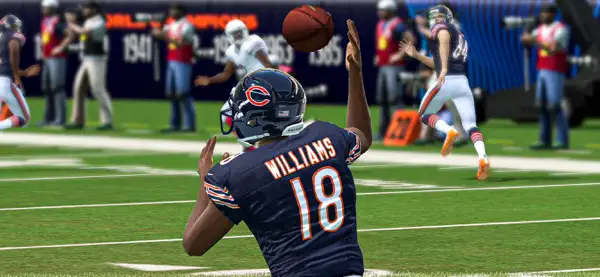
I remember when Madden was about the Xโs and Oโs. Now, itโs about the dollar signs. As Dinsun, I find the blatant push toward microtransactions offensive. The core football mechanics haven't meaningfully evolved in years; instead, they've just added more 'pack opening' animations. If you aren't prepared to open your wallet, the competitive balance is a joke. Itโs the same recycled product every year, targeting people with more money than sense. The graphics are fine for a phone, I suppose, but the soul of football is nowhere to be found in this spreadsheet-simulator.
Iโll admit, the musical concept is clever. Most of these breeding games are just about collecting stats, but here, the reward is an evolving song. Itโs a slow-burn experienceโvery conservative in its pacing. Youโll be waiting hours for eggs to hatch. The art style is... an acquired taste. They're called monsters for a reason; they're pretty hideous. But hearing the song come together is satisfying. Itโs heavily monetized, but you can progress if you have patience. Itโs a good 'check-in' game for someone my age who doesn't want to sweat over a screen for hours.
I hate to follow the crowd, but Chess.com (as this is better known) is actually good. Itโs the rare case where a popular app earns its status through features rather than marketing. The puzzle rush mode is addictive even for a cynic like me, and the lesson content is genuinely high-quality. Itโs the complete package. That said, Iโm not a fan of the subscription model. They gate the best analysis tools behind a monthly fee, which feels like a tax on being a serious player. And while the community is huge, the 'toxicity' is realโexpect a lot of abandoned games when youโre winning. Itโs an 82 because itโs the best at what it does, but it still feels like itโs reaching into my wallet a bit too often.
Minecraft is one of those rare phenomena that actually deserves its success. I remember when this was just a buggy browser app; seeing it now on a phone with almost all the features of the PC version is impressive. Itโs the ultimate time-sink. Thereโs no 'objective' unless you want one, and thatโs the beauty of it. However, playing this on a touchscreen is an exercise in frustration compared to a mouse and keyboard. The UI is constantly evolving but itโs still cluttered. The 'Marketplace' stuff is also a bit of a turn-off for an old-school player like meโtoo much corporate clutter in what used to be a pure creative space. But at its core, itโs still the same game that changed the industry.
Iโm not a 'party' guy, but I can recognize a well-designed tool when I see one. Heads Up! isn't a game for gamers; itโs a game for people who are bored at a dinner party. Itโs simple, it uses the accelerometer effectively, and the video recording feature is a clever touch for those who like to document every waking moment. However, itโs incredibly repetitive. Once youโve gone through a deck a few times, the novelty wears off. Also, the monetization is typical Ellenโeverything is a 'pack' that costs extra. It feels a bit like being nickeled and dimed for digital flashcards. Itโs fun for twenty minutes, then you realize youโre just doing charades with a $1,000 piece of technology. Itโs fine, but letโs not pretend itโs revolutionary.
I'll give credit where it's due: Plague Inc. is a masterclass in focused design. It doesn't need flashy 3D graphics to be engaging; the map and the data tickers are more than enough to build tension. It's a game of spreadsheets and timing disguised as a pandemic simulator. You start slow, infect a few people in a poor country, and then watch the world's governments scramble. Itโs satisfying in a dark, clinical way. My only gripe is that once you figure out the 'meta'โstaying low-profile until everyone is infectedโthe challenge dips slightly until you hit the Mega-Brutal difficulty. But for a mobile game, the depth is impressive. Itโs a rare title that respects the player's intelligence without trying to nickel-and-diming them for 'energy' or 'gems.' Itโs a solid, well-built strategy game, even if it feels a bit too relevant these days.
Dinsun here. Iโve seen plenty of digital board games come and go, and Marmaladeโs version of Monopoly is technically competent. The 3D city is a nice touch, and the 'Quick Mode' is a necessary concession for those who donโt have four hours to watch their friendships dissolve. However, at its core, it is still Monopoly. No amount of fancy animations can hide the fact that the winner is often decided by the first few trips around the board. The online matchmaking is hit-or-miss; youโll frequently deal with quitters the moment they lose a utility. Itโs a clean app, but it lacks the soul of sitting around a physical table, and the AI is either brain-dead or suspiciously lucky. If you're a purist, itโs fine, but don't expect a revolution.
Dinsun here. Ndemic Creations has done it again. While Plague Inc. was about destruction, Rebel Inc. is about the far more difficult task of reconstruction. It is a cynical, realistic, and deeply engaging strategy game. You aren't just moving soldiers around; you're deciding whether to spend your limited budget on clean water for a village or on more troops to protect them. Every choice has a consequence, often an unforeseen one like runaway inflation or rampant corruption. Itโs a tough game. You will fail often, usually because you ignored a small problem that snowballed into a revolution. My only real complaint is that some of the later scenarios feel a bit reliant on luck with how the insurgents spawn, but that might just be the nature of the beast. For a mobile game, the level of intellectual depth here is staggering. Itโs one of the few titles I keep permanently installed.
Dinsun here. Iron Marines is a solid effort. It captures the essence of StarCraft-lite and fits it into a mobile format without losing all the complexity. I appreciate that itโs a premium titleโpaying upfront to avoid a deluge of ads is how gaming should be. The mission design is varied enough to keep me engaged, though the difficulty spikes can feel a bit arbitrary. Itโs polished, balanced, and works offline, which is a blessing in today's always-on landscape. I find the art style a bit too bubbly for a war game, but I can't deny the quality.
Dinsun here. I donโt hand out scores like this often, but Stardew Valley is the exception to almost every rule I have. It is a masterclass in game design, respecting the player's time while offering a staggering amount of depth. Itโs a game about systemsโfarming, mining, socializing, and fishingโall woven together so tightly that you never feel like you're wasting time. The mobile port is exceptionally well-handled. The auto-save feature is a godsend for a portable experience, and the touch-to-move controls work better than I anticipated. It's a premium experience without a single microtransaction in sight. Itโs quiet, itโs thoughtful, and itโs one of the few games that actually makes me feel like Iโve accomplished something after a long session. If you haven't played it, you're missing out on the gold standard of the genre.
Dinsun here. Iโve seen a thousand tower defense games come and go, most of them greedy cash-grabs. Bloons TD 6 is... different. It's still a bit too colorful for my taste, and the screen becomes an unreadable mess of particle effects in the late rounds, but the underlying math is solid. The depth in the upgrade pathsโthree separate lanes for every towerโactually requires you to use your brain. It's a 'buy-to-play' game that mostly respects your time, though the hero system and some of the microtransactions lean a bit too hard into modern mobile tropes for a traditionalist like me. Itโs the best of its kind on the platform, but the visual clutter and occasional difficulty spikes keep it from being a masterpiece.
Ironhide knows how to make a Tower Defense game, I'll give them that. The art style is still the best in the genreโcharismatic, clean, and full of life. Playing as the villain is a nice change of pace, and the level design is as tight as ever. It's a solid strategy game that requires actual thought on the higher difficulties, which I appreciate in an era of 'auto-play' mobile junk. However, the monetization has become an eyesore. Locking towers behind paywalls in a strategy game is a cardinal sin. In the old days, you'd earn your arsenal; now, you reach for your wallet. Itโs still a 'great' game, but itโs held back from being 'classic' by its own desire to nickel and dime the player. Itโs a shame to see such a prestige series go down this path.
I appreciate efficiency, and Mini Metro is efficiency distilled into an app. It starts out so peacefulโjust three stations and a single lineโbut within ten minutes, you're frantically re-routing a tunnel to save a station from overcrowding. It captures the essence of a management sim without the bloating menus and sub-menus that ruin the genre on mobile. The visual language is perfect; it tells you everything you need to know through simple geometric shapes. Itโs a 'hard' game in the sense that failure is inevitable. Youโre just seeing how long you can last. That might annoy some people who want to 'win,' but for a conservative gamer like me, the clarity of the challenge is refreshing. Thereโs no fluff, no microtransactions, just a pure test of your ability to plan and adapt. The sound design is procedural and evolves with your map, which is a brilliant touch. Itโs one of the few mobile games Iโd call essential.
Iโve spent hundreds of hours in Terraria on PC, so I was skeptical of the mobile port. It took them a while, but they finally got it right. This is one of the few games that actually feels 'complete.' There is so much depth here that it puts most modern AAA titles to shame. The combat is tight, the boss fights are genuinely challenging, and the sense of progression is masterfully handled. My only real gripe is the controlsโeven with the redesign, a touch screen will never be as precise as a mouse and keyboard for a game this complex. Building can be a bit of a headache. But if you can get past that, or better yet, use a controller, this is arguably the best value you can find on the App Store. Itโs a real game for real gamers, no micro-transaction nonsense in sight.
I don't say this often: this is a game actually designed by people who like games. Balatro takes the familiar rules of pokerโsomething Iโve played at real tables for twenty yearsโand twists them into a math-driven roguelike that is dangerously addictive. It doesn't use 'energy' to stop you from playing; it doesn't have a battle pass. It just has depth. The genius is in the Jokers. Every run feels like a fresh puzzle to solve. One minute you're building a deck around flushes, the next you're banking everything on a single high card. Itโs tight, itโs polished, and the CRT-style aesthetic actually feels purposeful rather than just lazy 'retro' bait. It's the most innovative card game since 'Slay the Spire', and it actually treats the player like an adult. This is what mobile gaming should be.
The original PvZ was a masterpiece of game designโsimple, deep, and fair. PvZ 2 is... well, itโs an EA product. The core gameplay is still fantastic; the new plants are clever and the world themes are charming. Itโs undeniably fun to play. However, the move to free-to-play has tainted the experience. Constant pop-ups for 'premium' plants and the grind required to level up your defenses feel like theyโre designed to wear you down until you reach for your credit card. Iโm a 40-year-old man; I don't have time for 'energy' meters or 'arena' rankings. I just want to play a level and feel like I won because of my strategy, not because I bought a power-up. Itโs a shame, because the art and music are still top-tier. It's a great game that constantly tries to stop you from enjoying it.
I usually scoff at 'casual' games, but Fruit Ninja is an exception. Itโs the purest expression of what a touchscreen can do. Thereโs a visceral satisfaction to the slicing that hasn't been matched in fifteen years. Itโs simple, itโs honest, and it doesn't try to be a console game. Itโs the Arcade mode that keeps me coming backโbalancing the combos with the bombs is a legitimate test of reflex and restraint. Yes, itโs a bit shallow, and the modern versions have added too much 'fluff' and currency, but the core gameplay loop is undeniable. Itโs one of the few mobile games that I actually consider a classic. Itโs not deep, but itโs perfect at what it does.
Iโm not a 'party' guy, but I can recognize a well-designed tool when I see one. Heads Up! isn't a game for gamers; itโs a game for people who are bored at a dinner party. Itโs simple, it uses the accelerometer effectively, and the video recording feature is a clever touch for those who like to document every waking moment. However, itโs incredibly repetitive. Once youโve gone through a deck a few times, the novelty wears off. Also, the monetization is typical Ellenโeverything is a 'pack' that costs extra. It feels a bit like being nickeled and dimed for digital flashcards. Itโs fun for twenty minutes, then you realize youโre just doing charades with a $1,000 piece of technology. Itโs fine, but letโs not pretend itโs revolutionary.
Roblox is a headache in app form. Iโve been gaming for four decades, and Iโve seen some janky software, but Roblox is the king of it. Because almost everything is user-generated, 99% of the 'experiences' are absolute garbageโlow-effort clones, buggy messes, or blatant 'pay-to-win' traps. Navigating the UI feels like trying to read a neon sign during a seizure. Itโs loud, itโs messy, and the monetization is predatory, constantly pushing Robux on kids who don't know better. However, I have to acknowledge the scale. There is an undeniable power in a platform that lets anyone build and share a game. Occasionally, you find a gemโa clever puzzle or a well-made horror experienceโbut you have to dig through mountains of trash to find it. As a social tool, it's clearly successful, but as a 'game'? It's a Wild West where the rules of good design don't apply. I find it exhausting, but I can see why the younger generation is obsessed with it. Just keep your wallet locked up.
I canโt stand these 'pay-to-wait' simulators. Township is the poster child for modern mobile design: start with quick rewards, then slowly turn the screws until every meaningful action takes twelve hours unless you open your wallet. Itโs not a city builder; itโs an accounting software disguised as a cartoon. The 'mini-games' are blatant bait-and-switch tactics that look nothing like the ads you see. Sure, the graphics are polished and the social features work well enough, but where is the challenge? Where is the actual strategy? You just click a button and wait. Itโs a Skinner box for adults. If you enjoy being manipulated by timers, have at it. Iโd rather play a real SimCity game from twenty years ago that actually required a brain.
Iโve spent 40 years playing games, and few make me as angry as Candy Crush. It isn't a game; it's a slot machine that pays out in dopamine and sugar-coated pixels. The early levels are designed to make you feel like a genius, but eventually, the game hits a wall where success is mathematically impossible without either waiting for a timer or opening your wallet. The 'match-3' mechanics are derivativeโBejeweled did this better decades ago. Candy Crush just added a layer of aggressive monetization and social pressure. Itโs the junk food of the gaming world. It has no depth, no soul, and it respects neither your time nor your intelligence. The fact that it's one of the most successful games in history is a depressing commentary on our species.
I don't get the 'idle' craze. You're literally playing a game that plays itself. This specific version is a blatant clone of the original web game, and it lacks the charm and weirdness that made the original interesting. The 'gameplay' consists of developing carpal tunnel syndrome and watching numbers get slightly larger. Thereโs no strategy, no skill, just a feedback loop designed to trigger dopamine in the most cynical way possible. The ads are constant and annoying. If you really need to see numbers go up, check your bank account; it's more rewarding and has better graphics. Avoid this mindless drivel.
I hate to follow the crowd, but Chess.com (as this is better known) is actually good. Itโs the rare case where a popular app earns its status through features rather than marketing. The puzzle rush mode is addictive even for a cynic like me, and the lesson content is genuinely high-quality. Itโs the complete package. That said, Iโm not a fan of the subscription model. They gate the best analysis tools behind a monthly fee, which feels like a tax on being a serious player. And while the community is huge, the 'toxicity' is realโexpect a lot of abandoned games when youโre winning. Itโs an 82 because itโs the best at what it does, but it still feels like itโs reaching into my wallet a bit too often.

I rarely hand out high marks, and I approached Magic Rampage with some suspicion. Free mobile games that have survived for ten years usually do it by becoming something worse than what they started as. This one surprised me. The core of the game, a 2D action platformer with a class-based RPG build, is still tight, still readable and still fun, and that is not something I say lightly about a mobile title. The moment-to-moment combat is the reason to play. Jumping, dodging and swinging weapons across layered stages has the snappy, slightly punishing rhythm of the 16-bit games the developer is clearly paying homage to. Headshots matter, enemies telegraph reasonably well, and bosses ask for a bit of pattern recognition rather than just bigger stat sheets. Controller and keyboard support is a real plus: touch controls are fine, but a gamepad makes this feel like a proper platformer. What gives it longevity is the build system. Classes, weapons, armour, runes and the newer class system encourage experimentation, and the weekly dungeons, Survival mode and competitive runs give you reasons to keep tuning your character after the campaign. That the campaign can be played offline, without ads, is something I wish more studios still did. Reviewers on the store repeatedly say you do not need to spend money to progress, and my experience matched that, although the shop's Gold chests, season points and special offers are clearly there to nudge you. Now the criticisms, because I have them. The story is thin and mostly an excuse to move from dungeon to dungeon. The retro art is charming but visibly dated, and the interface can leave players confused: some players still complain that item stats, like staff damage, are not explained. Account recovery has also been a sore point for some users. And while the game is generous, the live-ops treadmill of weekly content, season points and chests is a reminder that it has grown beyond a simple pick-up-and-play indie. Still, as a free download it is easy to recommend within its genre. I would not call it a masterpiece, but it is a well-made, well-supported game with more depth than its price tag suggests. If you like platformers and loot-driven character building, this is worth your time.
Dinsun here. Supercell knows how to build a hook, Iโll give them that. Brawl Stars is incredibly polished. The characters are distinct, the controls are airtight, and the match length is perfect for mobile. Itโs 'fun' in a way thatโs very easy to start and very hard to stop. I can see why itโs a titan of the industry. From a purely mechanical standpoint, itโs a tight, well-balanced arena shooter. However, the 'conservative' in me bristles at the treadmill. Itโs a masterpiece of monetization. The constant need to upgrade brawlers, the Battle Pass, the limited-time skins, the trophies... itโs all designed to keep you in a state of 'almost done.' Itโs exhausting. Itโs less of a game and more of a lifestyle commitment if you want to be competitive. I respect the craft, but I dislike the way it colonizes your free time. It's the best version of a kind of game I generally find problematic.
Iโm clearly not the target audience for 'The Billionaire Bachelors,' but even from a critical standpoint, Episode is barely a game. Itโs a visual novel platform where the 'gameplay' consists of choosing between a polite answer and an incredibly rude oneโunless you pay with premium currency to unlock the third, 'sensible' option. Itโs an insulting monetization model that preys on its young audience's emotional investment. The writing is universally melodramatic and often reads like it was generated by a board of executives trying to trend on TikTok. The animations are stiff, the art style is generic, and the 'choices' are often illusions. Itโs a soap opera that charges you for the remote control. Iโll stick to actual literature, thanks.
Crossy Road is what happens when you take a classic formula and don't overcomplicate it. It's Frogger, but infinite. The voxel art is iconic now for a reasonโitโs clean, readable, and full of personality. I appreciate that the game doesn't force you to pay for characters; you can earn them just by playing, which is rare in this day and age. However, it's still just a high-score chaser. Thereโs no depth beyond 'don't get hit by the truck.' After the 500th road, the novelty of the different characters wears off. It's a solid piece of software, but itโs a snack, not a meal. I respect the craftsmanship, but I can't say I'm addicted to it.