Explore the best free iOS games suitable for age 9+, curated for your iPhone, iPad, and Apple TV. We've gathered the top-rated free and paid titles, along with the latest updates, to ensure you find the perfect game.
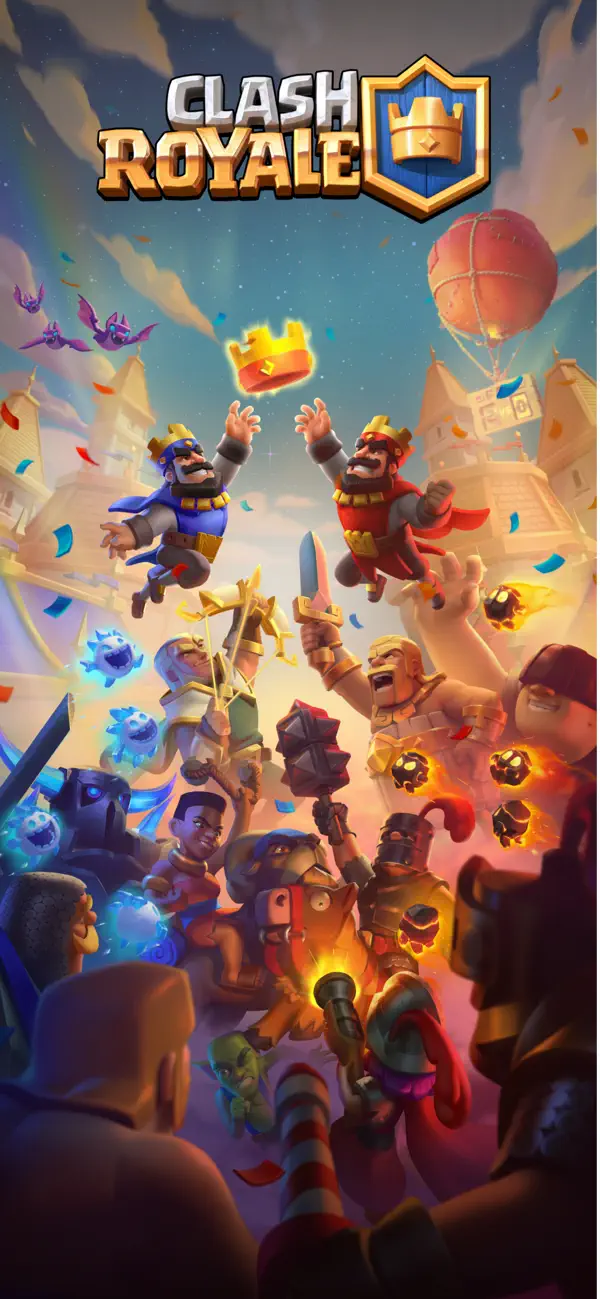
Dinsun here. This game is the poster child for everything wrong with modern mobile gaming, even though the actual gameplay loop is genius. The three-minute matches are perfectly paced, and the strategy of card counters is satisfying. But eventually, you hit the paywall. Hard. You can be the best strategist in the world, but if your opponent has Level 15 cards and youโre at Level 12, you will lose. The 'Evolution' cards and constant treadmill of new mechanics are clearly designed to drain your wallet rather than improve the game. Itโs addictive, yes, but itโs a hollow kind of fun that leaves you feeling annoyed more often than not.
Iโve been playing EA's football games since the 16-bit era, and the transition to mobile has been a heartbreaking journey into corporate greed. Technically, the game is impressive; the animations are smooth, and the controls have been simplified for touch without losing all the depth. But letโs call it what it is: a card-collecting gambling simulator with a side of football. The 'Ultimate Team' model is at its most aggressive here. To stay competitive in the higher divisions, you either need to make the game your full-time job or open your wallet every week. The power creep is intentional and exhausting. While the actual 11v11 matches can be fun, they are too often decided by whose player stats are higher rather than skill. Itโs a polished product, but as a gamer who values fair play, I find the constant pressure to spend money to be utterly distasteful.
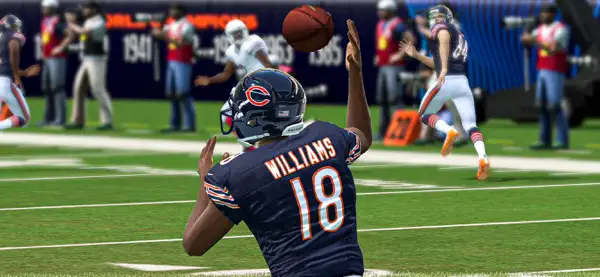
I remember when Madden was about the Xโs and Oโs. Now, itโs about the dollar signs. As Dinsun, I find the blatant push toward microtransactions offensive. The core football mechanics haven't meaningfully evolved in years; instead, they've just added more 'pack opening' animations. If you aren't prepared to open your wallet, the competitive balance is a joke. Itโs the same recycled product every year, targeting people with more money than sense. The graphics are fine for a phone, I suppose, but the soul of football is nowhere to be found in this spreadsheet-simulator.
Iโll admit, the musical concept is clever. Most of these breeding games are just about collecting stats, but here, the reward is an evolving song. Itโs a slow-burn experienceโvery conservative in its pacing. Youโll be waiting hours for eggs to hatch. The art style is... an acquired taste. They're called monsters for a reason; they're pretty hideous. But hearing the song come together is satisfying. Itโs heavily monetized, but you can progress if you have patience. Itโs a good 'check-in' game for someone my age who doesn't want to sweat over a screen for hours.
I hate to follow the crowd, but Chess.com (as this is better known) is actually good. Itโs the rare case where a popular app earns its status through features rather than marketing. The puzzle rush mode is addictive even for a cynic like me, and the lesson content is genuinely high-quality. Itโs the complete package. That said, Iโm not a fan of the subscription model. They gate the best analysis tools behind a monthly fee, which feels like a tax on being a serious player. And while the community is huge, the 'toxicity' is realโexpect a lot of abandoned games when youโre winning. Itโs an 82 because itโs the best at what it does, but it still feels like itโs reaching into my wallet a bit too often.
Angry Birds 2 is technically superior to the first in every wayโthe animations are fluid, the backgrounds are lush, and the environmental destruction is satisfying. But at its heart, itโs a machine designed to drain your wallet. The introduction of 'lives' and a 'card' system removes the strategic purity of having a set lineup for a level. When I play a puzzle game, I want to solve it through skill, not by waiting 30 minutes for a life to refill or buying a 'spell' to clear a stage I can't beat. Itโs a shame because the core physics gameplay is still the best in the business. Itโs a great game ruined by modern mobile monetization trends. Iโd rather pay $10 upfront than be nagged every five minutes.
The presentation is undeniably impressive. The way these cards look on a modern screenโespecially those immersive onesโis the closest thing I've felt to that 1999 playground magic in years. As a collector's app, it's top-tier. As a card game, however, it's a bit of a hollow shell. They've stripped away too many mechanics to fit the mobile 'quick session' mold, resulting in a game that feels like itโs on autopilot half the time. Then there's the monetization. Opening two packs a day for free is a nice carrot, but the progress wall for serious players is tall and made of money. Itโs a very pretty toy, but for someone who grew up with the strategic complexity of the physical game, it feels like a simplified, high-gloss shadow of its former self. Good for a nostalgia hit, but lacks the legs for a serious competitive scene.
Crossy Road is what happens when you take a classic formula and don't overcomplicate it. It's Frogger, but infinite. The voxel art is iconic now for a reasonโitโs clean, readable, and full of personality. I appreciate that the game doesn't force you to pay for characters; you can earn them just by playing, which is rare in this day and age. However, it's still just a high-score chaser. Thereโs no depth beyond 'don't get hit by the truck.' After the 500th road, the novelty of the different characters wears off. It's a solid piece of software, but itโs a snack, not a meal. I respect the craftsmanship, but I can't say I'm addicted to it.
Dinsun here. Uno is a classic, and this app captures that 'ruin your friendships' energy perfectly. The 2v2 mode is actually a great addition that adds a layer of strategy you don't get in the physical game. The visuals are slick, and finding a match takes seconds. However, I have to knock off points for the sheer amount of 'stuff' everywhere. Between the battle passes, the coins, the energy systems, and the constant pop-ups for 'limited time offers,' itโs exhausting. Why does a card game need a level-up system and loot boxes? If you can ignore the storefront and just focus on the cards, itโs the best digital Uno out there. But man, I miss the days when a game was just a game.
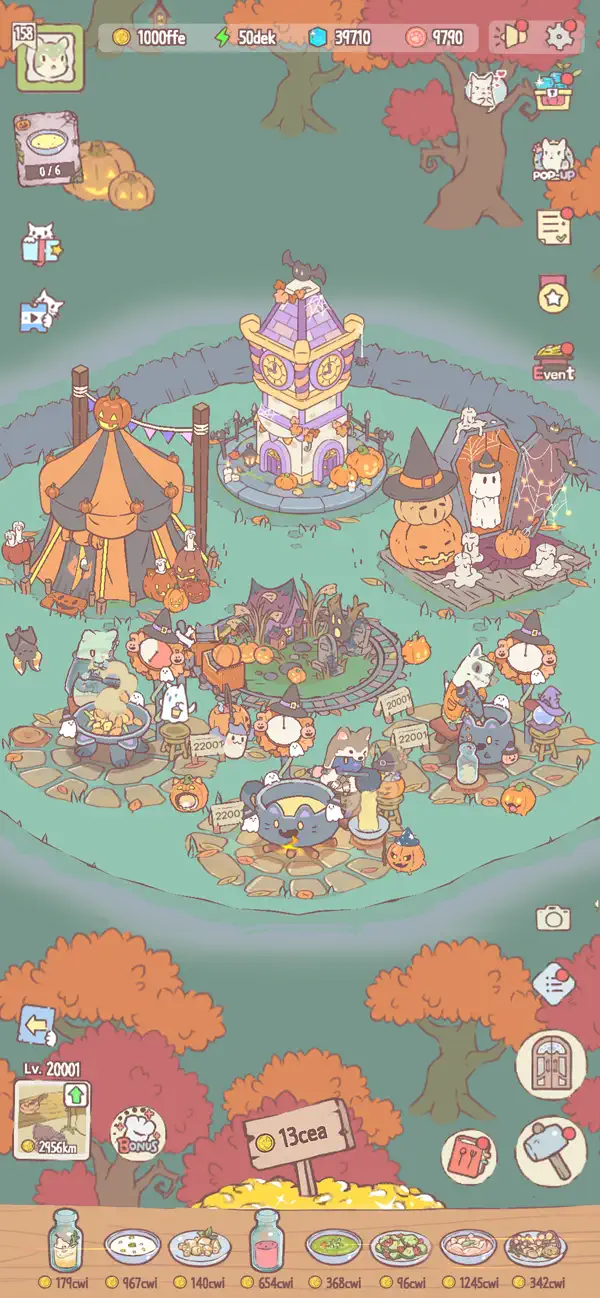
Iโm a 40-year-old man, and I spent twenty minutes yesterday putting a tiny hat on a virtual Ragdoll cat. Is it 'gaming'? Hardly. It's a digital aquarium with cats. The art is genuinely lovelyโit has this soft, watercolor aesthetic that is rare in the mobile market. The sound of the rain and the soup bubbling is quite relaxing after a long day of real work. But like all idle games, the 'gameplay' is just clicking circles to upgrade things so you can click more circles. Eventually, the prices for upgrades become so astronomical that youโre forced to either wait for days or watch a dozen ads to get a boost. Itโs charming for a week, but after that, it's just another icon on your phone asking for attention.
Dinsun here. Letโs not beat around the bush: Words With Friends is Scrabble. The core game design is decades old and practically flawless. Putting letters on a board to score points against a friend is a timeless, intellectual exercise that works beautifully on a smartphone. The asynchronous play is perfect for busy adults. However, rating the app is a different story than rating the board game. Zynga has ruined the user experience. The sheer volume of advertisements, pop-ups, 'power-ups' that border on cheating, and aggressive monetization tactics is obnoxious. Every time I open the app, I have to click through three screens of 'events' just to see my board. Itโs a 64 because the core gameplay is indestructible, but the wrapper it sits in is a masterclass in modern mobile bloatware. Play it, but be prepared to be annoyed.
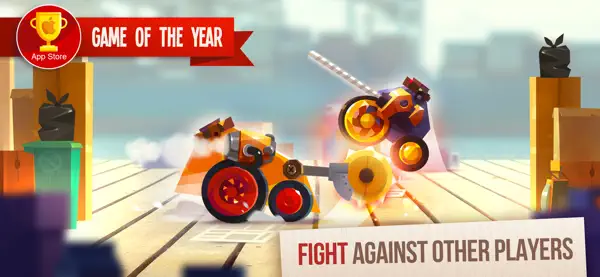
The engineering phase of C.A.T.S. is genuinely compelling. Trying to balance the center of gravity, weapon placement, and wheel traction to counter the current meta is a fun intellectual exercise. ZeptoLab nailed the physical feeling of these janky scrap-bots colliding. However, the joy of building is completely undermined by the fact that you have zero control during the actual fights. More egregiously, the progression system is a masterclass in frustration. You will hit a wall where your engineering skills are irrelevant because the opponent simply has higher-level parts obtained from paid loot boxes. The 'championship' loop demands an insane amount of grinding or open wallets to progress. Itโs an auto-battler where the 'auto' part exposes the harsh reality of its monetization scheme. Fun for a weekend, exhausting for a month.
Minecraft is one of those rare phenomena that actually deserves its success. I remember when this was just a buggy browser app; seeing it now on a phone with almost all the features of the PC version is impressive. Itโs the ultimate time-sink. Thereโs no 'objective' unless you want one, and thatโs the beauty of it. However, playing this on a touchscreen is an exercise in frustration compared to a mouse and keyboard. The UI is constantly evolving but itโs still cluttered. The 'Marketplace' stuff is also a bit of a turn-off for an old-school player like meโtoo much corporate clutter in what used to be a pure creative space. But at its core, itโs still the same game that changed the industry.
I'll give credit where it's due: Plague Inc. is a masterclass in focused design. It doesn't need flashy 3D graphics to be engaging; the map and the data tickers are more than enough to build tension. It's a game of spreadsheets and timing disguised as a pandemic simulator. You start slow, infect a few people in a poor country, and then watch the world's governments scramble. Itโs satisfying in a dark, clinical way. My only gripe is that once you figure out the 'meta'โstaying low-profile until everyone is infectedโthe challenge dips slightly until you hit the Mega-Brutal difficulty. But for a mobile game, the depth is impressive. Itโs a rare title that respects the player's intelligence without trying to nickel-and-diming them for 'energy' or 'gems.' Itโs a solid, well-built strategy game, even if it feels a bit too relevant these days.
Dinsun here. Iโve seen plenty of digital board games come and go, and Marmaladeโs version of Monopoly is technically competent. The 3D city is a nice touch, and the 'Quick Mode' is a necessary concession for those who donโt have four hours to watch their friendships dissolve. However, at its core, it is still Monopoly. No amount of fancy animations can hide the fact that the winner is often decided by the first few trips around the board. The online matchmaking is hit-or-miss; youโll frequently deal with quitters the moment they lose a utility. Itโs a clean app, but it lacks the soul of sitting around a physical table, and the AI is either brain-dead or suspiciously lucky. If you're a purist, itโs fine, but don't expect a revolution.
Dinsun here. Iron Marines is a solid effort. It captures the essence of StarCraft-lite and fits it into a mobile format without losing all the complexity. I appreciate that itโs a premium titleโpaying upfront to avoid a deluge of ads is how gaming should be. The mission design is varied enough to keep me engaged, though the difficulty spikes can feel a bit arbitrary. Itโs polished, balanced, and works offline, which is a blessing in today's always-on landscape. I find the art style a bit too bubbly for a war game, but I can't deny the quality.
Dinsun here. Iโve seen a thousand tower defense games come and go, most of them greedy cash-grabs. Bloons TD 6 is... different. It's still a bit too colorful for my taste, and the screen becomes an unreadable mess of particle effects in the late rounds, but the underlying math is solid. The depth in the upgrade pathsโthree separate lanes for every towerโactually requires you to use your brain. It's a 'buy-to-play' game that mostly respects your time, though the hero system and some of the microtransactions lean a bit too hard into modern mobile tropes for a traditionalist like me. Itโs the best of its kind on the platform, but the visual clutter and occasional difficulty spikes keep it from being a masterpiece.
Ironhide knows how to make a Tower Defense game, I'll give them that. The art style is still the best in the genreโcharismatic, clean, and full of life. Playing as the villain is a nice change of pace, and the level design is as tight as ever. It's a solid strategy game that requires actual thought on the higher difficulties, which I appreciate in an era of 'auto-play' mobile junk. However, the monetization has become an eyesore. Locking towers behind paywalls in a strategy game is a cardinal sin. In the old days, you'd earn your arsenal; now, you reach for your wallet. Itโs still a 'great' game, but itโs held back from being 'classic' by its own desire to nickel and dime the player. Itโs a shame to see such a prestige series go down this path.
I appreciate efficiency, and Mini Metro is efficiency distilled into an app. It starts out so peacefulโjust three stations and a single lineโbut within ten minutes, you're frantically re-routing a tunnel to save a station from overcrowding. It captures the essence of a management sim without the bloating menus and sub-menus that ruin the genre on mobile. The visual language is perfect; it tells you everything you need to know through simple geometric shapes. Itโs a 'hard' game in the sense that failure is inevitable. Youโre just seeing how long you can last. That might annoy some people who want to 'win,' but for a conservative gamer like me, the clarity of the challenge is refreshing. Thereโs no fluff, no microtransactions, just a pure test of your ability to plan and adapt. The sound design is procedural and evolves with your map, which is a brilliant touch. Itโs one of the few mobile games Iโd call essential.
Solitaire is the ultimate low-effort time-waster, and Mobilityware has perfected the delivery system. Itโs smooth, itโs readable, and it has enough 'Daily Challenges' to trick your brain into thinking youโre achieving something. However, the sheer amount of ad-clutter in the free version is nauseating. Itโs hard to stay focused on a 'relaxing' game when youโre being screamed at to download some kingdom-builder every three minutes. If you pay to remove the ads, itโs a solid 7, but as it stands, itโs a decent game buried under a pile of marketing garbage. It does the job, but it feels like a corporate product rather than a labor of love.
Dinsun here. Sometimes you just want to sit down and watch something pretty. Frost isn't a game in the sense that you're 'winning' or 'losing' in any stressful way. You're just nudging light. The particle physics are beautifulโwatching them swarm and flow like a school of fish is genuinely hypnotic. Itโs the kind of game you play to decompress after a long day. That said, if you're looking for a challenge, you won't find much here. The puzzles are fairly simple, and the lack of any real 'fail' state might bore some people. It's a conservative design that knows exactly what it wants to be: a calm, beautiful interaction. Itโs a bit of a one-trick pony, but itโs a very nice trick.
Ndemic is trying to pivot from destruction to construction, but the 'Plague Inc.' DNA is visible in ways that don't always help. As Dinsun, I appreciate a strategy game that doesn't treat me like a toddler, and After Inc. has some genuinely tough moral dilemmas. However, the UI feels recycled, and the 'rebuilding' loop lacks the visceral satisfaction of watching a red cloud sweep across a map. Itโs a lot of menu management and waiting for timers to tick down. The simulation depth is there, but it feels clinical. I wanted more personality from my survivors, more grit. Instead, it feels like Iโm managing a spreadsheet with a post-apocalyptic skin. Itโs better than the average mobile trash, certainly, but it feels like a safe sequel/spin-off rather than a bold new direction. Itโs conservative game designโironic for a game about the end of the world.
Kingdom Rush is one of the few mobile series that still respects traditional game design over predatory microtransactions. Genesis doesn't reinvent the wheelโyou're still placing chokepoints, timing spell drops, and managing choke lanes. But the dual-hero system carried over and expanded from Alliance adds real tactical flexibility. My only real complaint is that Ironhide plays it a bit too safe with formulaic stage structures. If you've played the last three entries, you know exactly what to expect. Still, tight map balancing, full offline play, and clean execution make this worth a pickup for strategy fans.
This is a rare treasure. In an era of procedurally generated nonsense, Hidden Folks is clearly made with love. The hand-drawn art is incredible, and the interactability of the environments is genuinely surprising. What I love most is the sound designโall mouth-made noises that give the game a quirky, human soul. Itโs a slow-paced game for people who like to look closely. Itโs not trying to be anything other than a beautiful, interactive 'Where's Waldo.' Itโs simple, itโs honest, and itโs brilliant. I have almost nothing bad to say about it, which is saying something for me.
I usually scoff at 'casual' games, but Fruit Ninja is an exception. Itโs the purest expression of what a touchscreen can do. Thereโs a visceral satisfaction to the slicing that hasn't been matched in fifteen years. Itโs simple, itโs honest, and it doesn't try to be a console game. Itโs the Arcade mode that keeps me coming backโbalancing the combos with the bombs is a legitimate test of reflex and restraint. Yes, itโs a bit shallow, and the modern versions have added too much 'fluff' and currency, but the core gameplay loop is undeniable. Itโs one of the few mobile games that I actually consider a classic. Itโs not deep, but itโs perfect at what it does.
I expected a cheap Cooking Mama clone, but I found a game with actual character. The customers are weird and crypticโhalf the challenge is deciphering what 'a pizza like a sunrise' even means. The art style is sketchy and warm, which fits the vibe perfectly. It gets repetitive, and the late-game orders for 'everything pizzas' are a chore, but the story beats and the rival shop keep you engaged. Itโs one of the few simulation games on the store that doesn't feel like it's trying to rob you.
I don't get the 'idle' craze. You're literally playing a game that plays itself. This specific version is a blatant clone of the original web game, and it lacks the charm and weirdness that made the original interesting. The 'gameplay' consists of developing carpal tunnel syndrome and watching numbers get slightly larger. Thereโs no strategy, no skill, just a feedback loop designed to trigger dopamine in the most cynical way possible. The ads are constant and annoying. If you really need to see numbers go up, check your bank account; it's more rewarding and has better graphics. Avoid this mindless drivel.
I hate to follow the crowd, but Chess.com (as this is better known) is actually good. Itโs the rare case where a popular app earns its status through features rather than marketing. The puzzle rush mode is addictive even for a cynic like me, and the lesson content is genuinely high-quality. Itโs the complete package. That said, Iโm not a fan of the subscription model. They gate the best analysis tools behind a monthly fee, which feels like a tax on being a serious player. And while the community is huge, the 'toxicity' is realโexpect a lot of abandoned games when youโre winning. Itโs an 82 because itโs the best at what it does, but it still feels like itโs reaching into my wallet a bit too often.
Crossy Road is what happens when you take a classic formula and don't overcomplicate it. It's Frogger, but infinite. The voxel art is iconic now for a reasonโitโs clean, readable, and full of personality. I appreciate that the game doesn't force you to pay for characters; you can earn them just by playing, which is rare in this day and age. However, it's still just a high-score chaser. Thereโs no depth beyond 'don't get hit by the truck.' After the 500th road, the novelty of the different characters wears off. It's a solid piece of software, but itโs a snack, not a meal. I respect the craftsmanship, but I can't say I'm addicted to it.
Iโve seen Subway Surfers on every teenager's phone for over a decade, and I finally sat down to see if there was any 'there' there. Itโs the definition of a mindless loop. Swipe left, swipe right, jump, roll. Repeat until you hit a pole or a train. Itโs functional, the frame rate is smooth, and the colors are loud enough to keep a magpie interested. But whatโs the point? There is no end, no real progression other than numbers getting bigger and skins getting flashier. The 'World Tour' gimmick is just a fresh coat of paint on the same three lanes. My real gripe is the monetization. Itโs an ad-fest. Want to continue? Watch an ad. Want double coins? Watch an ad. Itโs designed to trigger that dopamine hit just enough to keep you coming back to see the same scenery for the thousandth time. Itโs polished, Iโll give it that, but itโs a shallow experience that represents everything I find exhausting about modern mobile 'engagement' metrics.
Thereโs a genuine sense of speed in Traffic Rider that most mobile racers miss. Being in the first-person view, seeing the asphalt fly by while you weave between trucks, is genuinely exhilarating for the first few hours. The bike sounds are impressiveโthey actually sound like engines, not hair dryers. Itโs an honest arcade experience that reminds me of the old 'Hang-On' cabinets, just with much better graphics. But the career mode is a slog. It quickly becomes a grind to unlock the better bikes, and the missions start to feel identical. 'Overtake X cars in Y seconds' over and over again. The monetization isn't the worst Iโve seen, but the timer and energy-style roadblocks are still there. Itโs a great game for a quick burst of adrenaline, but don't expect it to keep you engaged for a cross-country flight. Itโs good, but it wears out its welcome.
As someone who has seen the evolution of city builders over thirty years, Disney Magic Kingdoms is a bitter pill to swallow. On the surface, itโs charming; the animations are top-tier for mobile, and seeing your favorite childhood characters wander around a park you built is initially rewarding. But the 'gameplay' is essentially a glorified spreadsheet of timers. You aren't building a park so much as you are managing a series of wait-walls that demand your attention every few hoursโor your wallet every few minutes. The progression is artificially throttled to an exhausting degree. Unlocking a single character can take days of repetitive tapping, and the limited-time events are designed specifically to induce 'fear of missing out.' It lacks the soul of a true simulation game like SimCity or RollerCoaster Tycoon. Itโs a polished Skinner box that prioritizes retention metrics over actual engagement. If you aren't a die-hard Disney fan with infinite patience, thereโs very little here to respect as a gamer.
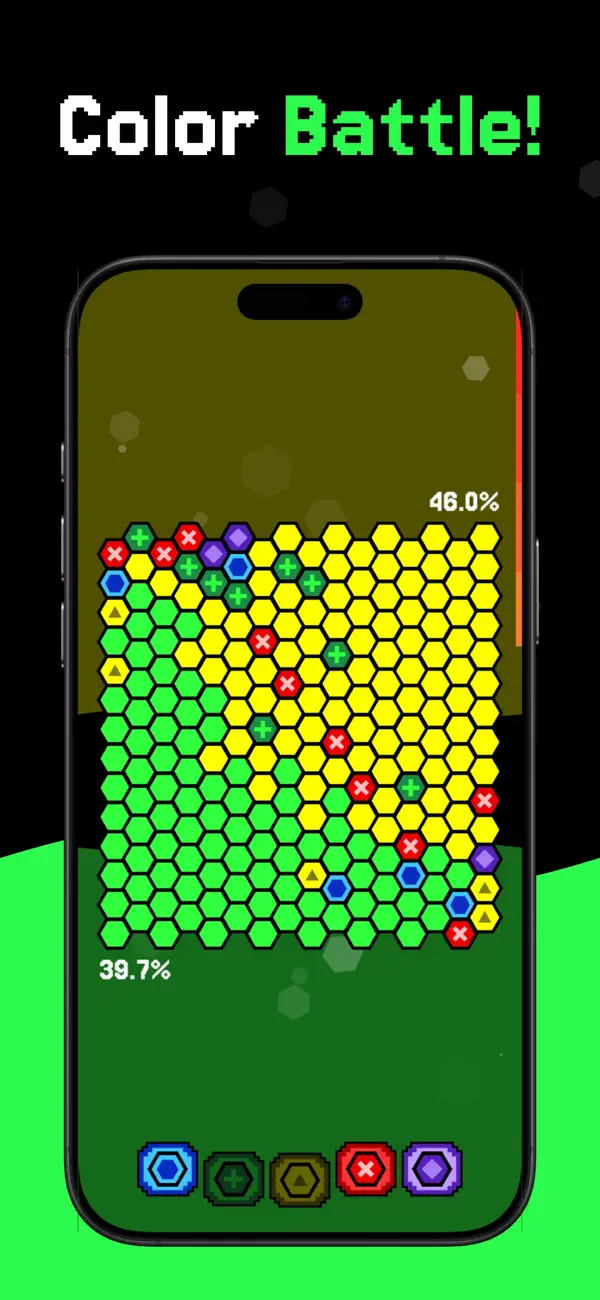
Dibs takes the old 90s grid-flood formula and polishes it into something genuinely entertaining. You pick colors to expand your territory across board tiles before your opponent cuts you off. The single-player money progression loop is relaxing, and adding a 2-player pass-and-play mode makes it a great staple for long flights. Itโs simple, respectful of player time, and executed with care.
This is the least 'game' on the list, and I mean that descriptively, not as an insult. Bible Books Game is a flashcard drill with scoring: learn the 66 books in order, forwards and backwards, through four short games, a Learn mode and practice on the books you keep missing. I haven't used it. I couldn't even open the App Store page, so I'm working from the publisher's own site and an older Amazon listing. Treat everything below as a read of the pitch. What's right about it: it's a dollar, one purchase, no ads, no subscriptions. That is exactly how a tiny utility-game should be sold, and it's a relief after the free-to-play pile elsewhere on this list. The practice-your-weak-books idea is the correct way to build a drill, because spaced repetition is the whole point of memorization. And the track record is decent: the publisher shows 5.0 from nine App Store ratings and Amazon shows 3.7 from 22, with customers calling it simple and fun for kids and adults. What holds it back: scope. There is one job and four short games to do it with, so by design it has almost no replay value once you've learned the order. Nine ratings is not a sample I'd trust for anything, the Amazon side is a much older version, and I can't say anything about the interface, sound, accessibility or performance because the store page wasn't available to me. The publisher is also a niche organization with a specific audience, so this isn't something I'd recommend to a general gamer. As a learning tool for the right person it's cheap and honest. As a game it's a 4 out of 10, and the overall 54 reflects a fair price on a narrow, unverified product. Use it, finish it, delete it. If you need more depth, the publisher's own reference, memory and trivia games look like the natural next step.
I'll admit, the art direction here is top-notch. Itโs clean, itโs modern, and it doesn't treat the player like a child. The gameplay starts simple but introduces new mechanics at a steady clip. Itโs one of the few 'match' games that actually feels like a puzzle rather than a slot machine. However, it suffers from the same mobile rot as its peers: limited lives and power-ups for sale. The difficulty spikes feel artificial, clearly designed to force you into using a booster. Itโs a shame because the underlying design is very smart. Itโs the kind of game I play when I want to feel 'refined,' even if I know Iโm just connecting colored circles. A solid effort, but the monetization keeps it from being a classic.
Iโll admit, the sheer craft on display here is impressive. Most endless runners are lazy templates, but OvenBreak has character. The animations are fluid, the level design is actually quite clever with its verticality, and thereโs a massive amount of stuff to do. For the first few hours, itโs genuinely fun in that mindless, mobile-gaming sort of way. But then the 'Gacha' walls start closing in. To be competitive in the higher leagues, you don't just need skill; you need the latest 'Legendary' cookie at max level, which means opening your wallet. The game is buried under layers of menus, events, currencies, and pop-ups that make it feel more like a digital casino than a platformer. Itโs the pinnacle of modern mobile designโaddictive, beautiful, and fundamentally designed to bleed you dry. Iโm too old for these carrot-on-a-stick mechanics.