Version 1.1.1Thu May 07 2026
What's New in 1.1.1
New Feature
By popular request, you can now maintain one of each run type paused and ready to resume!
Hold one Normal, one Daily, and one Challenge run paused at the same time. No more abandoning your longest run to go do the Daily!
Improvements & Adjustments
- Mimic Spotter perk is more visibly obvious when it triggers.
- Peek + Hint no longer wastes your Peek when used together!
- Peek + Mimic interaction adjusted. Beware!
- Door Sense is now visible in bright rooms and also works correctly in upside-down rooms.
- The Corridor is no longer a chatterbox during transitions, it’ll wait its turn instead of talking over itself (especially noticeable in Corridor Blitz).
- New Corridor thoughts for certain… habitual players.
Fixes
- Nosey achievement now correctly increments and should trigger properly!
- Death’s Ledger bonus now displays correctly on the end-of-run screen. It was always paying out correctly — just not showing it.
- Memory Rooms no longer flash false tells before dismissing, just watch for the glow!
- Late-game success door visual now displays correctly (Fake Outs and Trick Doors still exist, of course!).
- Second Chance revive offer is preserved if the revive doesn't take properly.
- Name reroll now syncs to the server so it shows on leaderboards (it may take a few minutes to show up).
- Stuck black screen after long backgrounding has been addressed with new recovery mechanisms added to jumpstart the graphics.
- Corridor Blitz room loading and Portal room resume animations cleaned up.
- Door surface tells no longer vanish the second you tap a door.
- General stability and polish throughout!
Thanks for playing!
Found a bug? The in-game report tool comes straight to me, and our Discord community is one tap away from the game menus.
Requires iOS 15.0 or later. Compatible with iPhone, iPad, and iPod touch.
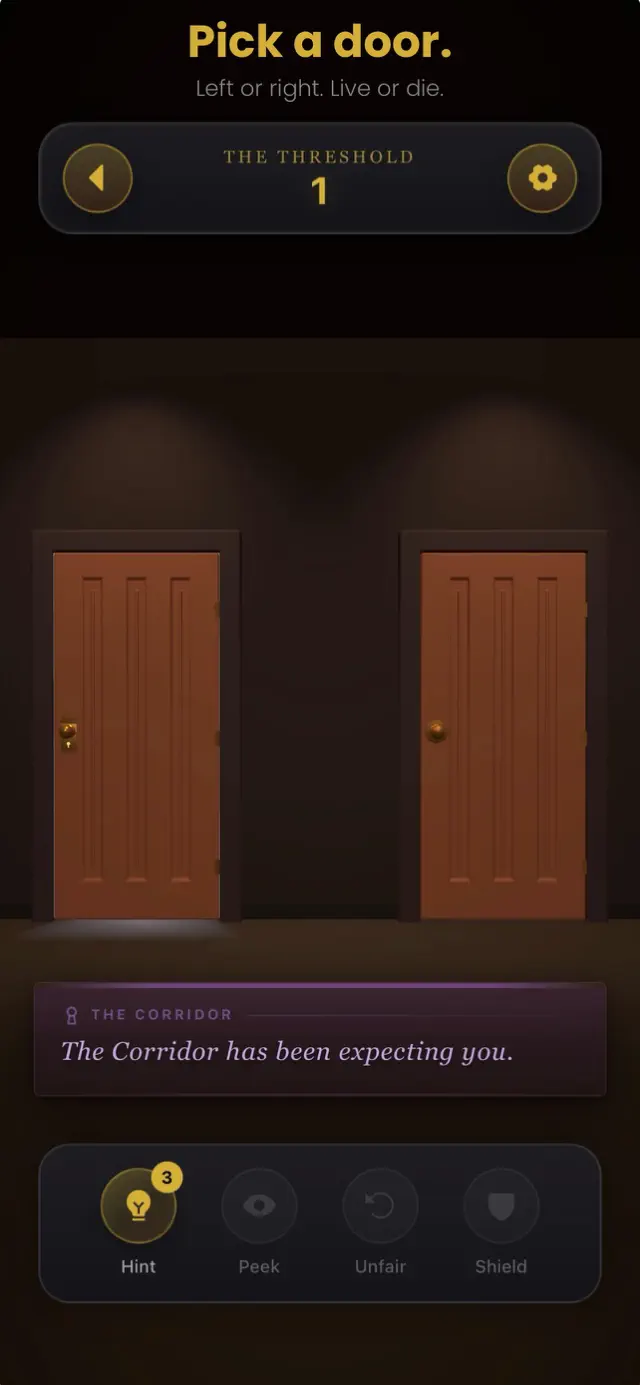
Two doors. One choice. The Corridor is watching, and it has opinions about your decisions. None of them are positive.
You're going to download this. Let's not overthink it.
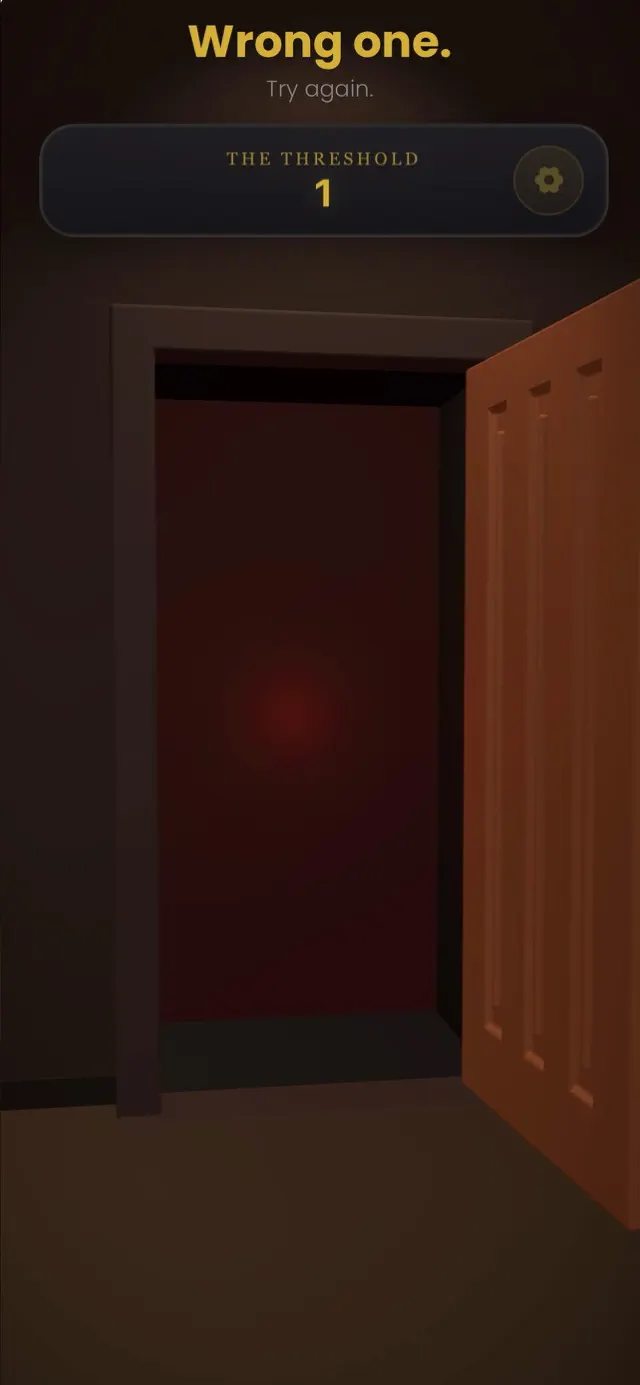
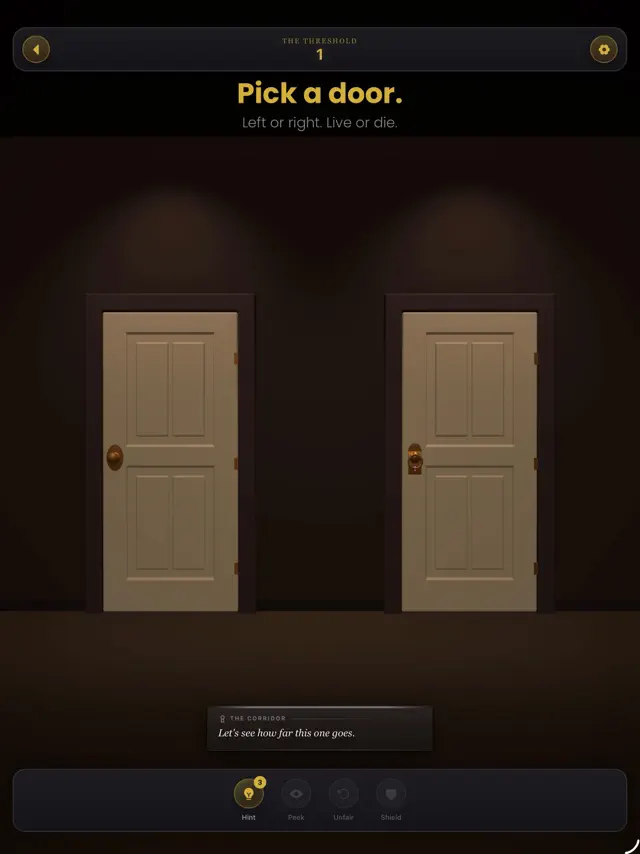
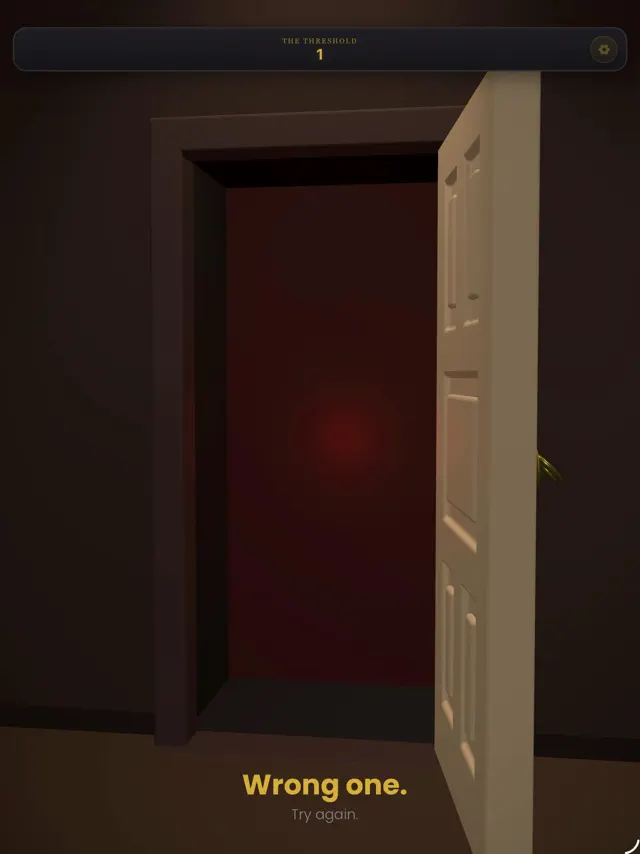
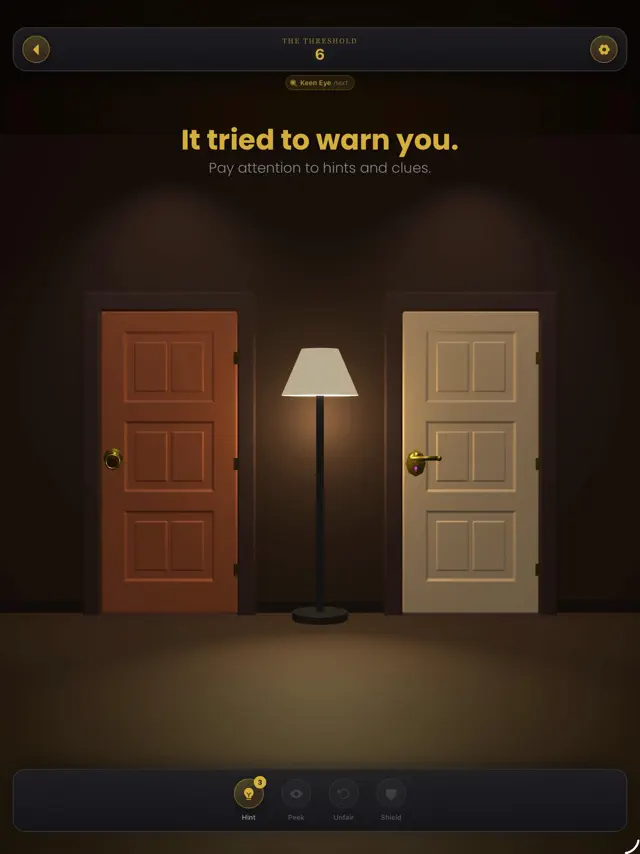
Two doors. You pick one. You live or you die. That's the whole game, yes, really.
No skill trees. No crafting. One mechanic, one choice, and The Corridor is already tired of you.
Features, since you're still reading:
- One choice. That's the whole mechanic. You're still going to get it wrong.
- No tutorials. No hand-holding. A small amount of sympathy, withdrawn without notice.
- The Corridor has feelings about your decisions, and none of them are positive.
- Streaks that make you feel invincible approximately two seconds before you're not.
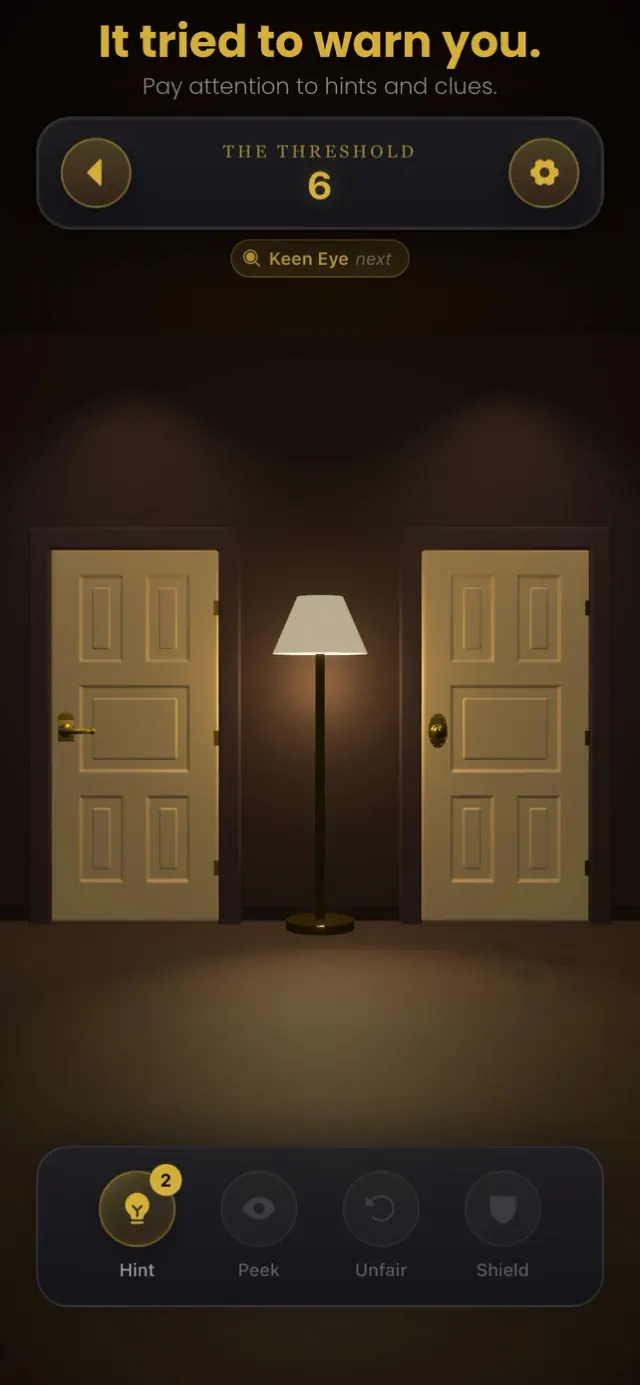
- Clues and props that are genuinely helpful, which somehow makes it worse when you ignore them and die.
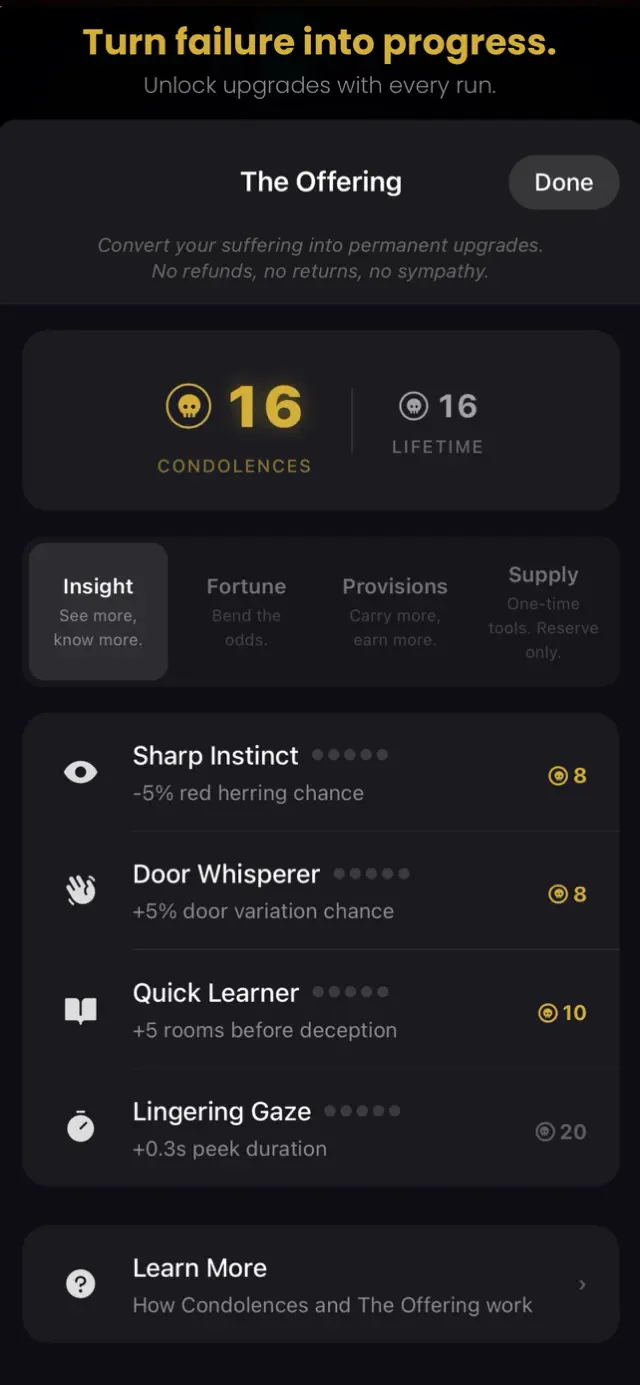
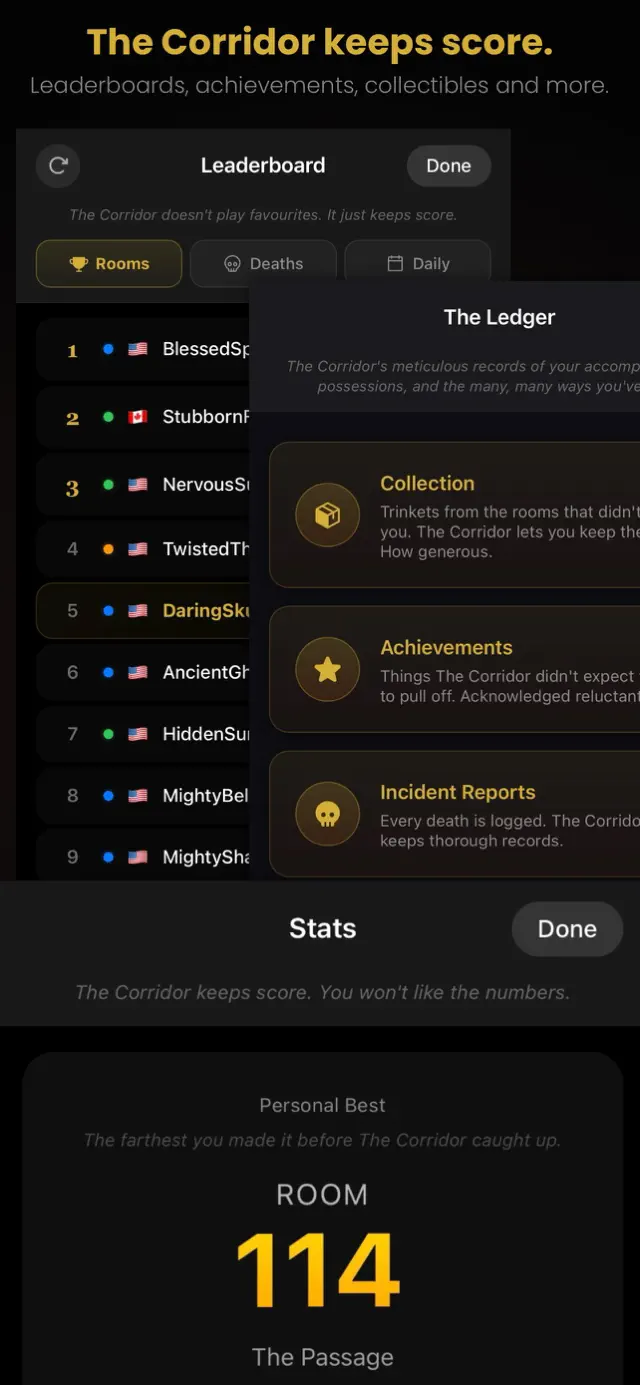
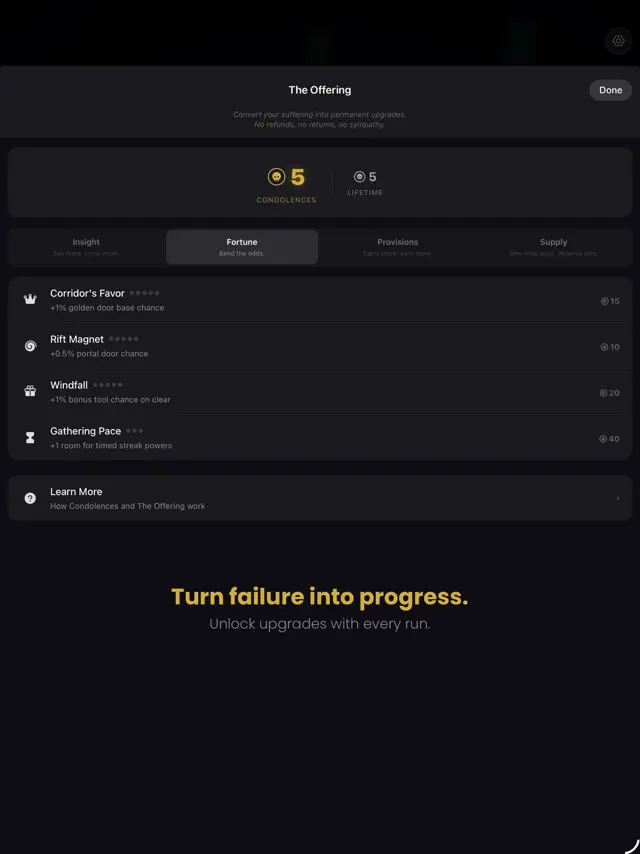
- Achievements, collectibles, and a progression system called "Condolences". You're going to need them.
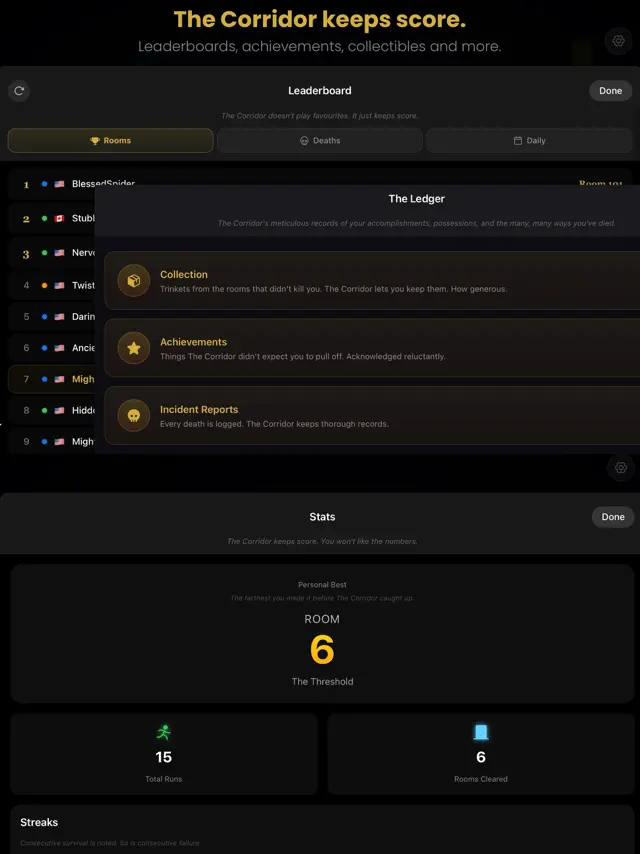
- Game Center integrated leaderboards, challenges, and achievements because The Corridor doesn't play favorites. It just keeps score.
Free to play. No paywalls. No battle pass. No premium cosmetic DLC. The only cost is your time, your sanity, and the slow realization that you could be doing literally anything else right now — but instead you're here, telling yourself "one more round" for the ninth time.
We're not judging you. The Corridor is. But we're not. We promise.