Case Solved: The London Files is a treat for fans of cerebral puzzle games and classic logic grids. Rather than relying on hidden-object hunting or complex action sequences, the game leans entirely into pure deduction. Taking the beloved mechanics of Einstein's Riddle and embedding them into atmospheric 1960s murder mysteries creates an experience that feels both intellectually challenging and wonderfully relaxing.
The game's cozy noir aesthetic—complete with soft rainy visuals and a chill jazz soundtrack—makes working through complex deduction boards a delight. While players expecting a dynamic, choice-driven narrative RPG might find the grid-filling structure straightforward, puzzle enthusiasts will thoroughly enjoy the methodical process of unraveling truth from lies.
As a fan of classical mystery fiction and games like Sherlock Holmes Consulting Detective, Case Solved: The London Files delivers a decent atmospheric mood, but falls short in genuine deduction mechanics. The art direction captures 19th-century London well, and the sound design sets a suitable tone for crime scene investigations. Reading through suspect transcripts and piecing together timelines provides a cozy mystery vibe.
However, the game holds your hand far too much. Deductions are largely pre-guided, meaning you rarely feel like you solved a case through your own sharp observation. Most puzzles boil down to clicking highlighted clues until the next narrative flag triggers. It's an acceptable visual novel/detective hybrid for a quiet evening, but experienced puzzle fans will find it far too simple.
Performance: Smooth static background transitions, fast loading between scenes, and clean touch responsiveness.
Buy if: You enjoy cozy Victorian crime fiction, visual novels, and casual crime scene puzzle solving.
Skip if: You want complex, unguided detective mechanics like Return of the Obra Dinn or Ace Attorney.
Available on: Mac, Apple TV, iPhone, iPad, iPod
Version 1.0.3Mon Aug 10 2026
- 404: Case 404 now loads correctly.
- Case 3: Stolen Time now unlocks normally after you complete Case 2: Last Act.
- Hints: the hint system no longer points to the same cells of the deduction board.
- Demo: achievements earned in the demo are no longer lost.
- Achievements: the "15 Cats" achievement can now be earned.
- Quitting: quitting the game from the pause menu now correctly saves the current state of the deduction board.
- Case 3 Stage 4: clues now use items from different categories so the deduction stays solvable
- Case 3 comics: each character now uses the correct voice
- Classified/Secret Files: unlocks and completed progress now save after leaving the menu or restarting
- Newspaper cutscene art now shows “Mystery” instead of “Mistery"
- Improved clue phrasing in Russian, Ukrainian, Polish and Czech for Cases 2 and 3.
- Secret Files: Improved usability
Requires iOS 15.0 or later. Compatible with iPhone, iPad, and iPod touch.Case Solved: The London Files blends cozy noir storytelling with the elegant logic-driven deduction popularized by Einstein’s Riddle.
Step into the fog-covered streets of London and investigate chilling murder cases where every witness has something to hide, every alibi contains contradictions, and every clue matters.
Each case is a carefully crafted puzzle of reasoning and observation, inviting players to uncover truths buried beneath deceit and suspicion.
Explore atmospheric crime scenes, interrogate suspicious characters, connect fragmented evidence, and solve intricate mysteries through pure logic, no guesswork required.
With its relaxing investigative gameplay, cerebral puzzle design, and richly atmospheric noir world, Case Solved: The London Files delivers a calm yet deeply satisfying detective experience where only sharp deduction reveals the truth.


Step into the fog-covered streets of 1960s London in Case Solved: The London Files, a cozy noir detective puzzle game developed by Minimol Games. Investigate intriguing murder cases where every suspect has a motive, every witness statement contains contradictions, and every clue matters. Built around logic grid mechanics reminiscent of Einstein's Riddle, each mystery presents a pure logic puzzle with a single provable answer—no guesswork required. Gather evidence, cross-reference alibis on your deduction board, and expose lies as you solve cases across iconic London landmarks. Complete with hand-drawn 2D artwork and a relaxing jazz soundtrack, Case Solved offers a calm yet intellectually stimulating mystery adventure.
Pure logic grid gameplay inspired by classic Einstein's Riddle puzzles
Multiple story-driven cases set across atmospheric 1960s London
Cozy noir aesthetic with hand-drawn art and soothing jazz soundtrack
Zero guesswork required—every case has a single provable logical outcome
Relaxing pacing with interactive deduction board tools
Official iOS page with game details and screenshots.
Fill out logic grids by marking true and false connections between suspects, crime scenes, motives, and murder weapons.
Examine detailed hand-drawn scenes to discover hidden clues, timestamps, and physical evidence needed for your board.
No, every case is designed as a closed logic puzzle that can be solved entirely through deduction and process of elimination without any guessing.
Enigmo takes me back to the early days of the iPhone. It was revolutionary then, and it’s still 'fine' now. The core loop of placing a bumper and watching a droplet bounce is satisfying in a basic way. However, the 3D graphics haven't aged gracefully—they look like early PS1 tech. The difficulty curve is also all over the place; you'll breeze through five levels and then hit a brick wall that makes you want to throw your phone. It’s a classic, but the world has moved on to more elegant physics puzzles like Portal or The Witness.
Look, it's Mahjong. We’ve been playing this on PCs since the 80s, and this version doesn't do much to justify its existence beyond portability. It’s competent enough—the tiles are legible and the touch controls don't fight you—but it lacks any sort of soul or modern flair. The variety of layouts is the only thing keeping it from being a total snooze-fest, though even those start to feel repetitive after an hour. It’s the kind of game you play while waiting for a flight because you have nothing better to do. It’s fine, but 'fine' doesn't get a high score in my book. If you're looking for innovation, keep walking; if you want a digital paperweight that occasionally lets you click tiles, here it is.
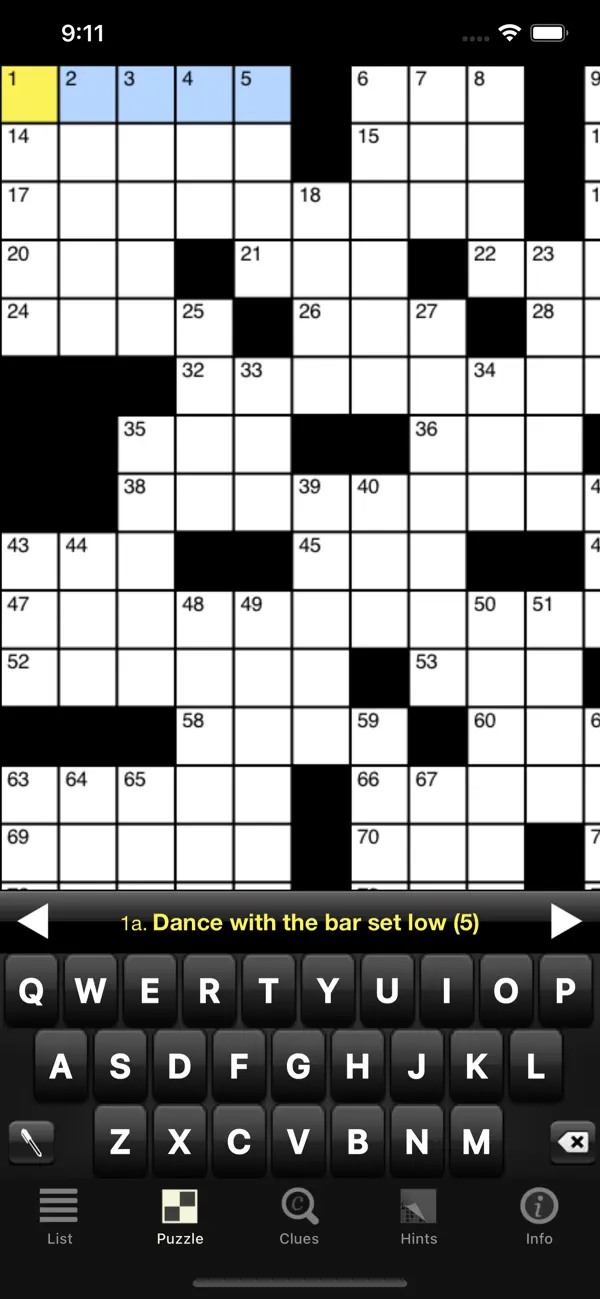
I've spent years with a pen and a newspaper, so I have a high bar for crosswords. This app manages to fit the content in, but it loses the tactile satisfaction of the real thing. The interface is utilitarian, which is better than being cluttered, but it feels sterile. The puzzle quality varies wildly depending on the source, and some of the clues are frankly nonsensical or dated. It does what it says on the tin, but I struggle to find the 'pro' in this 'classic' experience. It’s a decent way to kill time, but it won't replace a Sunday morning ritual for anyone who actually cares about the craft of puzzling. It's serviceable, but largely forgettable software.
EDGE is a relic from a time when mobile games actually tried to be games rather than slot machines. Its brilliance lies in its simplicity. You're a cube. You roll. That's it. But the level design is so tight and the physics are so predictable that every failure feels like your own fault rather than a glitch in the system. The soundtrack is the real star here—a pulse-pounding electronic score that fits the 'cyber-industrial' aesthetic perfectly. My only real complaint is that the difficulty spikes can be frustrating, especially with touch controls that occasionally misinterpret a swipe. It hasn't changed much over the years, which is both its strength and its weakness. It’s a pure, unadulterated puzzle-platformer that doesn't feel the need to hold your hand.
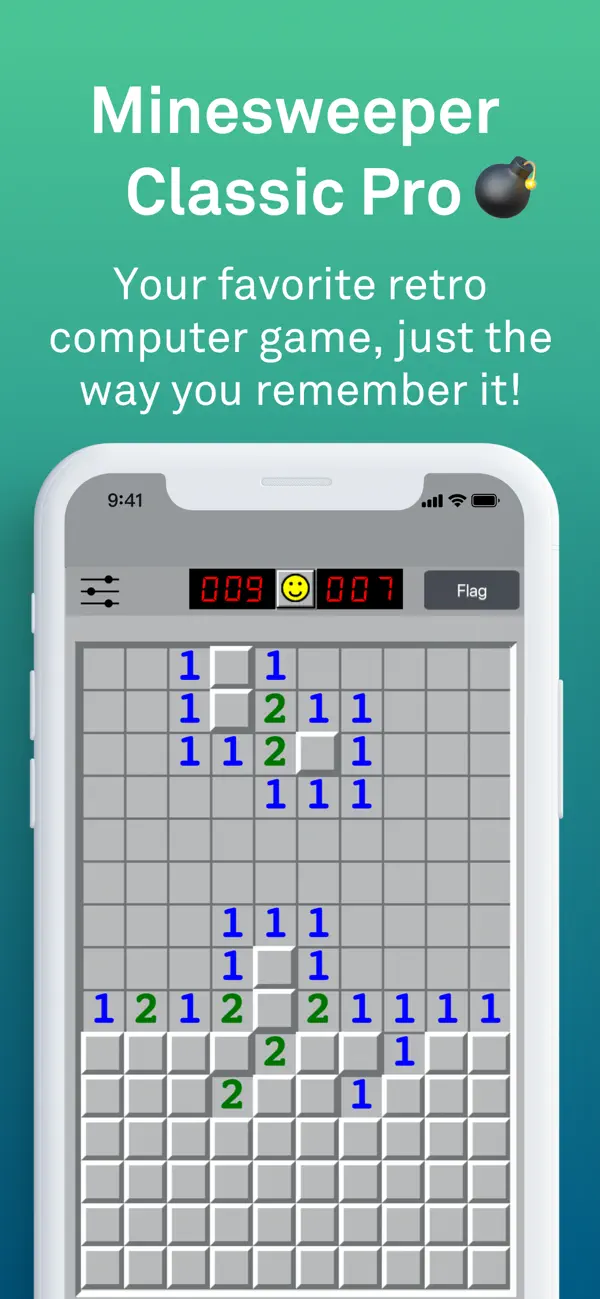
I’ve cleared thousands of Minesweeper boards in my life, and this app doesn't change anything about that experience. It’s Minesweeper. The controls are a bit fiddly on a small screen—I’ve detonated more than a few mines just by fat-fingering a square—but the logic is sound. It’s a perfect 'waiting for a bus' game. There’s no bloat, no forced ads (in this version), and no nonsense. But there’s also no reason to be excited about it. It’s a solved game that we’ve all played for thirty years. If you don't have a version of Minesweeper on your phone yet, this one is perfectly adequate. Just don't expect it to change your life.
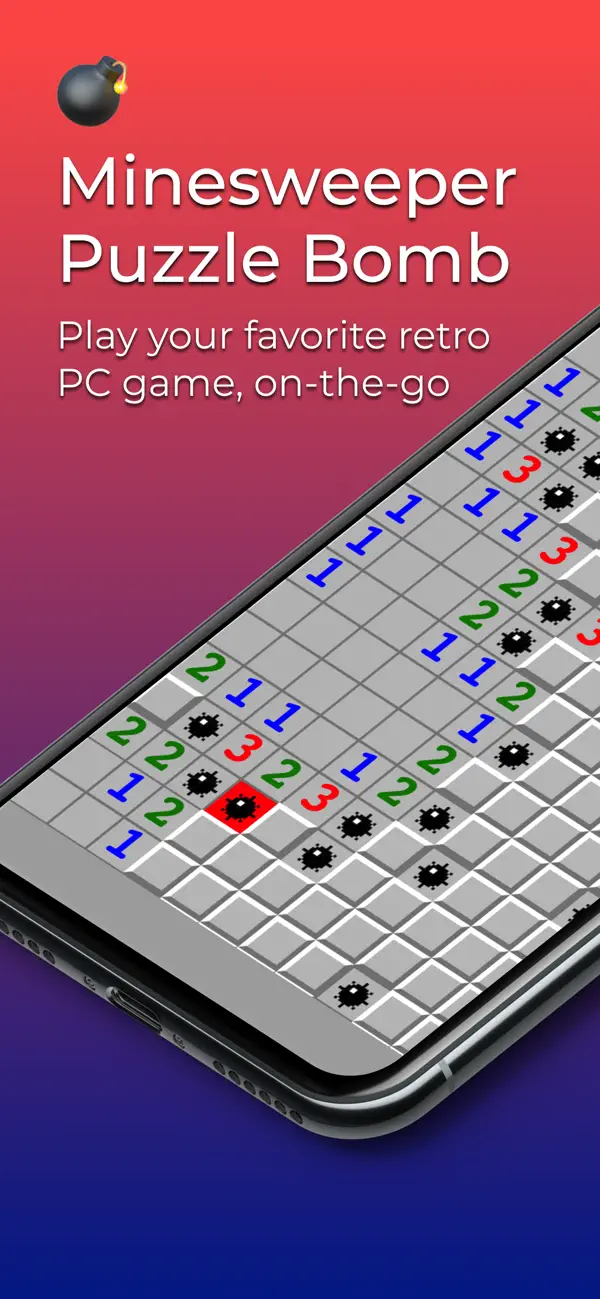
This is just Minesweeper with a fresh coat of paint, and not a particularly good one. The 'Bomb' aesthetic feels forced, and the UI is actually a bit more confusing than the standard classic version. I don't see why I would choose this over a more traditional layout. It’s fine, it works, and the logic is the same. But it feels like it’s trying too hard to be 'modern' and 'exciting' for a game that is fundamentally about staring at numbers. Stick to the classic versions; this one just feels like clutter.
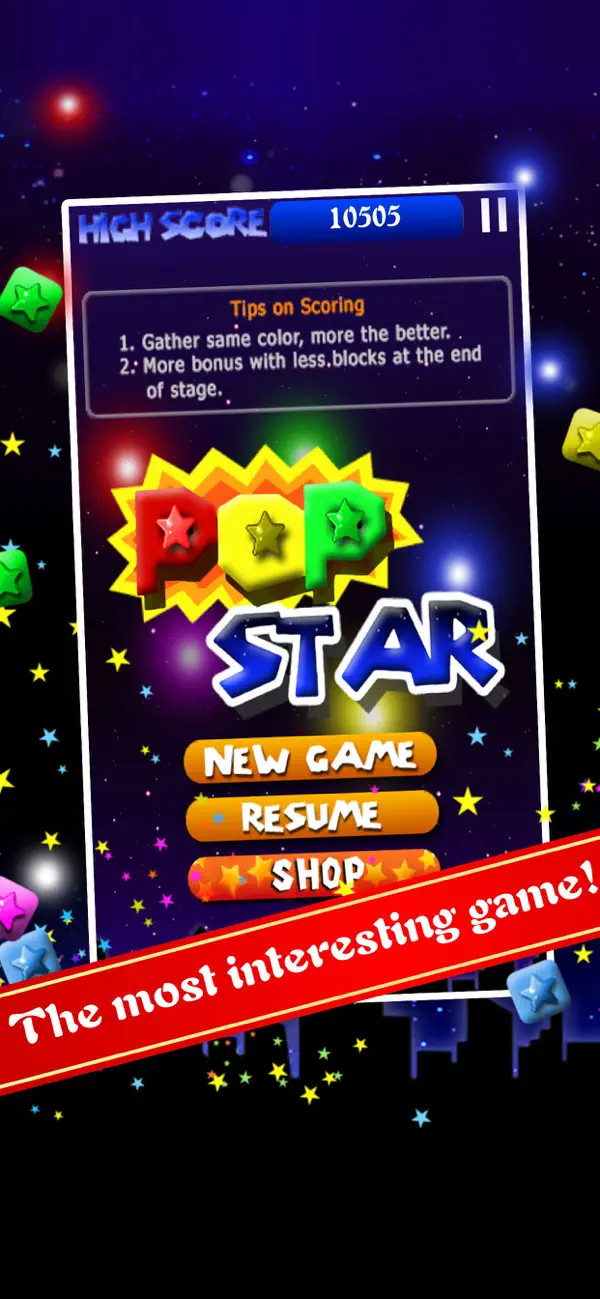
PopStar is the kind of game I find sitting in the 'Top Free' charts that makes me lose faith in the market. It’s barely a game; it’s a repetitive clicking exercise. There is no strategy beyond 'click the big group.' The visuals are incredibly dated, looking like something from a late-90s web browser. It's meant to be 'relaxing,' but it’s actually just boring. There are no stakes, no interesting mechanics, and no reason to choose this over a decent match-3 game.
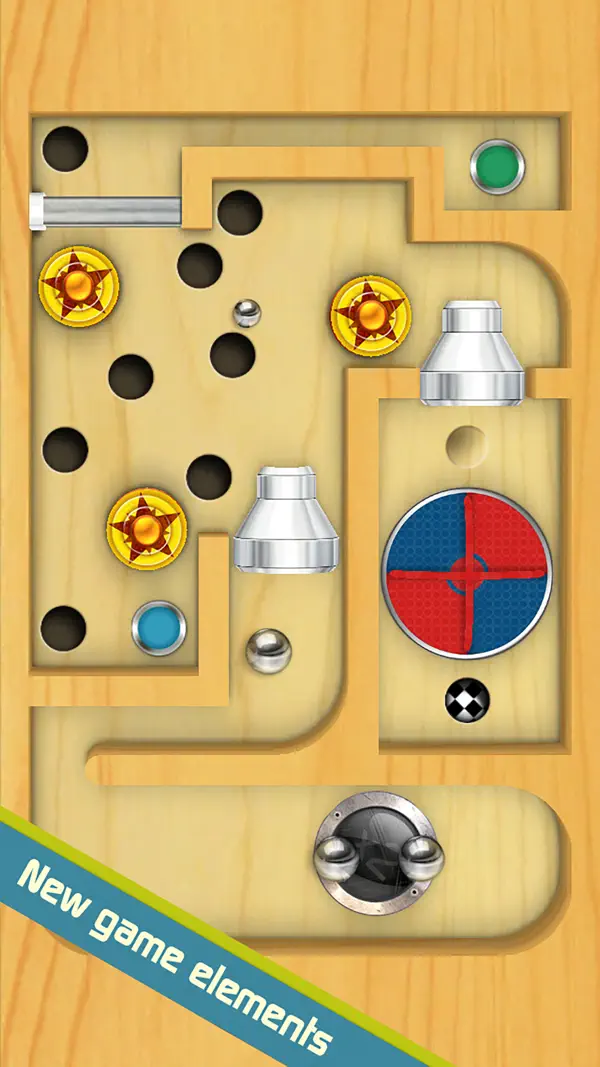
Labyrinth 2 is one of the few games that actually makes good use of the accelerometer. Unlike most mobile games, the physics here feel weighted and 'real.' I like that they didn't just stick to the wooden board; the addition of cannons and magnets adds a layer of puzzle-solving that keeps it from being a pure dexterity test. It’s still just tilting a phone, though. It’s a polished product, but it lacks the depth of a true console experience. It's a good game for what it is, but what it is remains a toy.