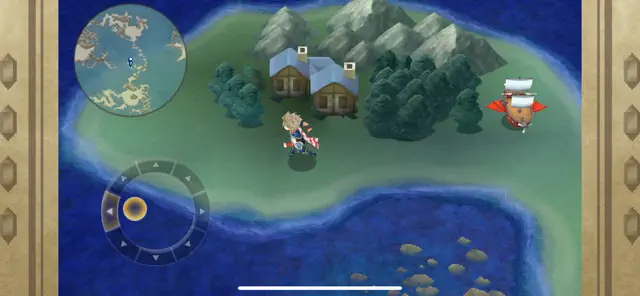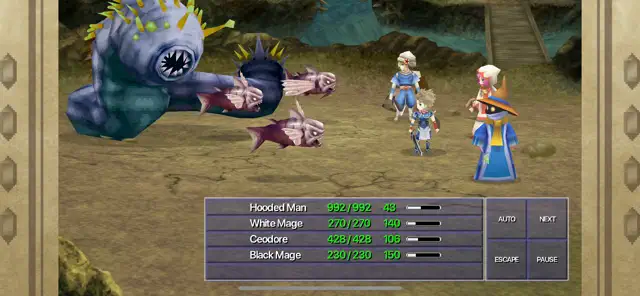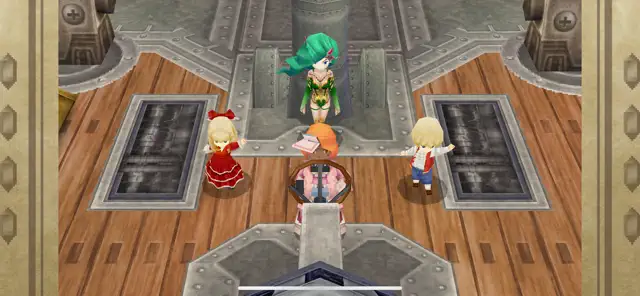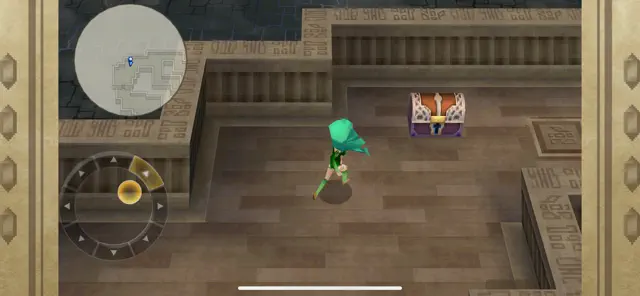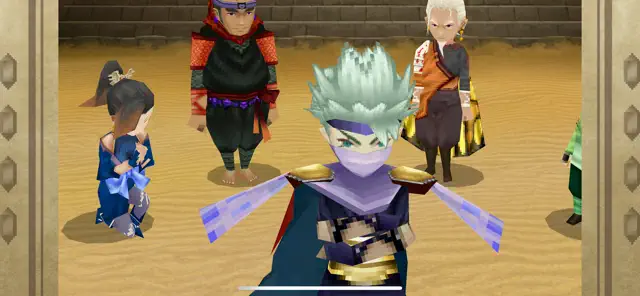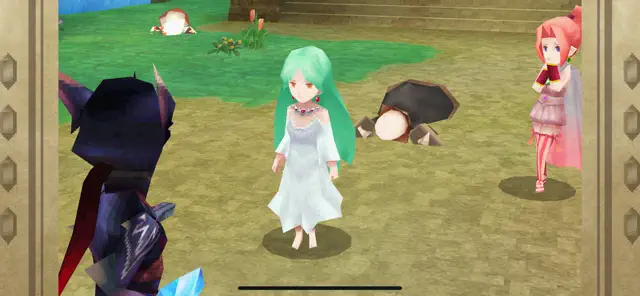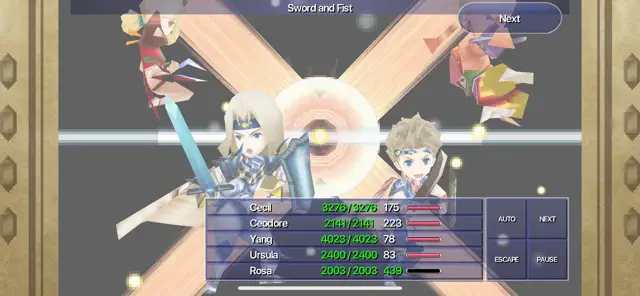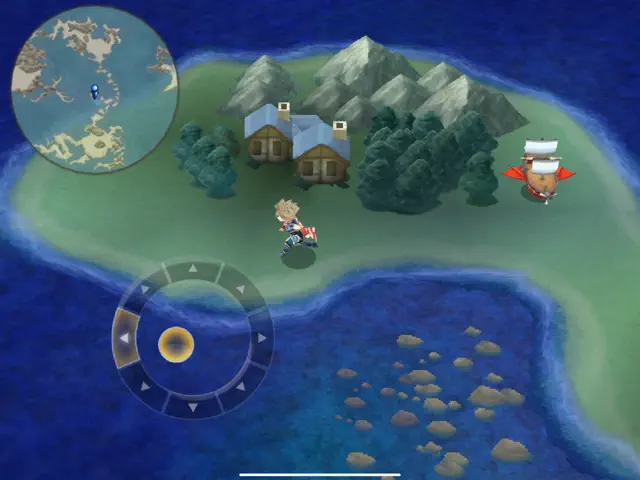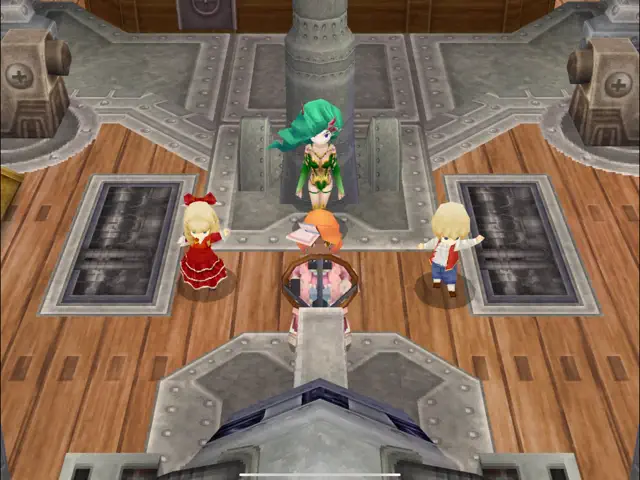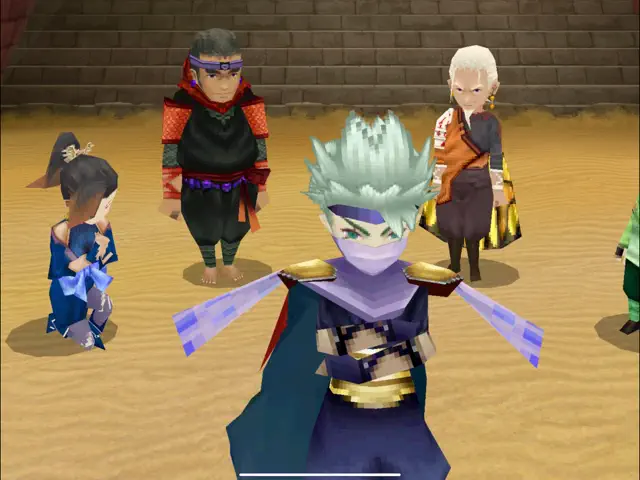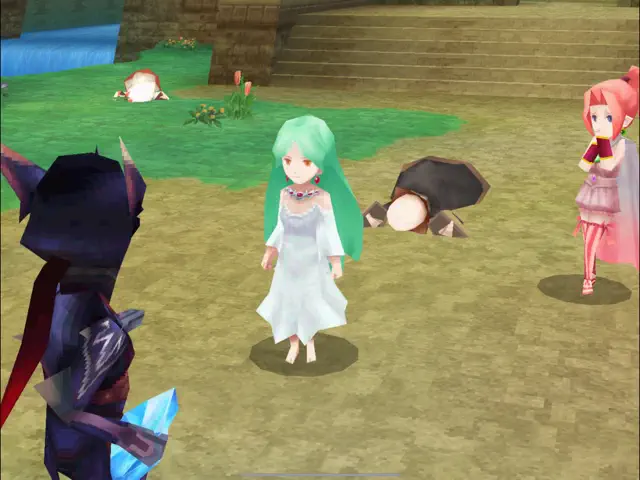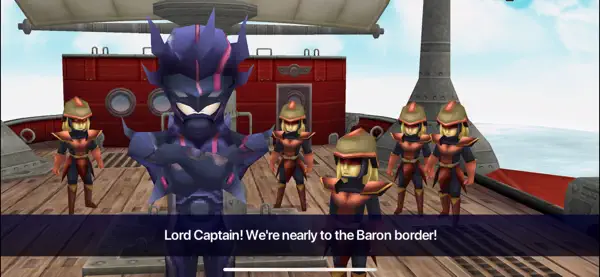
For fans of FFIV, 'The After Years+' is like a massive high-school reunion. Getting to see what happened to Kain, Rydia, and Edge after nearly two decades is genuinely engaging. The episodic format works surprisingly well for mobile play, letting you finish a 'chapter' in a few sittings.
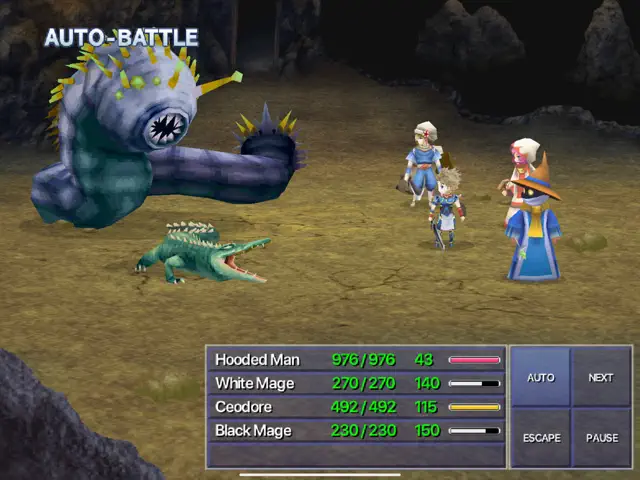
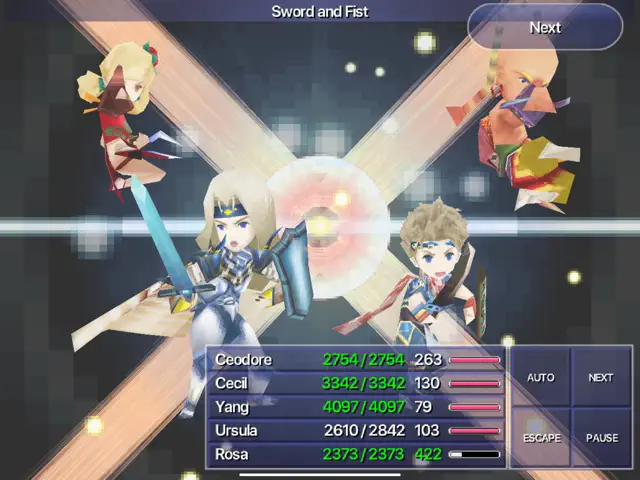
The Moon Phase system adds a nice tactical wrinkle that keeps the combat from feeling like a total retread. It is a bit grindy in parts, especially if you want to unlock every character's best Band attacks, but for a sequel to a legend, it does a respectable job of honoring the legacy while introducing a compelling new cast.
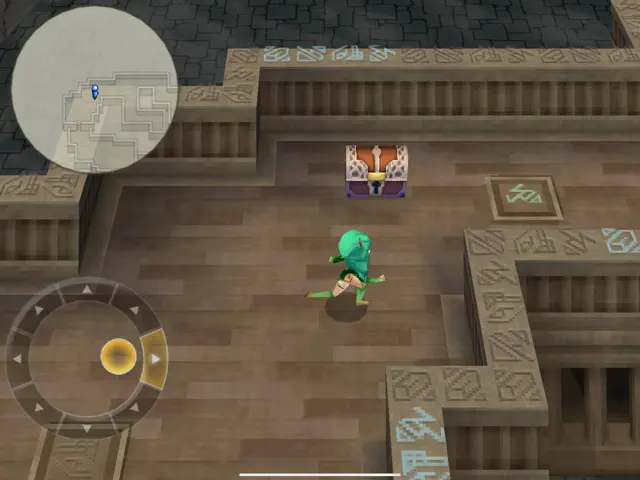
Dinsun here. This game is the definition of 'more of the same.' It’s episodic by nature, which makes the pacing feel disjointed. You’ll revisit the same caves and towns you saw in FFIV. The 'Band' system is interesting but feels grindy. Unless you are a die-hard Cecil fan, this is a skip. It feels like fan fiction with a budget.
Performance: Runs flawlessly on modern hardware, as it should.
Buy if: You absolutely need to know what happened to every side character from FFIV.
Skip if: You dislike backtracking and reused environments.
Available on: iPhone, iPad, iPod
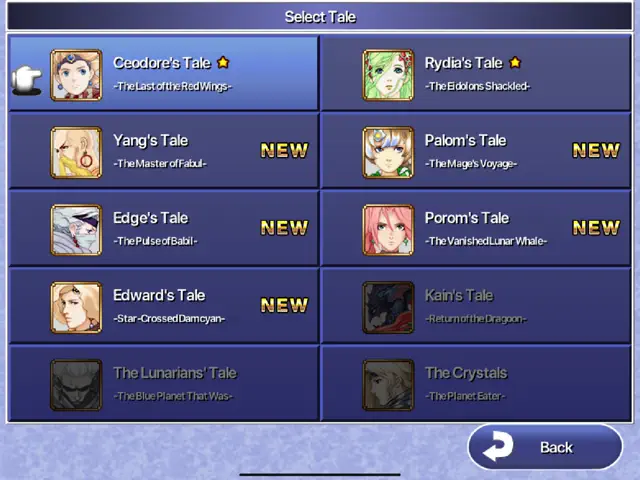
Set seventeen years after the original game, FF IV: THE AFTER YEARS+ follows Ceodore, the son of Cecil and Rosa, as a new moon appears in the sky and threatens the world once more. The game is structured into ten distinct tales focusing on different characters, culminating in an epic finale. It retains the 3D aesthetic of the FFIV remake and introduces new mechanics like Moon Phases (affecting magic and physical power) and 'Bands' (powerful combo attacks between party members).


Experiment with different party combinations to unlock 'Bands.' These dual or triple attacks are vital for dealing massive damage to end-game bosses.
Dinsun here. I prefer the 2D sprites personally, but the 3D Remake of IV is the only way to play if you actually want a challenge. The 'Augment' system adds a layer of depth the original lacked, though it’s nearly impossible to optimize without a guide. The voice acting is decent, but the low-poly models look a bit muddy on modern Retina displays. It’s a respectable effort for a title that defined the dramatic JRPG.
Dinsun here. I’ve played FFIV in every iteration from the SNES to the DS, and the Pixel Remaster is... fine. It’s functional. The updated pixel art is cleaner, but it loses some of the grit and atmosphere of the original CRT-targeted sprites. The redone music is the highlight; Uematsu’s work sounds better than ever with full orchestral arrangements. However, they've stripped out the bonus dungeons from the GBA and PSP versions, which is a slap in the face to long-time fans who want the definitive package. It’s the best way to play the 'original' version on a phone, but it’s far from the complete experience I expected for the price.
Dinsun here. It feels like 1997 again, and for once, that’s a good thing. Fantasian is exactly what I want when I say I miss the 'old' Final Fantasy. Sakaguchi hasn't lost his touch. The diorama backgrounds are a stroke of genius—they give the game a sense of scale and physical presence that even the most advanced 3D engines can’t replicate. It feels like playing inside a miniature museum. Mechanically, the Dimengeon system is a godsend. It solves the biggest problem with the genre—repetitive random encounters—by letting you bank them for a massive, strategic battle later. The difficulty in the second half of the game is notoriously brutal, which I actually appreciate; it requires real mastery of the systems rather than just grinding. My only complaint is the story—it’s a bit 'amnesiac hero saves the world' by the numbers. But with Uematsu’s music in my ears and these visuals, I’m willing to forgive a lot of tropes. This is the best reason to have Apple Arcade.
Dinsun here. I’ve seen this game ported more times than I care to count, but the Pixel Remaster is probably the most 'playable' version for a modern screen. The rewritten script is fine, and the music arrangements are admittedly impressive. However, the difficulty has been significantly dampened. In my day, managing spell charges meant something; now, with auto-battle and boosted XP, you can sleepwalk through the Chaos Shrine. It's a museum piece that's been polished so much it lost some of its character.
It pains me to give a score this high, but Slay the Spire earns it. This isn't just a game; it's a perfectly calibrated machine. No fluff, no predatory microtransactions, just pure tactical card-play. It took me back to the days when games were finished products upon release. The synergy between relics and cards is so deep that after hundreds of hours, I’m still finding new ways to lose—or win. The mobile port is functional, though the touch controls can be a bit finicky with small card text. However, the core loop is so strong it doesn't matter. It’s one of the few games that actually respects the player's intelligence. If you die, it’s usually your fault, not the RNG. That’s how a game should be designed.
Dinsun here. It's a miracle we finally got this game in the West. This remake is colorful and the combat is snappy enough. However, the English voice acting is nearly unbearable—I recommend switching to Japanese immediately. The world feels a bit static, and the AI for your companions is dim-witted at best. It's a solid weekend play, but don't expect the depth of a modern blockbuster.
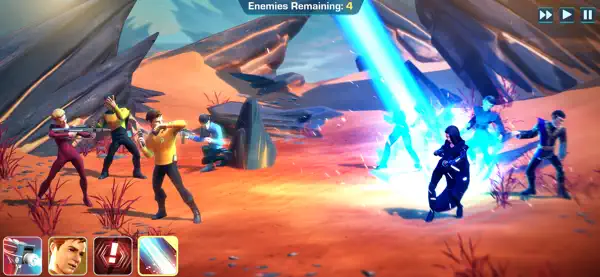
Dinsun here. As a fan who grew up watching TNG on syndication, seeing Picard, Janeway, and Spock in one squad is a nice bit of nostalgia. Star Trek Legends is a polished hero collector, and since it’s on Apple Arcade, it’s mercifully free of the predatory 'energy' systems and loot boxes that usually plague this genre. The character models are surprisingly detailed, and the writing at least attempts to sound like Star Trek. However, the combat is incredibly generic. If you’ve played any mobile turn-based RPG in the last decade, you’ve played this. The strategy mostly boils down to 'bring the right color to the fight' and tapping your skills when they’re off cooldown. There’s no positioning, no real tactical innovation. It feels like a 'skin' over a very standard template. It’s enjoyable for a Trek fan who wants to collect their favorite characters, but as a game, it’s remarkably uninspired. It’s safe, it’s corporate, and it’s ultimately a bit dull.
This is the best game on this list, period. Dicey Dungeons+ is clever. It takes the inherent randomness of dice and forces you to build a system to manage that luck. As a conservative gamer, I love the clear rules and the deep strategy. It doesn't hold your hand, and it isn't afraid to let you lose because of one bad decision. The different characters keep the game fresh for dozens of hours. The art style is vibrant and the soundtrack by Chipzel is phenomenal—it’s got a real energy that keeps you going even when Lady Luck is being a pain. It’s a 'just one more run' game of the highest order. It’s polished, intelligent, and perfectly suited for mobile. If you only play one game from this batch, make it this one. It’s a modern classic.
If you want to get the notification of newest video, feel free to subscribe to our channel