Note: as of this review (Nov 21, 2026), ReStory: Chill Repair Shop is still listed as expected on Dec 21, 2026, so this is an anticipatory assessment based on the App Store listing, not hands-on play.
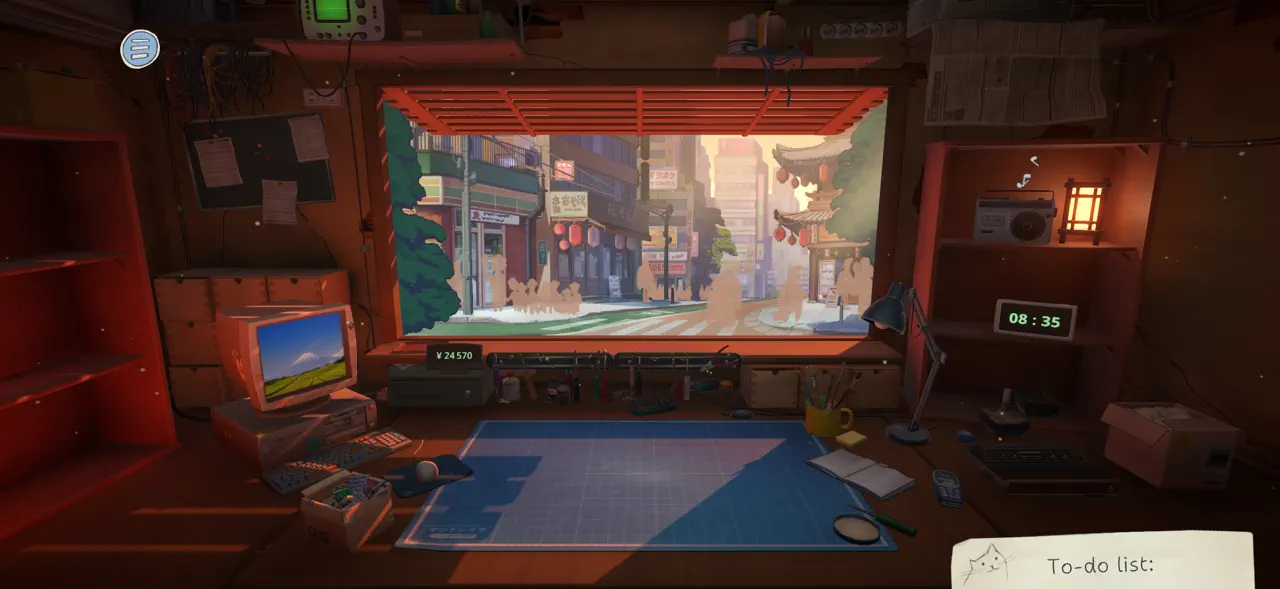
Repair-shop simulators have become a comfortable corner of the cozy genre, and ReStory looks like a thoughtful addition. The hook is its setting and its objects. Instead of generic gadgets, you work on Y2K-era devices inspired by game consoles, handhelds, phones, cameras, music players and home appliances, in a game that tries to capture the feel of mid-2000s Japanese city life. Including officially licensed Atari consoles is a nice authenticity touch that should please retro fans and make the workbench feel like a collection of recognizable hardware.
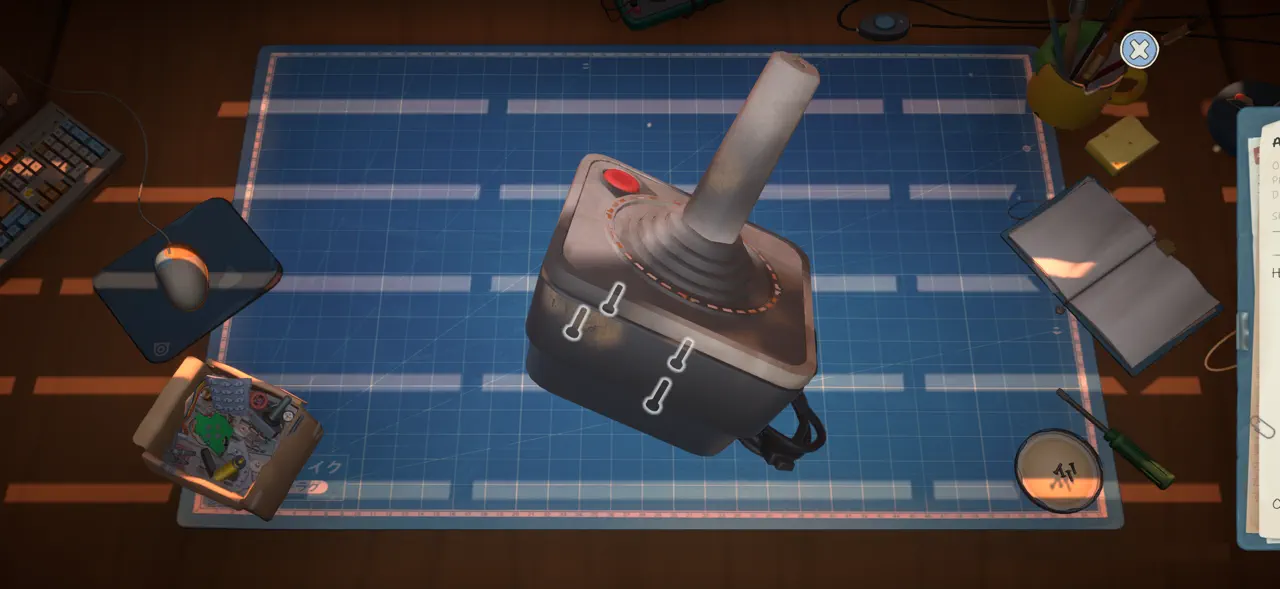
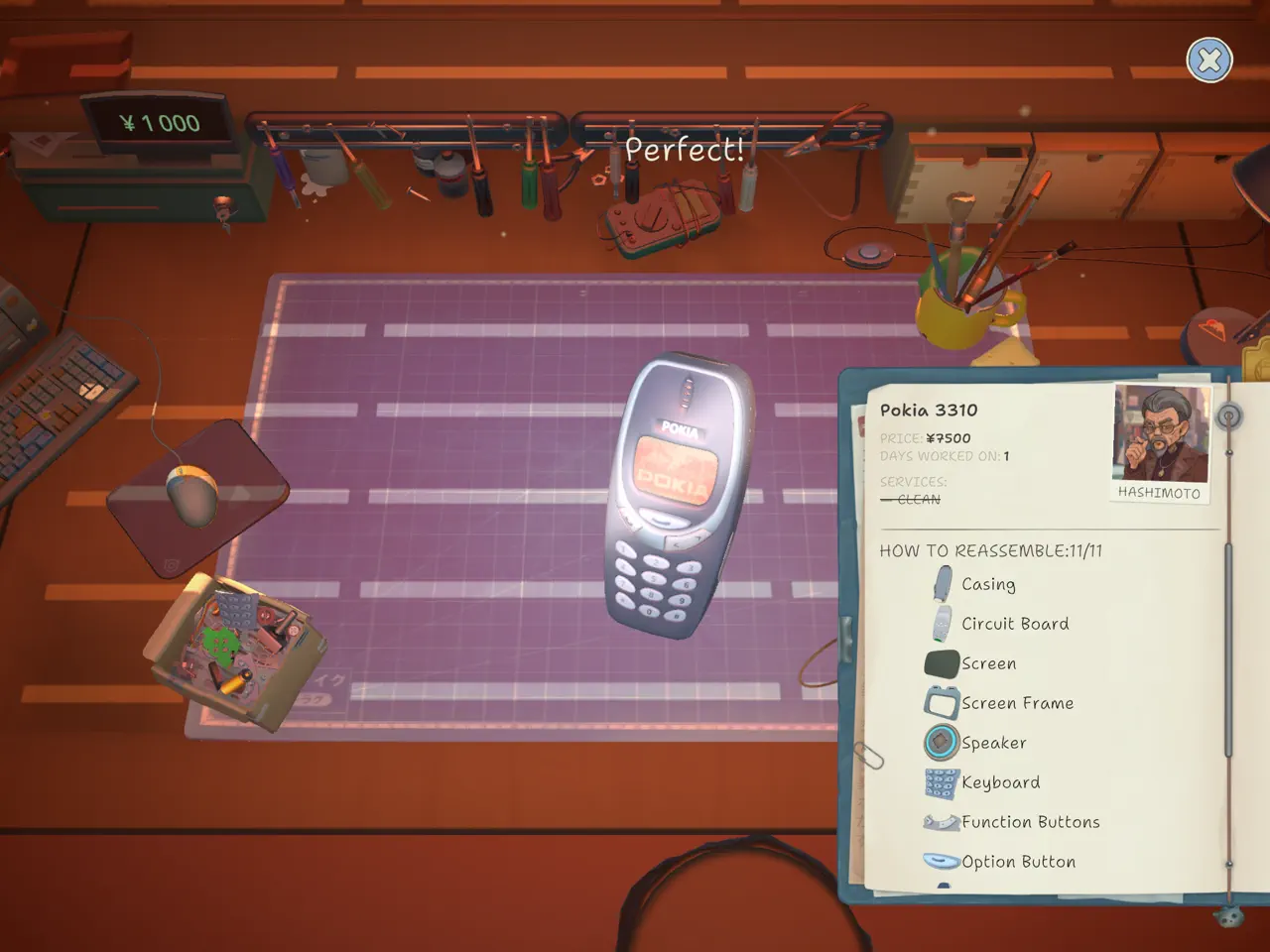
The core loop sounds satisfying. You take a device apart carefully, clean it, replace faulty parts and put it back together with a set of tools. The listing describes an in-depth cleaning and restoration system, and that is where a game like this lives or dies. If cleaning feels tactile and rewarding, and if different devices need genuinely different handling, the repetition becomes the relaxing rhythm the title promises. The risk with any repair sim is that every job starts to feel the same, so the variety of devices and tools will matter a lot.
Two supporting systems add texture. The Y2K-style web browser for hunting spare parts is a charming way to handle sourcing, and it fits the era better than a plain shop menu would. The mix of in-person and online orders and the finance management should give the shop a sense of progress without turning it into a stress simulator. The word chill is in the title, and the design seems built to protect that mood.
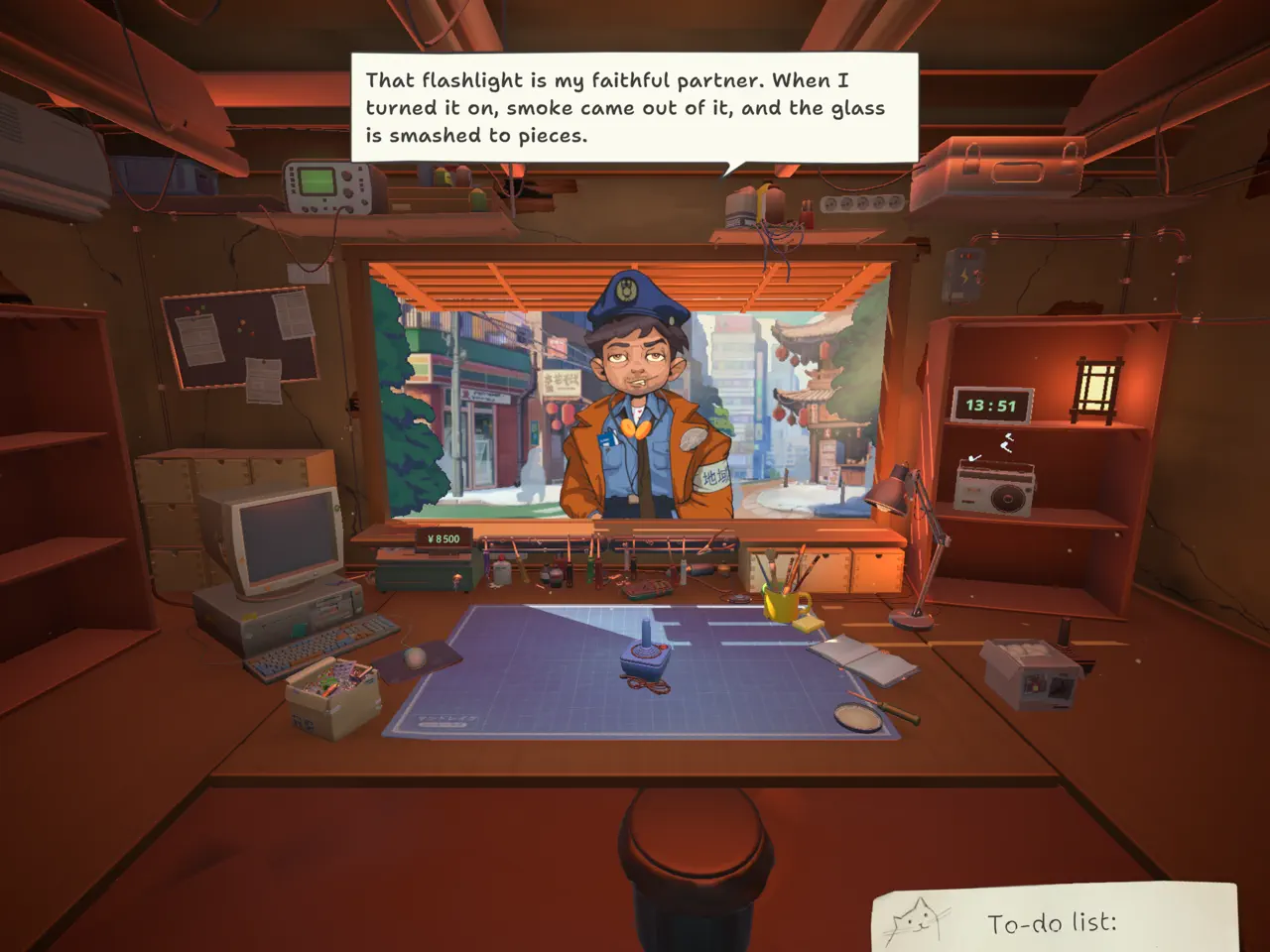
The story layer is what could set it apart from other repair games. Customers have their own stories and dialogue, and the page promises that how you treat them can change their lives. The examples are a disturbing find inside a former gangster's phone and a student who needs help confessing to a crush. Those two examples cover very different tones, which suggests the writing aims for both warmth and some tension. Multiple endings and a replayable branching storyline give a reason to come back, as long as the choices carry real weight.
The mobile package looks reasonable. It is a premium $7.99 purchase with no data collection reported, which is a welcome change from ad-driven mobile simulations. It runs on iOS 16.0 or later, which is a broad range of devices, and the 711.1 MB size is modest. It supports nine languages, Family Sharing and Game Center, and the 13+ rating keeps it accessible to teens. The main open questions are how well the detailed disassembly and cleaning interactions translate to touch controls, and how much content the $7.99 price covers. Neither can be judged until release.
Overall, ReStory: Chill Repair Shop looks like a charming, nostalgic and fairly priced cozy sim with a stronger-than-usual narrative angle. My anticipated score of 80 reflects optimism about its setting, licensed hardware and branching stories, balanced against the usual uncertainty about repetition and touch-screen controls in a repair-focused game.
I'm 40, and I remember opening real consoles on real kitchen tables, so a game about restoring Y2K-era handhelds, flip phones and Atari hardware is aiming straight at my weak spot. Which is exactly why I'm going to be harder on it than the glowing headlines. Nostalgia is a cheap currency, and plenty of cozy sims spend it until the well runs dry. The question with ReStory is whether the loop holds up once the novelty of unscrewing a tiny phone wears off.
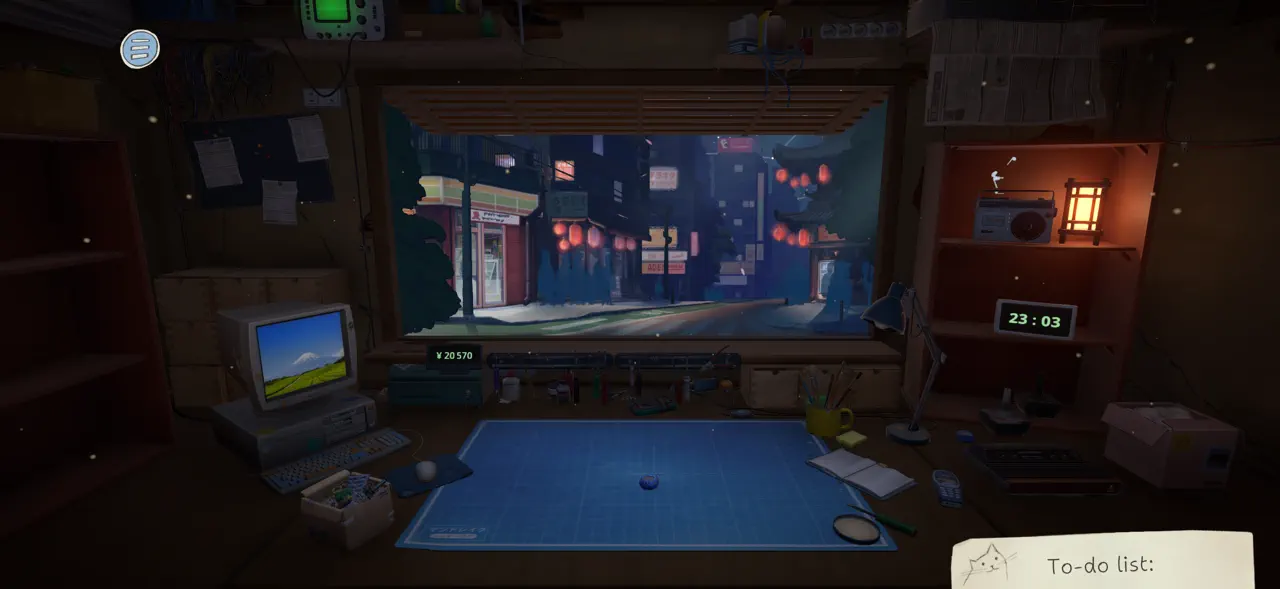
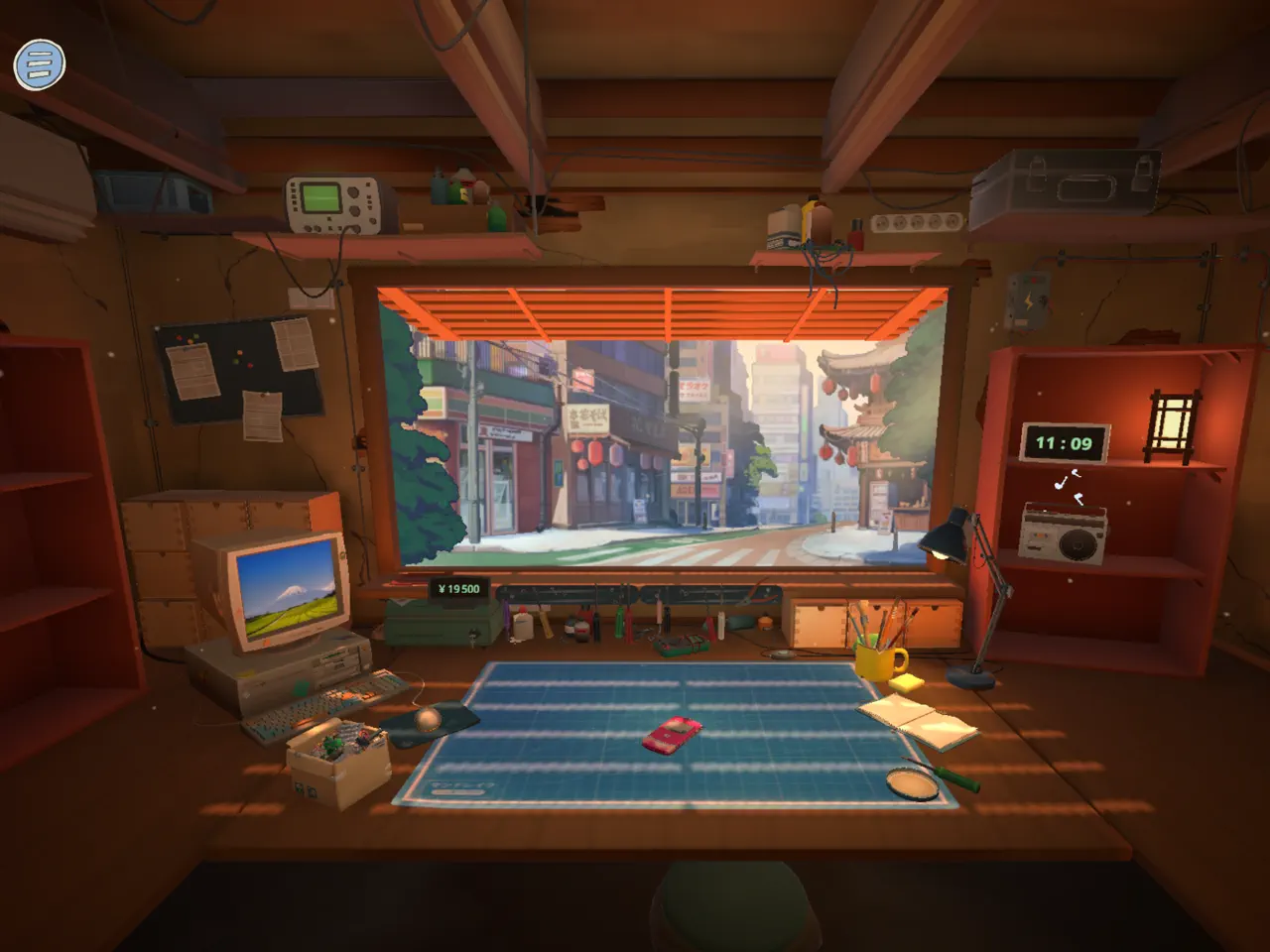
What's clearly working is the presentation and the premise. The mid-2000s Tokyo setting is rendered with a lot of affection, the roster of devices is genuinely appealing (consoles, handhelds, cameras, music players, even virtual pets, plus officially licensed Atari machines), and the repair process is more tactile than the 'chill' label suggests: disassembly, cleaning, parts replacement and reassembly. The Y2K web browser for hunting spare parts is a smart touch that makes the shop feel like a living little business. Early reception backs this up: Steam players were around 95% positive in the first days, the demo drew over a thousand overwhelmingly positive reviews, and at least one outlet called it gorgeously presented and utterly moreish.
My reservations are the ones I'd have about the whole genre. A game built to be relaxing has to work hard to avoid being repetitive, and repair loops are, by nature, repetitive. The narrative layer, with customers who have their own stories and a branching plot with multiple endings, is what's supposed to carry you past the point where the tenth cracked screen starts feeling like the ninth. That's a good idea, but 'branching' in a cozy game usually means gentle, and I'd want to see whether the endings actually diverge or just recolor the same path. Aggregate scores in the low 80s tell me this is good, not extraordinary.
On mobile, specifics matter and I don't have them yet. The iOS version isn't out until December 21, 2026, so I'm taking the developer's word on how the fine-motor repair work translates to touch. Precision screwdriver work on a small screen can go very right or very wrong depending on how forgiving the interface is, and I can't vouch for performance, load times or battery drain on a long session. The 20% pre-order discount is a nice incentive, but I'd never pre-order a precision-input game blind.
Bottom line: if the idea makes you smile, the odds are good you'll like it, and the pre-order price softens the risk. If you need tension, challenge or a story that punches hard, wait for the reviews of the actual iOS build and a sale.
Performance: The iOS version is unreleased (December 21, 2026), so frame rate, load times, battery use and bugs are unverified. The Steam version launched smoothly, and the developer was reported to respond quickly to community-reported issues. Precision touch controls for repairs should be tested at launch.
Buy if: You love cozy, low-pressure sims, enjoy the tactile satisfaction of taking things apart and putting them back together, and feel a pull toward Y2K-era gadgets and Japanese urban atmosphere.
Skip if: You want challenge, tension or tight pacing, or you dislike repeating a core loop for hours, even a pleasant one.
Available on: iPhone, iPad
Version 1.0Sat Nov 21 2026
Requires iOS 16.0 or later. Compatible with iPhone, iPad, and iPod touch.ReStory: Chill Repair Shop is coming to AppStore!
In this game, you run an electronics repair shop, meticulously restore nostalgic Y2K-era devices, including officially licensed Atari consoles, and interact with customers to experience a branching storyline with multiple endings that depend on your choices.
Greet customers, take their devices in for repairs, manage your finances, and surf the web for spare parts. Relax and enjoy running your own small shop in a game created with love and respect for the one-of-a-kind vibe of the Japanese urban life in the mid-2000s.
Fix a variety of nostalgic devices inspired by iconic game consoles, handhelds, phones, cameras, music players, and home appliances. Carefully take each gadget apart, clean it, replace faulty parts, and assemble it back together using your trusty toolset.
The way you interact with each customer can change their lives forever. Will you report on a disturbing find inside the former gangster’s phone, or help a lovestruck student confess to his crush? Make your own choices and see how they impact the branching storyline.
Key Features
- relaxing electronics repair shop management
- a wide range of nostalgic 2000s devices to repair
- in-depth device cleaning and restoration system
- Y2K-era web browser to hunt for spare parts
- a variety of in-person and online orders to fulfill
- multiple tools for device repairs
- iconic Atari consoles, officially licensed for the game
- customers with unique stories and dialogues
- replayable branching storyline with choices impacting the ending
- a distinct, chill vibe of urban life in Japan


ReStory: Chill Repair Shop is a relaxing simulation from tinyBuild in which you run an electronics repair shop and restore nostalgic Y2K-era devices. The game was made with love and respect for the particular vibe of Japanese urban life in the mid-2000s. You greet customers, take their devices in for repair, manage your finances and browse a period-style web browser to find spare parts. Repairs are hands-on: you carefully take each gadget apart, clean it, replace faulty parts and put it back together using a set of tools. The devices are inspired by iconic game consoles, handhelds, phones, cameras, music players and home appliances, and the game includes officially licensed Atari consoles. The shop also has a story. Customers have their own stories and dialogue, and how you treat them can change their lives. The page gives examples such as deciding whether to report a disturbing find inside a former gangster's phone, or helping a lovestruck student confess to his crush. These choices feed a replayable branching storyline with multiple endings. Key features include relaxing shop management, a wide range of nostalgic 2000s devices, an in-depth cleaning and restoration system, in-person and online orders, multiple repair tools and a chill urban Japan atmosphere. It is a premium game at $7.99 with no data collected, supports Family Sharing and Game Center, is available in nine languages, is rated 13+, runs on iOS 16.0 or later, and is expected on Dec 21, 2026.
Relaxing electronics repair shop management
Wide range of nostalgic 2000s devices to repair
In-depth device cleaning and restoration system
Y2K-era web browser for hunting spare parts
In-person and online orders to fulfill
Multiple tools for device repairs
Officially licensed Atari consoles
Customers with unique stories and dialogue
Replayable branching storyline with multiple endings
Chill mid-2000s urban Japan atmosphere
Nine languages: English, French, German, Japanese, Korean, Portuguese, Russian, Simplified Chinese and Spanish
Premium $7.99, Family Sharing and Game Center support, no data collected
Original PC release (Aug 6, 2026) with key features, including the Y2K web browser and Atari licensing.
Android listing by tinyBuild with the full feature list and pre-registration.
Announces the mobile release, with pre-registration on Google Play and a planned iOS release.
Includes the iOS pre-order announcement for December 21 and the Commodore DLC news.
Praises the game's presentation and moreish appeal as a repair sim built around early-2000s tech.
Hands-on preview highlighting the cozy art style, lighting and lively characters.
Explains the strong Steam launch reception and what players are enjoying.
Official launch announcement with the launch trailer and feature overview.
Demo impressions of the repair loop and its character-driven approach.
Beginner's tips, including upgrade priorities and licenses as the real progression system.
The main activity is disassembling, cleaning, repairing and reassembling devices. Items are inspired by consoles, handhelds, phones, cameras, music players and home appliances from the 2000s, and the game includes officially licensed Atari consoles.
Beyond the workbench, you take in devices, fulfill in-person and online orders and manage your money. It is described as relaxing, so the management side is meant to support the mood and not to apply heavy pressure.
Conversations with customers are part of the gameplay. Their unique stories and dialogue lead to decisions that affect the branching storyline, and the page says multiple endings make it replayable.
The game aims at the distinct chill vibe of urban life in Japan in the mid-2000s, including a Y2K-style web browser for finding parts. It is a premium purchase at $7.99 and the developer reports collecting no data.
The App Store page lists it as expected on Dec 21, 2026.
The listed price is $7.99. The page does not show any in-app purchases.
You run an electronics repair shop. You take in customers' devices, disassemble them, clean them, replace faulty parts and reassemble them, while managing your finances and finding spare parts online.
Yes. Customers have unique stories and dialogue, and your choices feed a replayable branching storyline with multiple endings.
The game includes iconic Atari consoles that are officially licensed for it, alongside devices inspired by other consoles, handhelds, phones, cameras, music players and appliances.
English, French, German, Japanese, Korean, Portuguese, Russian, Simplified Chinese and Spanish.
iPhone and iPad, requiring iOS 16.0 or iPadOS 16.0 or later. The listed size is 711.1 MB.
It is rated 13+, with infrequent cartoon or fantasy violence and alcohol, tobacco or drug references. The developer states that it does not collect any data from the app.
I don't like chores in real life, so I didn't expect to like them on my phone. But there is something fundamentally right about PowerWash Simulator. It appeals to the part of my 40-year-old brain that loves order and visible progress. The sound of the water hitting the dirt is perfectly captured. It’s a slow game—excruciatingly slow for some—but for me, it’s the perfect way to wind down after a day of work. The touch controls are actually better than I expected, though trying to find that one tiny 0.1% of dirt left on a massive roof can be maddening. It’s a conservative game in that it does one thing and does it perfectly. It doesn't need a story or high-octane action. It’s just you, a nozzle, and a very dirty park. It’s a niche masterpiece.
Calling this a 'game' is a stretch for some, but I appreciate the craftsmanship. It’s essentially a digital version of the most tedious part of moving, yet it manages to be strangely compelling. The environmental storytelling is where it shines—seeing the same worn-out plushie move from a dorm room to a shared apartment tells more than a ten-minute cutscene ever could. However, as a gamer who grew up on challenge, the lack of failure states makes it feel more like an interactive toy. The pixel art is top-notch, though, and the sound of items hitting different surfaces is satisfyingly tactile. It's a bit overpriced for how short it is, but it’s a rare mobile title that doesn't treat you like a wallet with legs.
At forty, I've grown deeply suspicious of indie games hyped up as the next big thing. Too often, they're shallow gimmick titles that wear out their welcome in two hours. Dave the Diver is the rare exception that completely justifies the acclaim. It hooks you with a brilliant gameplay loop: exploring a changing marine ecosystem by day, spearing fish and gathering treasures, and then running a booming sushi restaurant at night using your catch. It seamlessly blends light RPG mechanics, exploration, and management simulation without ever feeling disjointed. The charm is infectious, the pixel art is crisp, and just when you think you've seen everything, the game introduces a brand-new mechanic or minigame to keep things fresh. My only minor critique is that some late-game grind gets a bit repetitive, but it's a very small price to pay for such a polished package. Dinsun’s absolute stamp of approval—buy it full price.
Look, I’ve seen my share of 'innovative' titles, but Hello Neighbor is a case where the idea is significantly better than the execution. The core premise—a suburban horror game where the antagonist learns your patterns—is genuinely intriguing. In Act 1, it actually works quite well, providing a tense atmosphere as you try to outsmart a persistent foe. However, as the game progresses into the later acts, the level design becomes increasingly nonsensical and the puzzles rely on a leap of logic that feels more like trial-and-error than clever deduction. The AI, while marketed as advanced, often oscillates between being omniscient and completely oblivious. There’s a distinct lack of polish here; I found myself fighting the controls and the physics engine more often than the Neighbor himself. It’s an interesting diversion for a few hours if you get it for the initial free act, but paying for the full experience feels like a reach given the mechanical jank. It's a game that wants to be a masterpiece of psychological horror but ends up being a frustrating exercise in patience.
I don't get the fascination with this series. Hide & Seek attempts to add emotional weight to a character that was essentially a meme, and while the attempt at narrative is noted, the gameplay remains a mess. The physics are 'floaty' at best, making the frequent platforming sections feel like a chore. The AI is either brain-dead or possesses supernatural omniscience, with very little middle ground. Visually, it has a certain charm—the cartoonish aesthetic works well on mobile. But once you're asked to solve a puzzle that relies on the game's janky interaction system, the charm wears off. It feels like a product designed for YouTubers to scream at, rather than a polished game for a serious adult player. It's not a complete disaster, but it's far from the 'masterpiece' some younger fans claim.
I’m too old to be running around a basement from a guy in a mustache, but I can see why the kids like this. It’s basically 'Among Us' but with more yelling and hiding in lockers. When the Neighbor finally reveals himself, it’s a genuine panic. The problem is the technical state of the game. It’s buggy, the physics are wonky, and playing with randoms is a nightmare because nobody communicates. It feels like it’s held together with duct tape. But when you have a full lobby of friends, the 'traitor' mechanic is legitimately fun. It just needs a lot more polish and fewer screaming 10-year-olds in the voice chat.
Dinsun here. Usually, these 'physics sandbox' games feel half-baked, but Kill It With Fire has a coherent structure that I can respect. The premise is simple and relatable: everyone hates spiders, and the game gives you total permission to wreck a house to get rid of one. It’s cathartic, in a juvenile sort of way. The controls have been adapted reasonably well for touchscreens, though aiming a shotgun with your thumb is never going to be as precise as a mouse. The humor is consistent, and the progression of weapons keeps things interesting for a few hours. However, as an older gamer, I find the core loop gets repetitive fairly quickly. Once you've blown up a kitchen for the fifth time, the novelty starts to wear thin. It’s also quite short—you can see everything it has to offer in a single afternoon. It’s a great 'coffee break' game, but it lacks the depth of a more serious action title. It’s fun, but it’s definitely a 'one-and-done' experience.
I’ve never understood the obsession with Hello Neighbor. It’s always been a mess of broken physics and moon-logic puzzles. Nicky’s Diaries doesn’t do much to change that. The stealth is inconsistent—sometimes he sees you through walls, other times he’s blind as a bat. As a forty-year-old, I have a finite amount of patience for 'trial and error' gameplay. This game is 90% error. It has a certain charm in its art style, but the actual experience of playing it is just frustrating. It feels unfinished, which has unfortunately become the hallmark of this series. If you're a kid who likes the YouTube lore, you'll love it. For everyone else, it’s a pass.