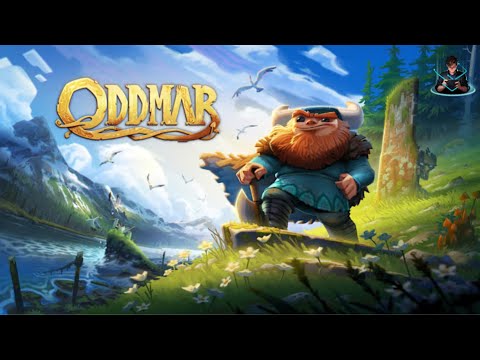
Oddmar+ is, without exaggeration, a console-quality platformer running on a mobile device. The very first thing that strikes you is the presentation. The hand-drawn artwork is vibrant, detailed, and incredibly fluid in motion. It looks like a high-budget animated film brought to life. The story, told through motion-comic cutscenes with excellent voice acting, is genuinely charming and gives emotional weight to Oddmar's journey to prove himself.
Mechanically, the game is a joy to play. Touchscreen platformers often suffer from floaty or imprecise controls, but Oddmar handles beautifully. The gesture-based control scheme is intuitive, allowing for precise jumps, dashes, and attacks. The level design is continually inventive, introducing new mechanics—like riding magical beasts or navigating shifting environmental puzzles—at a perfect pace so the gameplay never feels stale. The boss fights are a particular highlight, requiring pattern recognition and quick reflexes.
If you have a Bluetooth controller, the experience is elevated even further, making it feel right at home on an iPad or Apple TV. It is a brilliant, polished, and masterfully executed game that deserves to be played by anyone who appreciates a good adventure. A true gem of the Apple Arcade library.
I’ll be the first to admit when I’m wrong: I didn't think a mobile platformer could hold my interest for more than ten minutes. Oddmar+ proved me wrong. This is a legitimate game with some of the best art direction I’ve seen in years. It looks like a living cartoon, and the animations are fluid and full of character. It reminds me of the classic Rayman games, which is high praise coming from a guy who’s played them all.
The controls are surprisingly tight for a touch screen, though I’d still recommend a controller for the later, more demanding levels. The level design is varied, mixing traditional platforming with clever physics puzzles. My only real gripe is that it’s too short. Just when you feel like the game is truly hitting its stride, it ends. Still, in a sea of low-effort mobile clones, Oddmar+ stands out as a high-water mark. It’s a conservative 82, only because I wanted more of it.
Performance: Stunning performance; highly optimized for high-refresh-rate screens.
Buy if: You appreciate high-quality art and classic platforming gameplay.
Skip if: You prefer idle games or strictly puzzle-based experiences.
Available on: Mac, Apple TV, iPhone, iPad, iPod
Oddmar+ is a critically acclaimed action-platformer that follows the story of a lazy Viking seeking redemption. Granted magical powers by a mysterious fairy, Oddmar embarks on a gorgeous, hand-drawn journey through Norse mythology-inspired landscapes. Players will run, jump, and fight their way across 24 beautifully crafted levels packed with physics-based puzzles, challenging platforming sequences, and massive boss battles. With tight touch controls, professional voice acting, and a compelling narrative, it stands out as one of the most premium platforming experiences on mobile devices.


It’s hard not to be charmed by Leopold. Most mobile platformers are clunky or rely on endless running mechanics, but Leo's Fortune is a proper game. It reminds me of the classic 16-bit era in terms of its challenge and focus, but with visuals that are genuinely breathtaking even ten years after its initial release. The way Leo moves—squishing and stretching through the environments—is satisfying in a way few mobile games ever achieve. It’s a bit on the short side, and I found some of the late-game physics puzzles more frustrating than clever. If you aren't using a controller, some of the 'Hardcore' segments will make you want to throw your phone. But for a conservative gamer like me who values craft and intentionality, this stands out. It’s not trying to sell you hats or energy; it’s just trying to be a damn good platformer. And it succeeds.
Dinsun here. Now this is more like it. PPKP is a gem. It uses just two buttons—Punch and Kick—but builds a combat system around timing and elemental weaknesses that rivals much bigger titles. The loop of fighting, scavenging for parts, and then eating a bowl of ramen to level up is incredibly satisfying. It’s got that old-school discipline. It doesn't hold your hand, and it rewards players who pay attention to enemy patterns. The art is fantastic if you appreciate pixels. It’s a bit of a grind, but a meaningful one. 82—best thing I’ve played on this list so far.
I grew up with Symphony of the Night, so I have high standards for this franchise. Grimoire of Souls is a weird one. On one hand, seeing all these legendary characters in high-definition 2D-ish art is a treat. The music is, as always, top-tier. But you can still feel the 'bones' of a gacha game underneath. The missions are short and bite-sized, lacking the sweeping exploration of a true Metroidvania. To be fair, Konami did a decent job stripping out the pay-to-win elements for Arcade. You actually earn your gear now through play, which makes it feel like a real game again. The controls are okay on a screen, but if you're serious, you need a controller. It’s a bit grindy, and the story is nonsense even by Castlevania standards. It’s good enough for a fan, but it's a pale shadow of the 32-bit classics. It feels like a museum tour rather than a new adventure.
Look, I get it. It’s bright, it’s poppy, and the kids love it. Crossy Road Castle is a perfectly functional arcade platformer. The controls are tight—which is a rarity for touch-based platformers—and the variety in character unlocks is impressive. In a group setting, the chaos is genuinely amusing for about twenty minutes. It’s the kind of game you pull out during a lunch break or when you’re waiting for a train. But as a 'serious' gamer? There’s not much meat on the bones here. The procedural generation means level design is often repetitive and lacks the intentionality of a true platforming classic. It’s 'fun,' in that sugary, high-fructose way that leaves you feeling a bit empty after an hour. I respect the polish, but don't expect a profound experience. It’s an endless runner in platformer clothing. Good for what it is, but let's not pretend it's a masterpiece.
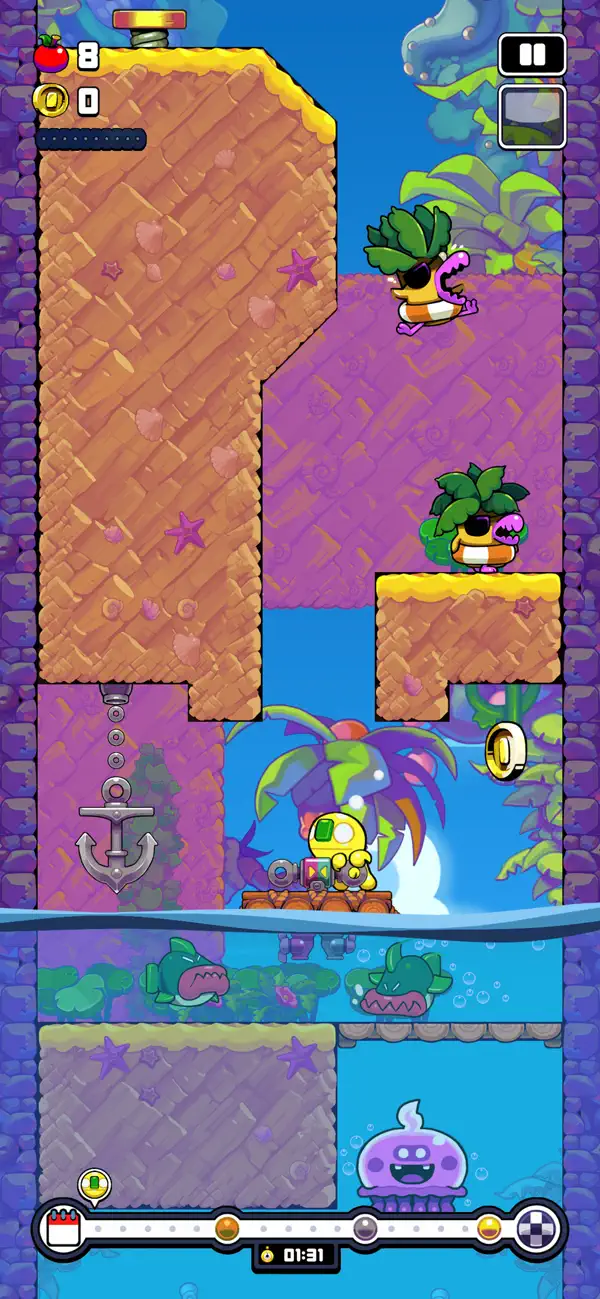
Dinsun here. I’ve always had a soft spot for Nitrome—they know how to make arcade games feel 'crunchy' and satisfying. Super Leap Day is no exception. The jump physics are perfect, which is mandatory when you only have one button to press. The 'new level every day' concept is still the best retention mechanic in the business; it gives you a reason to open the app for ten minutes every morning. However, it can be incredibly frustrating. Because you can't control your horizontal movement, you're at the mercy of the level design. If a trap is timed poorly relative to your spawn, you're going to die, and there’s nothing you can do but try again. The new character abilities add some variety, but it still feels like the same game I played five years ago. It’s a great 'filler' game, but don't expect it to change your life. It’s just good, reliable platforming.
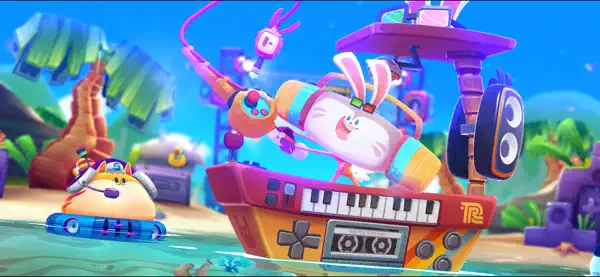
Dinsun's take: I usually avoid anything that looks this bright, but the music creation tool is where the real meat is. The fishing gameplay is fine—standard platforming with a hook—but it's really just a gatekeeper for the sound samples. It’s a bit too 'modern' for my taste with its online sharing focus, but I can't deny the technical polish. The controls are responsive, and the loop-making is intuitive enough even for those of us who didn't grow up with a tablet in our hands. It's a solid production, even if the 'fun' feels a bit manufactured at times.
Dinsun here. Gibbon is what I’d call a 'message game.' It’s more concerned with how it makes you feel about the rainforest than with being a deep mechanical challenge. The swinging mechanic is admittedly very satisfying—when you get into a rhythm, it feels like a more grounded, soulful version of an endless runner. The art is stunning; it looks like a living watercolor painting. However, it's very short. I finished the story in about an hour. While the message is important and handled with more grace than most 'educational' games, it feels like a tech demo for a movement system that never quite evolves. It’s a somber, quiet experience. If you’re looking for a game to 'beat,' this isn't it. If you want to spend an afternoon feeling slightly guilty about palm oil while enjoying some nice visuals, then Gibbon is your game. It’s good, but it’s thin.
Now this is more like it. I remember playing Worms on my PC in the late 90s, and this version actually does the legacy justice. It’s the full W.M.D experience, which means you get the vehicles and the crafting, but on a phone. The touch controls are a bit fiddly when trying to make precise jumps, but the core 'aim and shoot' mechanic works well enough. It’s one of the few games on this list that actually requires a brain. It’s not perfect—the AI can be either braindead or sniper-precise with no middle ground—and the matches can drag on longer than they should for a mobile game. But for a conservative gamer like me, I appreciate that they didn't try to turn it into a gacha game or a battle royale. It’s just Worms. It’s reliable, funny, and satisfying to play.
If you want to get the notification of newest video, feel free to subscribe to our channel