Theme Park 3D is a fantastic simulator for anyone who misses the magic of the carnival. What makes it stand out is the dual-mode gameplay. Being able to operate the machinery—controlling the lights and the brakes—is strangely satisfying, but being able to then 'ride' the attraction in 3D is the real highlight.
The graphics are impressively detailed for a mobile title, and the sound design captures that unique carnival atmosphere perfectly. It’s less of a 'tycoon' game and more of an 'experience' game. If you love rollercoasters and mechanical rides, this is easily the best simulator of its kind on the App Store.
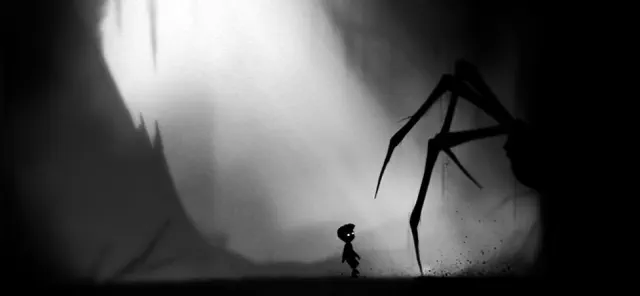
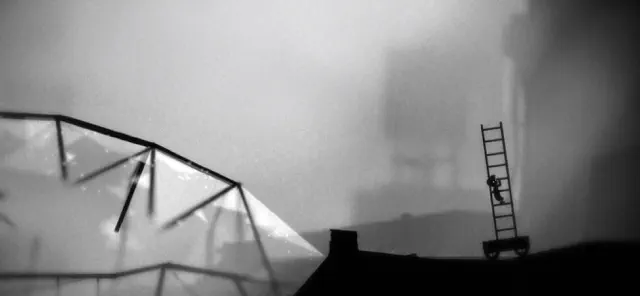
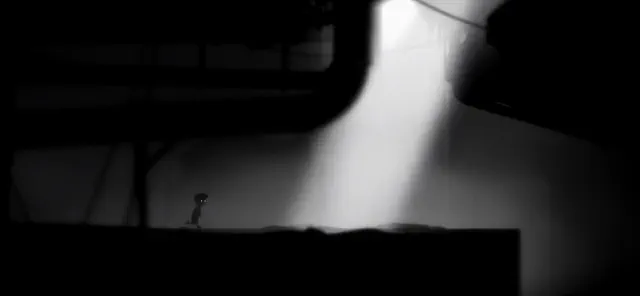
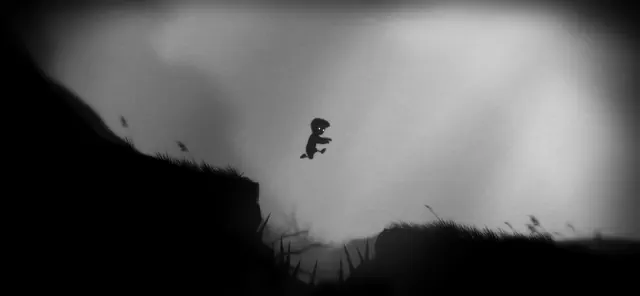
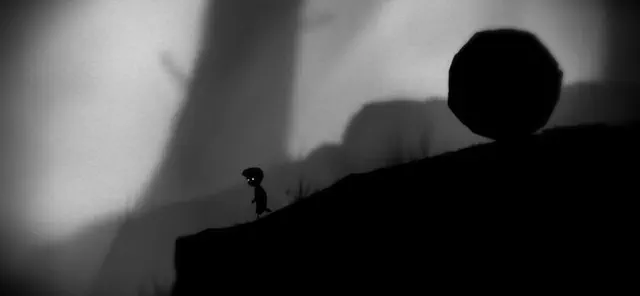
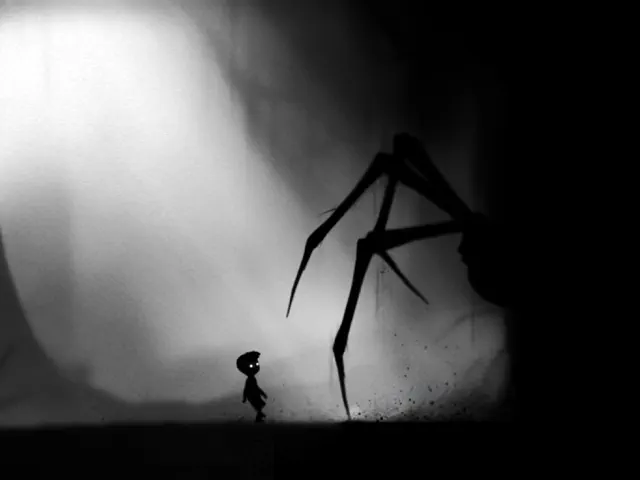
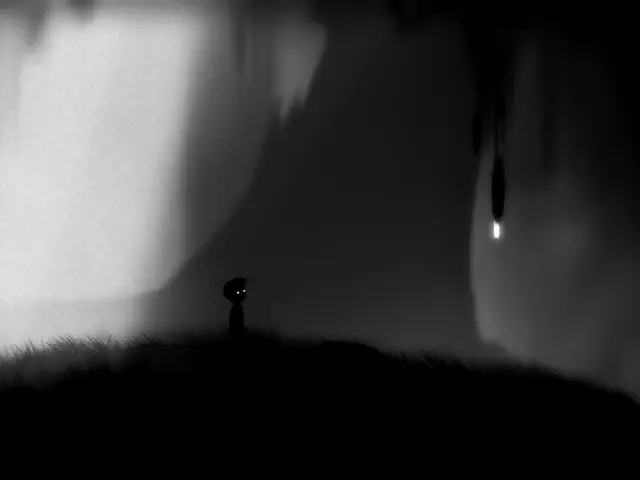
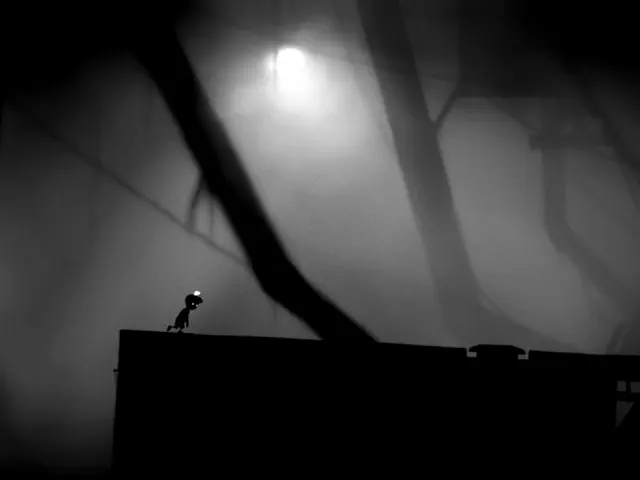
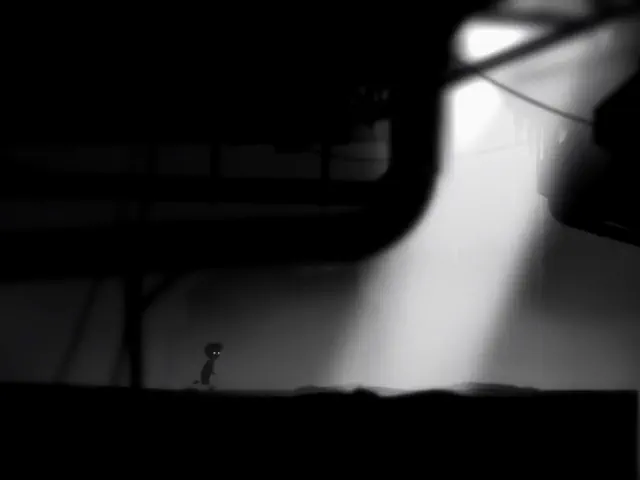
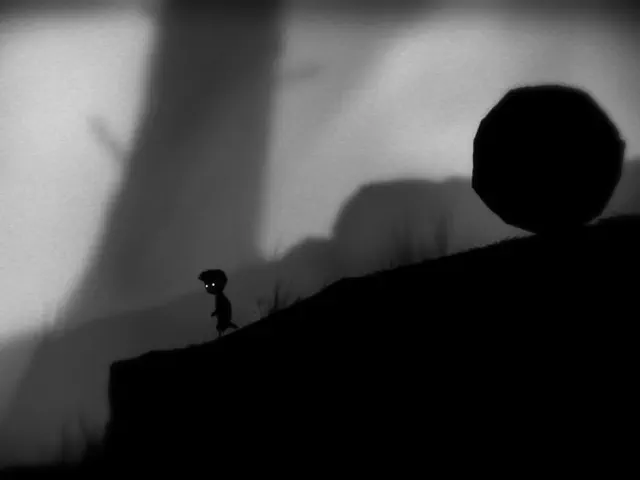
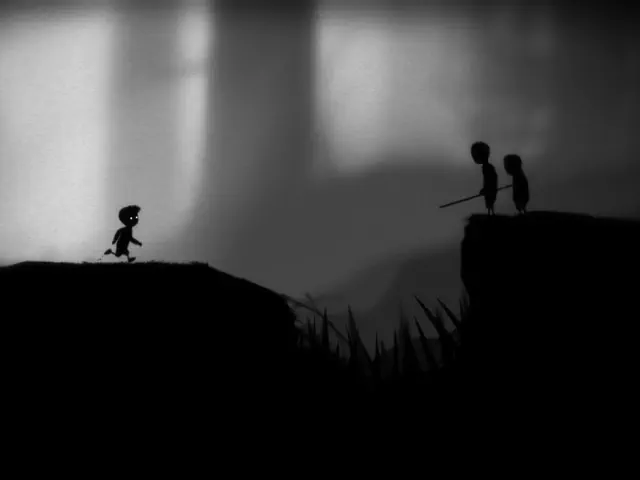
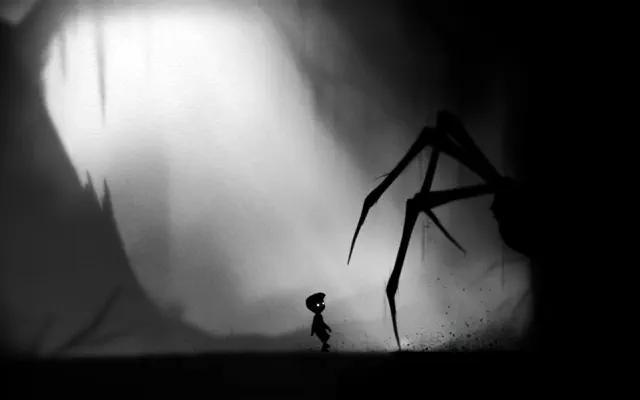
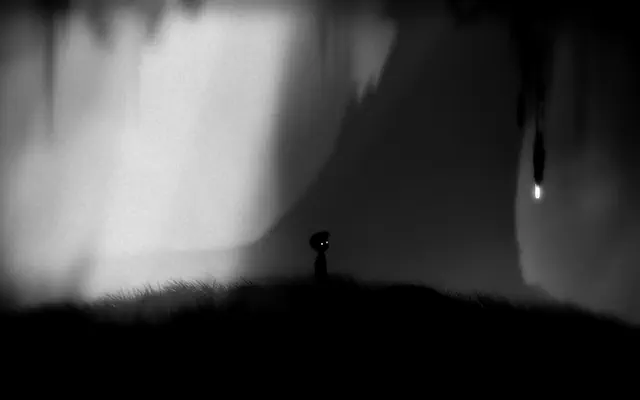
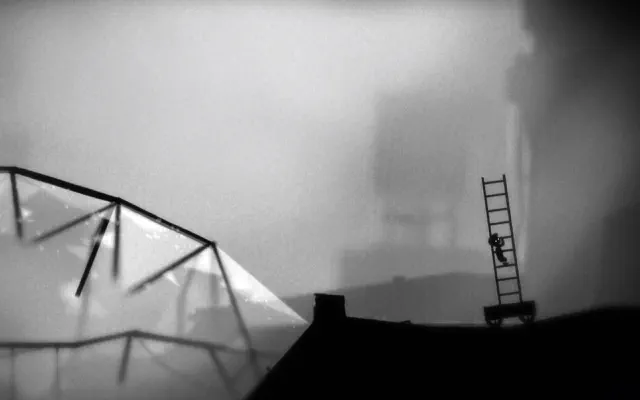
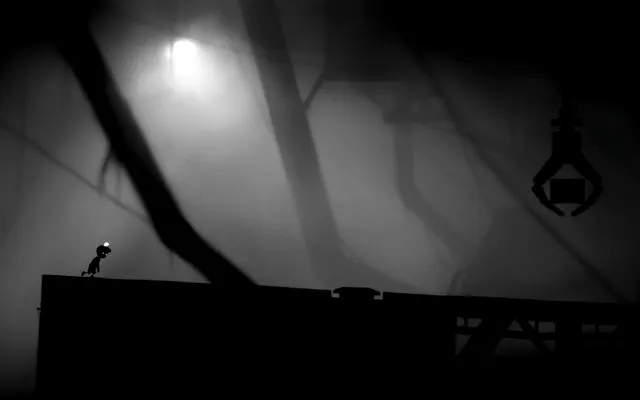
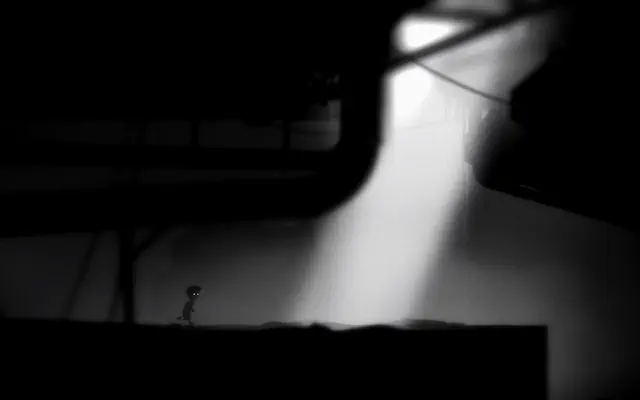
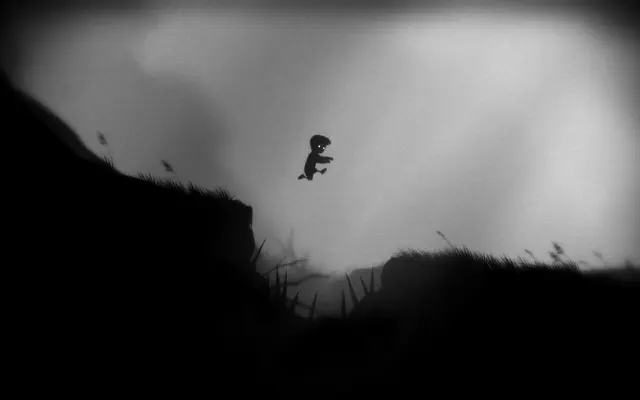
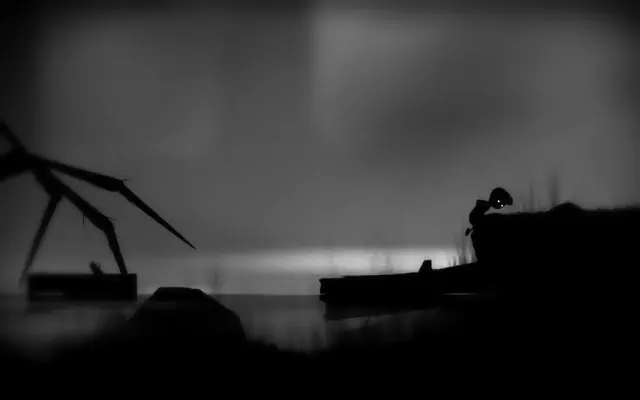
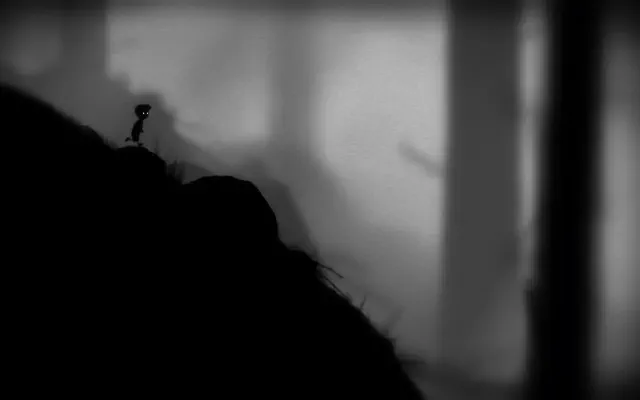
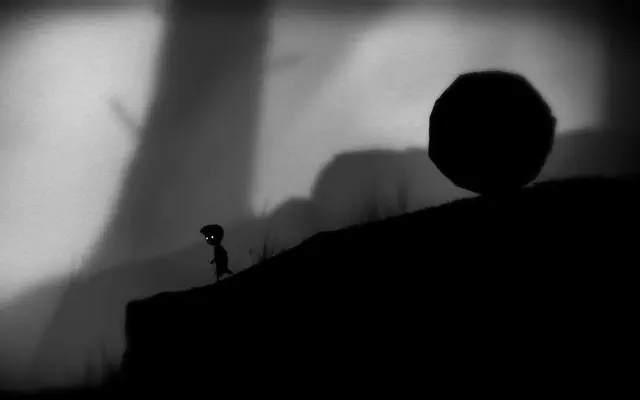
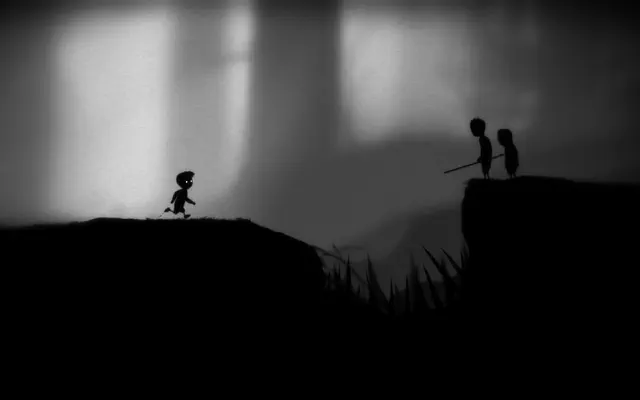
I’ll give credit where it’s due: this is how you do atmosphere without relying on cheap jump scares. The silhouette art style is efficient and effective. The puzzles are logical, though some of the 'trial and error' deaths feel a bit cheap, designed only to catch you off guard rather than test your skill. It’s short, which I appreciate—it doesn’t overstay its welcome. However, once the mystery of the setting wears off, you're left with a fairly standard platformer. It’s a landmark title, but not without its minor frustrations.
Performance: Runs flawlessly. The touch controls are surprisingly decent, though a controller is still better.
Buy if: You appreciate 'art-house' gaming and don't mind a challenge that involves frequent dying.
Skip if: You hate monochromatic visuals or puzzles that require precise timing and repetition.
Available on: Mac, iPhone, iPad, iPod
Theme Park 3D - Fun Ride is an immersive simulator that lets you experience both sides of the amusement park. Act as the operator of various attractions, controlling the speed, duration, and safety features of classic rides. Then, jump into the first-person view to feel the adrenaline for yourself! From Ferris wheels to high-intensity drop towers, you can manage and ride every attraction in your dream park. Complete challenges to unlock new rides and expand your carnival.


Tap the camera icon during any ride to switch to first-person mode. This gives you a true 'rider's view' of the physics and loops.
Dinsun here. As a man in his 40s, this one hits a little harder than most. It’s not really a 'game' in the traditional sense—the puzzles are simple and mostly involve moving hills around. But the narrative, told entirely without words, is powerful. It’s about regret, time, and family. The art style is gorgeous, reminiscent of a hand-painted storybook. It’s short, and it’s not something you’ll play twice, but it’s a journey worth taking. It’s mature, quiet, and meaningful. Something the industry needs more of.
Dinsun here. It’s rare that I give a game this much credit, but Dead Cells is a masterclass in mechanics. Every swing of a sword or roll feels deliberate. It’s punishing, yes, but it’s fair. If you die, it’s because you were sloppy, not because the game cheated. My old reflexes aren't what they used to be, but the controls here are so tight I can still compete. It’s a bit flashy, but the substance is there. It’s the kind of game that reminds me why I started gaming 30 years ago. High quality, no fluff.
Now this is a real game. Little Nightmares was brilliant on PC/Console, and it remains brilliant here. The art direction is disturbing and beautiful, and the sense of scale makes you feel truly vulnerable. It’s one of the few games that actually nails a 'creepy' atmosphere without relying purely on jump scares. The puzzles are well-integrated, though the perspective can sometimes make platforming a bit tricky on a touch screen. My main concern is the controls—virtual joysticks are a poor substitute for a physical controller, especially in high-tension stealth moments. However, if you have a Bluetooth controller, this is an easy recommendation. It’s a complete, artistic experience that doesn't treat the player like a wallet with legs.
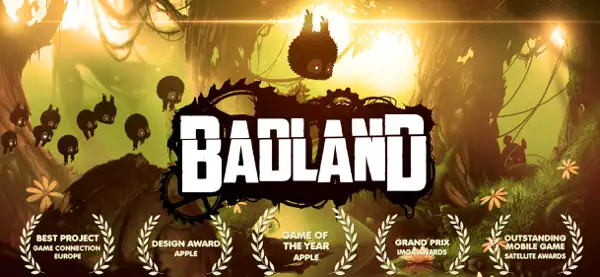
I’ve seen plenty of 'atmospheric' indies try to lean on silhouette art styles to hide a lack of substance, but Badland actually manages to create a cohesive mood. The physics are the real star here; the way your little soot-ball clones clump together and get crushed by rotating gears feels appropriately grim. However, as an older gamer, I find the 'one-touch' control scheme a bit too simplistic for a game that demands this much precision. It often feels like you're fighting the screen movement more than solving a puzzle. The level design is clever for the first hour, but the gimmick of growing and shrinking starts to wear thin when the difficulty spikes. It’s a competent mobile title, but let's not pretend it's a deep platforming masterpiece. It’s better suited for short bursts during a commute than a dedicated gaming session. The multiplayer is a chaotic mess—not my cup of tea, but I suppose it adds some longevity for those who enjoy that sort of thing.
I don't usually go for horror, but this isn't just cheap jump scares. It’s eerie and uncomfortable in the best way. The isometric view works perfectly for the puzzles, and the sound design is genuinely unsettling. It's a short trip, but it leaves a lasting impression. This is how you port a console vibe to mobile.
Dinsun here, and I’ll be the first to admit when I’m impressed. Lost in Play is spectacular. It reminds me of the old LucasArts adventure games, but stripped of the obscure 'moon-logic' that used to drive me crazy. The art style is impeccable—it’s like playing through a Studio Ghibli or Cartoon Saloon film. Every frame is hand-crafted, and the animation is fluid and expressive. The puzzles are clever without being frustrating. They rely on visual cues and logic rather than trial and error. Because there’s no dialogue, the game relies entirely on its charm and visual storytelling, and it succeeds brilliantly. It’s short, yes, but I’d rather have four hours of pure excellence than forty hours of filler. This is the kind of game I keep on my device just to show people what mobile gaming is actually capable of when it isn't trying to pick your pocket.
Monument Valley 2+ is a triumph of art and design, let’s get that out of the way first. It’s one of the few mobile games that I would describe as 'essential' for anyone who cares about the medium. The way it plays with perspective and geometry is brilliant, and the relationship between the mother and child is handled with a subtlety that most big-budget games could learn from. It’s a quiet, dignified experience. But as a gamer, I have to be honest: it’s barely a challenge. Most of the 'puzzles' solve themselves as soon as you start moving the environment around. It’s more of an interactive art installation than a game. And it’s incredibly short—I finished the whole thing in under two hours. For an Apple Arcade title, that’s fine, but as a standalone purchase, it would feel a bit thin. It’s a high-quality, conservative 80 because while it’s perfect at what it does, it doesn't do nearly enough of it.
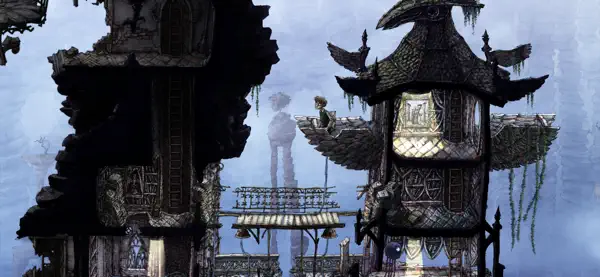
Now this is a real game. Amanita Design has a specific 'vibe,' and Creaks is their most refined work yet. It’s a puzzle game that respects the player’s intelligence—no hand-holding, no constant hints. The 'pareidolia' mechanic, where monsters turn into furniture in the light, is brilliant. It’s consistent, fair, and every solution feels earned. The art is stunning; it looks like a haunted storybook come to life. My only complaint is that once you solve a puzzle, there's zero reason to go back. But for those 8-10 hours, it’s a masterclass in atmospheric design. I don't give scores this high often.
If you want to get the notification of newest video, feel free to subscribe to our channel