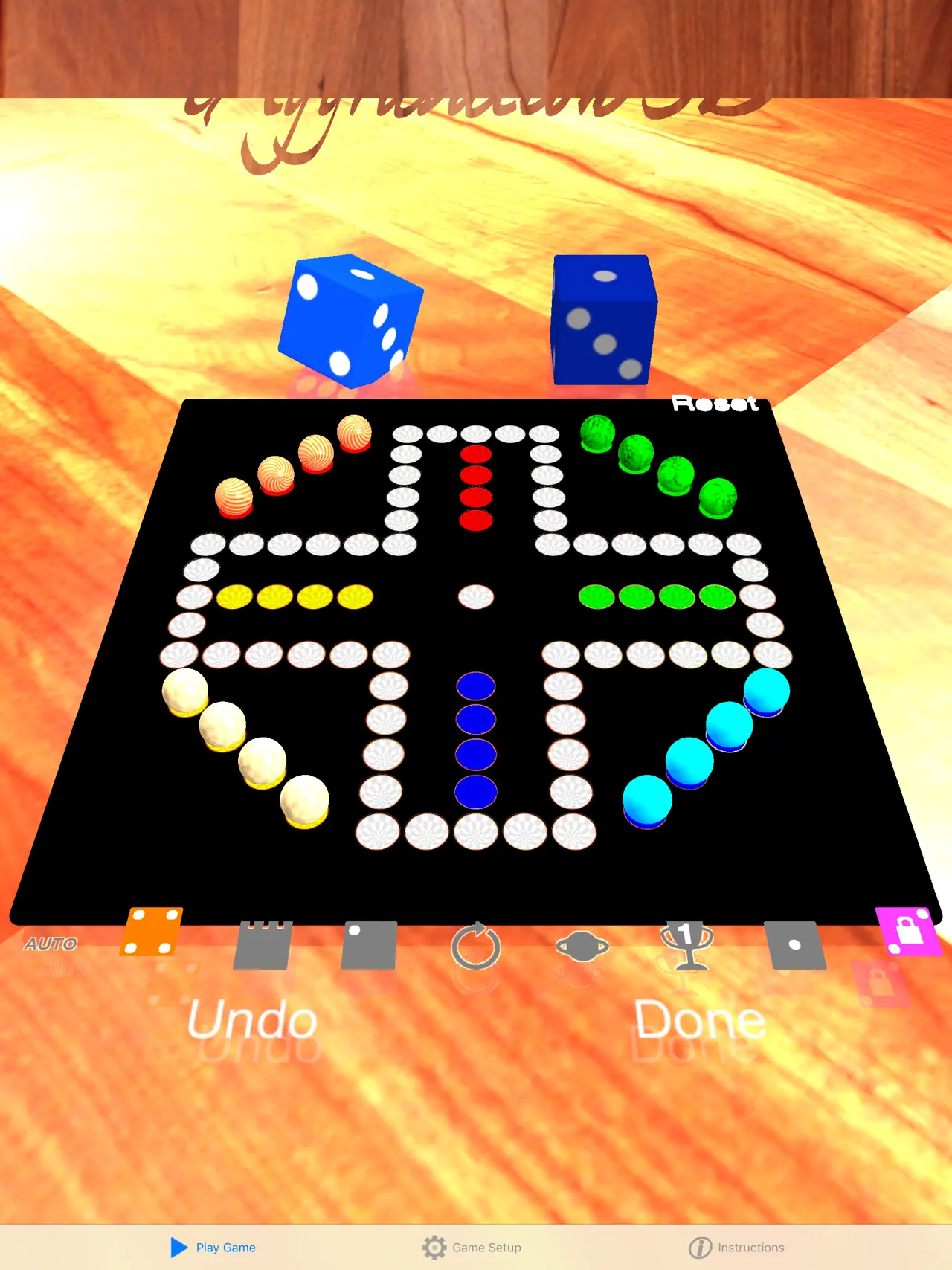
iAggravation is a digital love letter to the classic marble board game. Its greatest strength is its versatility; supporting up to 8 players on a single device makes it a fantastic 'pass-and-play' option for family gatherings. The developer's personal touch—including a digital version of a board actually built by his grandfather—gives the app a nostalgic charm that generic board game apps lack.
The recent transition to SwiftUI has modernized the interface, though the core gameplay remains the delightfully frustrating 'aggravation' of sending an opponent back to base right as they reach home. While it lacks a polished online matchmaking system, the inclusion of peer-to-peer play and highly customizable house rules (like using one or two dice) makes it a solid choice for fans of traditional board games like Parcheesi or Ludo.
Dinsun here. I grew up playing Aggravation on a wooden board, and while I appreciate the effort to bring it into 3D, I'm not sure it was necessary. The camera controls are a bit fiddly, making it harder than it should be to just see where everyone is on the board.
The core game is as frustrating and fun as ever—nothing beats sending a friend back to base right before they win—but the digital implementation feels a bit amateurish. The 3D models are basic and the sound effects are grating after ten minutes. It’s functional, and if you have a group of friends who want to play remotely, it does the job, but it lacks the polish of other digital board game adaptations like those from Marmalade or Asmodee.
Performance: Occasional frame drops on older devices; UI isn't optimized for smaller screens.
Buy if: You have a group of friends who specifically want to play Aggravation together online.
Skip if: You want a high-quality, polished digital board game experience.
Available on: iPhone, iPad
Version 26.0Wed Oct 01 2025
New App Icon
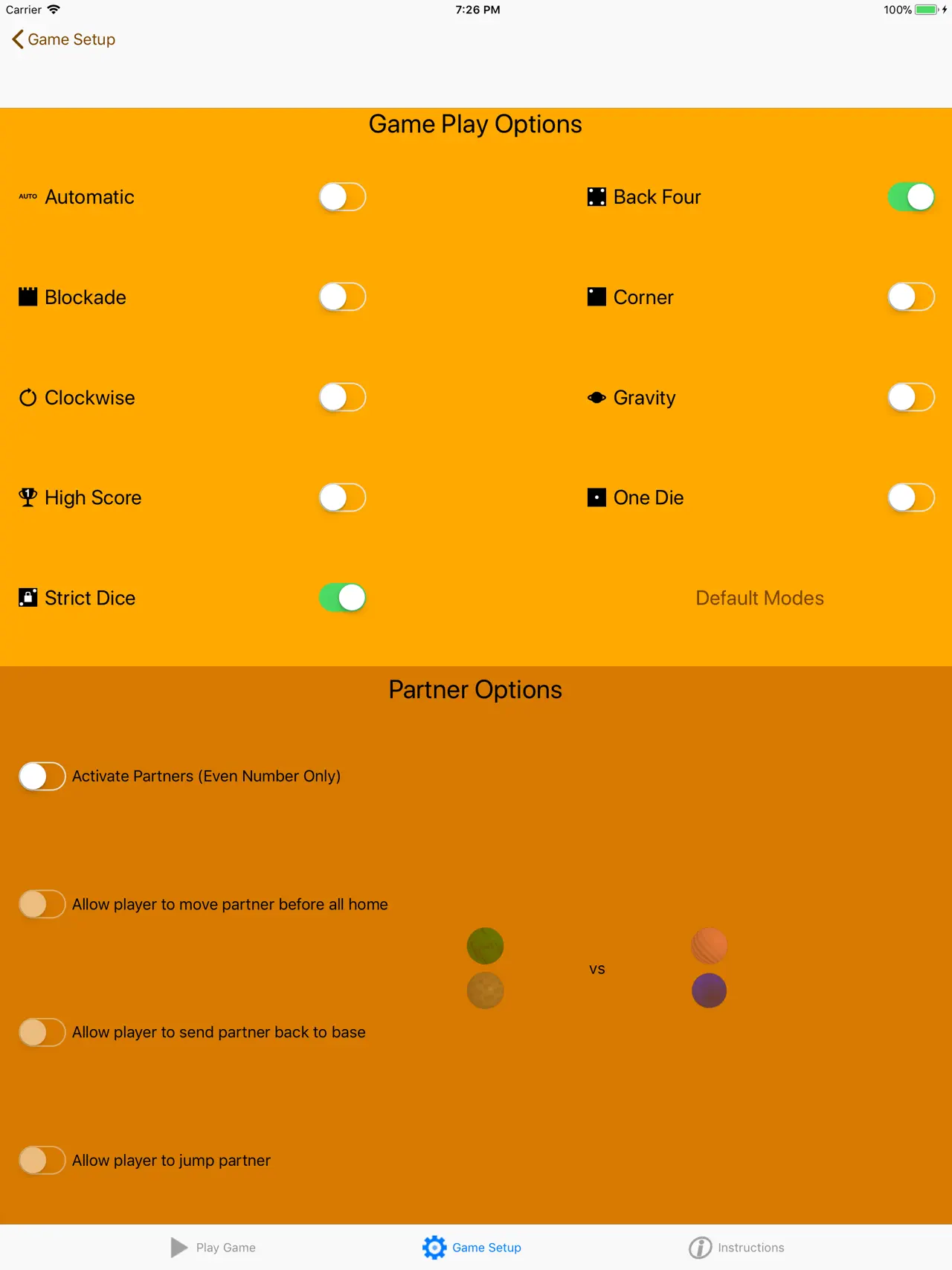
The game iAggravation 3D is a marble board game for 1 to 4 players. Players share a single device. The objective is to advance all of your marbles around the board to your home position from the base position. Marble movement is based on the roll of two dice. Landing on your opponent's marble sends it back to their base position. The player type can be human or computer. There are selectable variations: one die, two dice, blockade, back four, corners, automatic modes and more.
Requires iOS 26.0 or later. Compatible with iPhone, iPad, and iPod touch.The game iAggravation 3D is a marble board game for 1 to 4 players. Players share a single device. The objective is to advance all of your marbles around the board to your home position from the base position. Marble movement is based on the roll of two dice. Landing on your opponent's marble sends it back to their base position. The player type can be human or computer. There are selectable variations: one die, two dice, blockade, back four, corners, automatic modes and more.


iAggravation brings the traditional marble-and-dice board game to iOS. Players roll dice to move four marbles around the board, aiming to reach the home safety zone while 'aggravating' opponents by landing on their spaces to send them back to the start. Features include multiple board styles (Classic, Space, Party), customizable rules, and support for up to 8 human or computer-controlled players.
1-8 player local multiplayer
Challenging computer AI
5 distinct board themes
Customizable house rules
Peer-to-peer connectivity
Customize your game with options for 'Blockades', 'Back Four', or using playing cards instead of dice for movement.
Yes, the game supports up to 8 players sharing a single device.
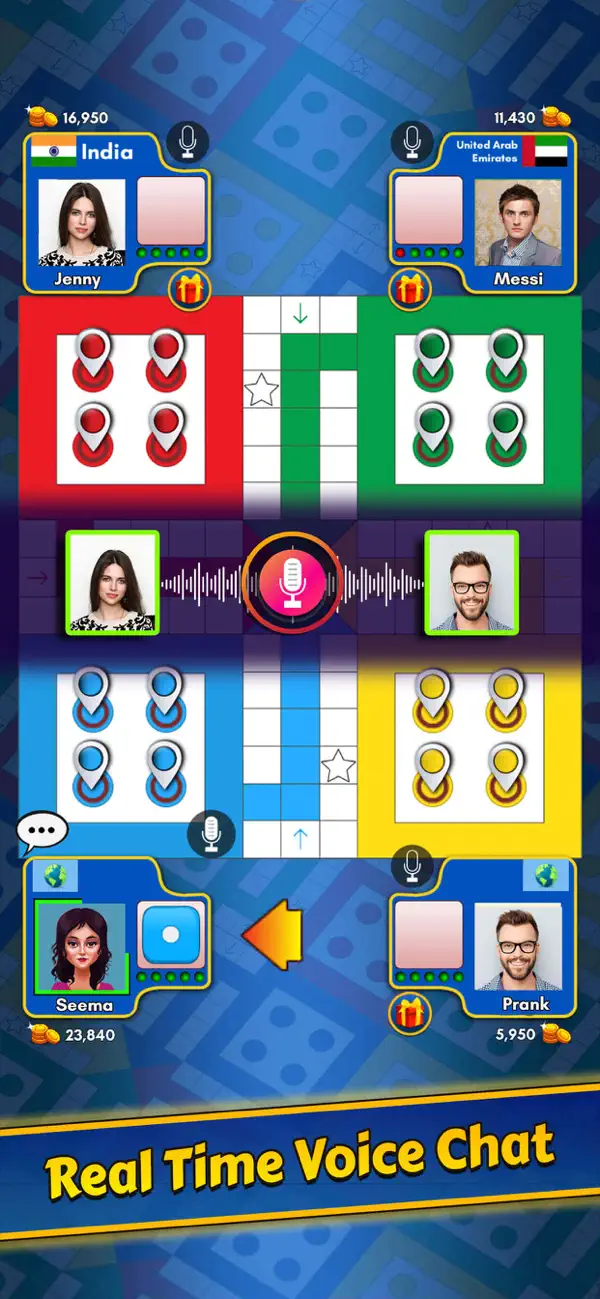
I don't understand the obsession with Ludo King. It’s a game of 95% luck and 5% decision-making. The app itself is an absolute mess of flashing lights, aggressive ads, and unnecessary 'themes'. It feels more like a slot machine than a board game. Yes, it’s popular. Yes, you can play with your grandma in another country. But as a 'game', it’s bottom-tier. The dice rolls often feel rigged to keep games close, and the UI is cluttered with social media junk. It's the junk food of the App Store—satisfying for some, but I'd rather starve.
Dinsun here. There isn't much to dissect with a game like this. It is Chickenfoot Dominoes. If you don't know what that is, this app makes zero effort to convince you to care. If you do know what it is, it provides a perfectly serviceable, albeit visually drab, way to play it against the computer. As a digital product, it lacks any modern polish. The UI looks like it was designed in 2010, the sound effects are generic 'clacks', and there is no robust online multiplayer community. It serves purely as a utility for people who already love the game but don't have a table or a set of physical dominoes handy. It gets a 55 because it functions without crashing, but it is entirely devoid of ambition.
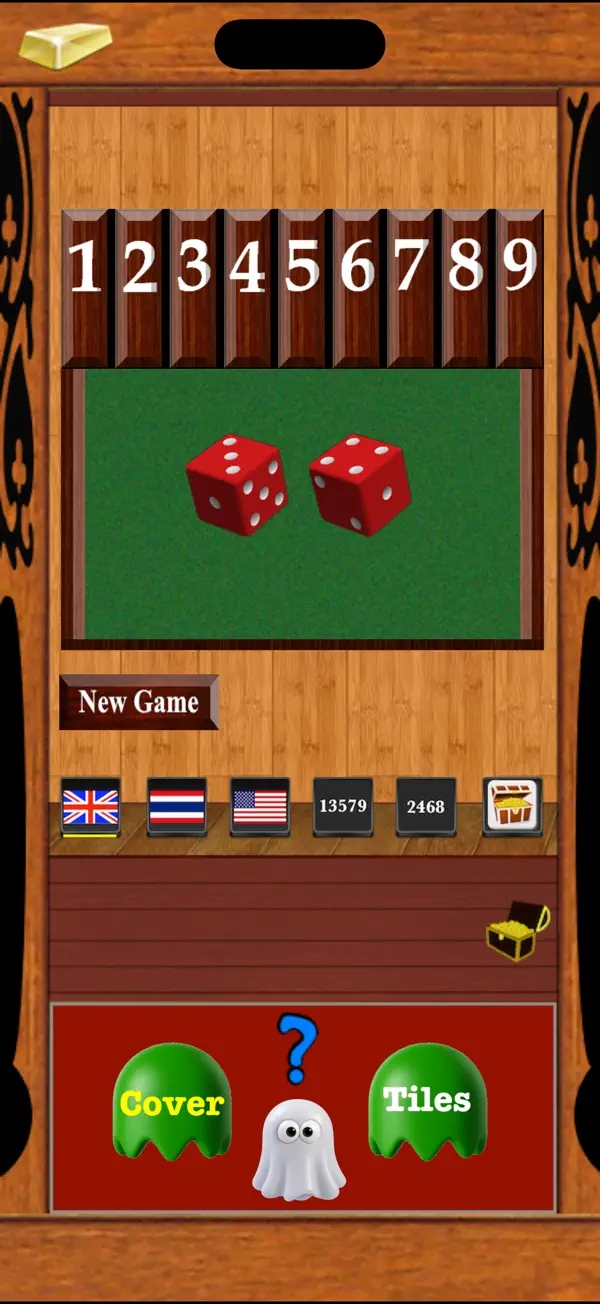
Shut the Box is barely a video game. It’s a math exercise wrapped in a gambling skin. This app does a fine job of presenting it—the animations are smooth, and the wood-clack sound effects are satisfying enough. But let’s be real: this is a game you play for two minutes while waiting for your order at a restaurant. There’s no depth here, just basic probability. I give it points for being honest and staying away from microtransactions, but I struggle to find a reason to recommend it over just carrying a deck of cards or a pair of dice. It’s fine. It’s 'Classic.' But it’s also fundamentally limited. If you love the bar game, you'll like this. If you’re looking for 'entertainment,' you’re in the wrong place. It’s a well-made digital representation of a very simple thing.
I don't understand the point of this. If I want to play Aggravation, I'll pull the board out of the closet. This app does the bare minimum to put the game on a screen. The dice rolls feel 'weighted'—though I'm sure it's just bad RNG—and the animations are so slow they make a 15-minute game feel like an hour. There is no charm here. No clever touches, no interesting variations. Just a flat, lifeless board. Why would anyone pay for this when there are a million better Ludo-style games for free? It’s a lazy cash-grab targeting people who recognize the name from their childhood. Don't fall for the nostalgia.
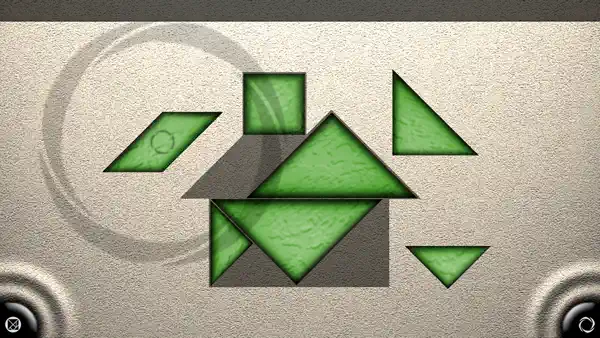
I rarely use the word 'relaxing' for a game—usually it’s just a euphemism for 'boring'—but Tanzen actually earns it. It’s a very clean, dignified way to engage your brain without the stress of timers or flashiness. The tangram puzzles are classic for a reason, and the digital implementation here is precise. My only gripe is that it can feel a bit repetitive after a long session; once you know the trick to a specific shape, the challenge evaporates. It’s also very visually bare-bones, which fits the 'Zen' theme, but I wouldn't have minded a bit more atmosphere. It’s good software for a specific mood, even if it’s a bit one-note.
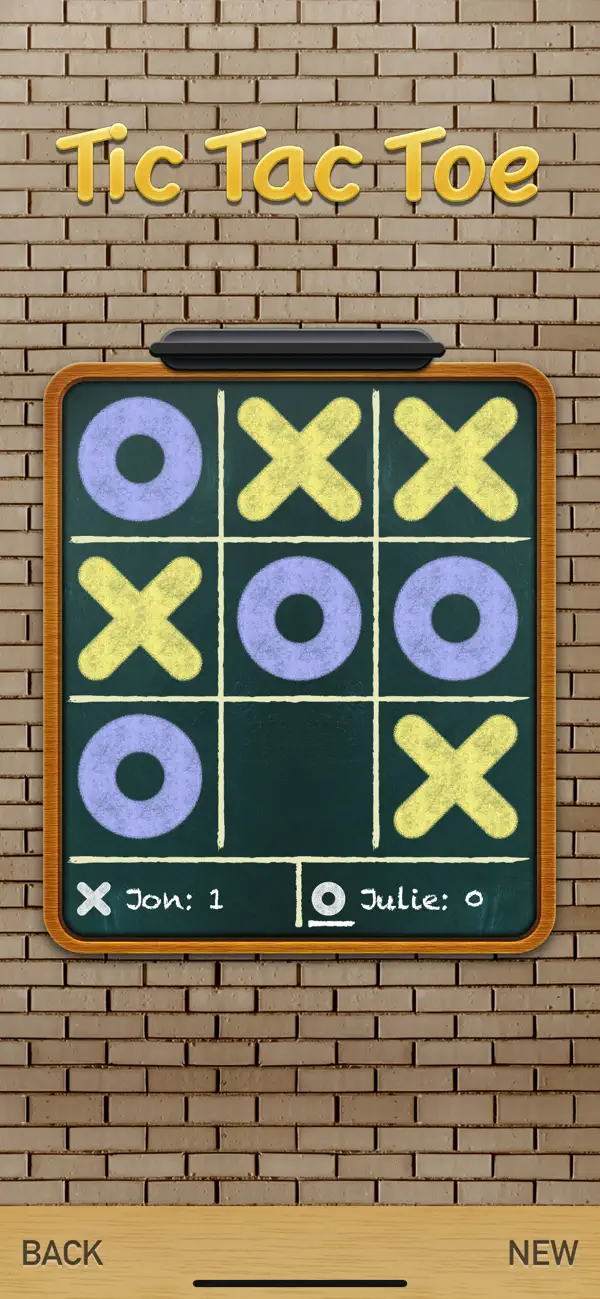
This is just the other Tic Tac Toe game but with a 'Pro' sticker and a price tag. Yes, it’s ad-free, but why are you paying for something you can play with a stick in the dirt? The themes are basic, and the 'global leaderboard' for a game where every player can easily force a draw is a joke. It’s slightly better than the free version because it doesn't harass you with ads, but it’s still fundamentally a non-game for anyone with a developed brain. It’s a waste of money, no matter how cheap it is. I can't in good conscience give a high score to something so devoid of value.
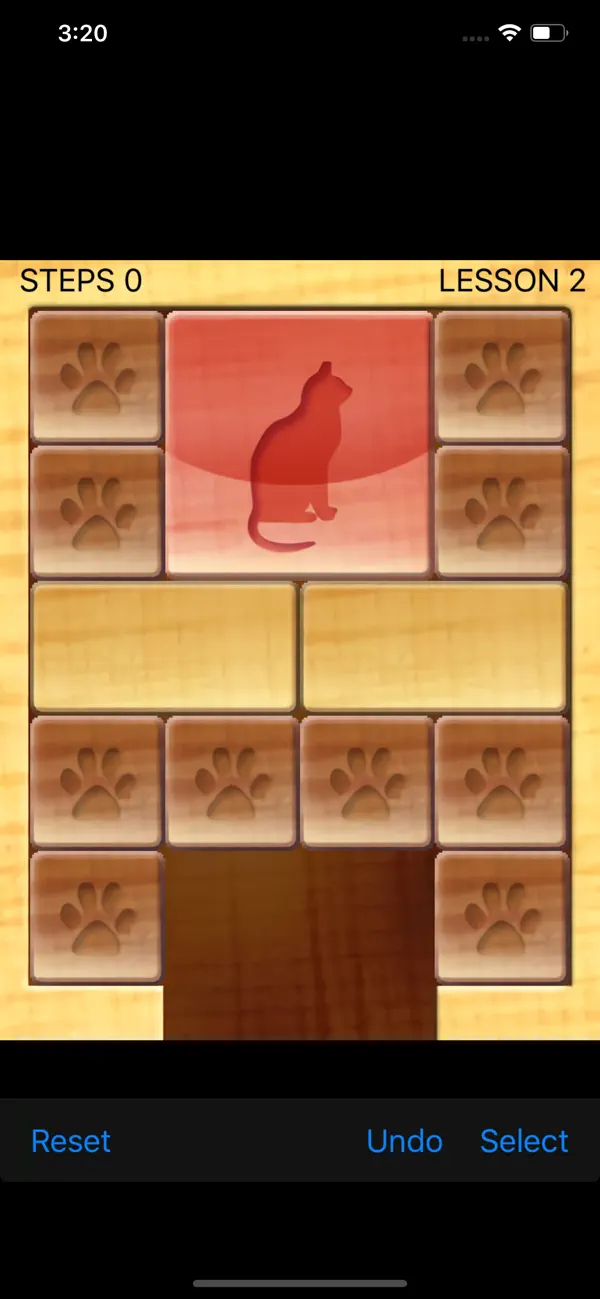
I’ve seen this song and dance a thousand times. You take a cute animal, put it in a precarious situation, and call it a game. As a gamer who’s been around since the arcade days, I need more than a 'meow' to keep me interested. The puzzles here are rudimentary at best. You spend most of your time waiting for physics to settle or doing chores that the game considers 'gameplay.' It feels more like a tech demo for touch sensitivity than a fully realized experience. The difficulty curve is non-existent for the first half, and when it does spike, it’s usually due to finicky controls rather than clever design. It’s functional, sure, but in a market saturated with physics puzzles, there is absolutely nothing here that stands out. It's the kind of experience that occupies your hands but leaves your brain completely idle. If you're over the age of ten, you'll likely find the whole affair patronizing.
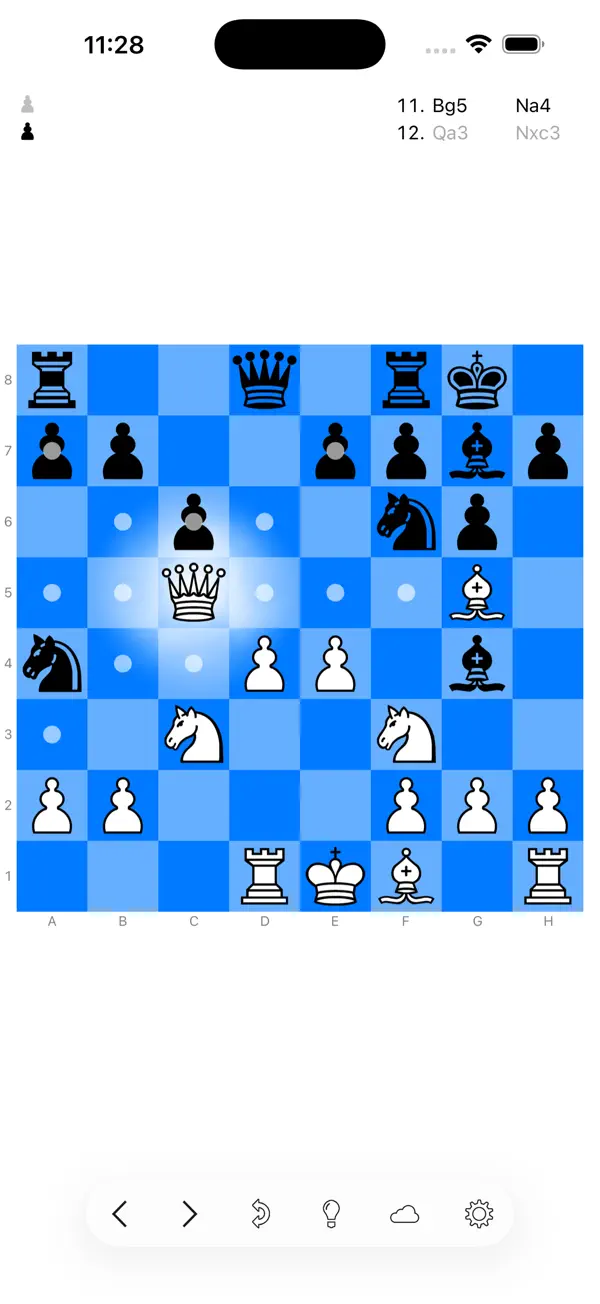
Now this is more like it. Chess doesn't need flashy animations or battle passes; it needs a solid engine and a readable board. tChess Pro delivers on the fundamentals. The AI doesn't feel like it's cheating—it just plays a tight game, and the scaling is actually meaningful. As someone who appreciates logic and strategy, I find the analysis tools quite useful for post-game review. That said, the interface is looking a bit long in the tooth. It feels like software from a decade ago. It works perfectly, but in a world where 'Chess.com' has polished every corner of the experience, tChess Pro feels like a relic for the old guard. It’s reliable and offline-capable, which I respect, but it won't win any design awards. If you want a distraction-free board, this is a solid choice, even if it lacks the social features modern players crave.