Tower of Nod is an atmospheric triumph that feels like playing through a melancholic dream. The central mechanic—flipping between the 'Normal' and 'Shadow' versions of the tower—is used with incredible creativity. It’s not just about revealing platforms; it’s about changing the physics of the world. The low-gravity jumps on the upper floors are beautifully floaty, making the vertical ascent feel increasingly ethereal as you climb higher.
The visual style is stark and poetic, using a limited color palette that makes the light and shadow contrast pop. There’s a certain stillness to the game that is rare in platformers; it encourages you to stop and look at the shifting architecture. The narrative is told in cryptic, poetic snippets that leave just enough to the imagination to make the summit feel profoundly significant. It’s a challenging, thoughtful, and hauntingly beautiful experience that stays with you long after you 'wake up.'
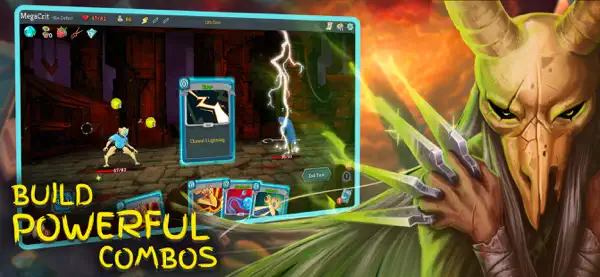
I wasn’t expecting much, but Tower of Nod actually surprised me. It’s a solid roguelike deckbuilder that doesn't just copy Slay the Spire. The 'dream' mechanic adds a layer of planning that I haven't seen before—you have to decide when to 'wake up' and face reality or stay in the dream for better rewards but higher risk. It's the kind of strategic depth I crave.
The art style is fantastic—dark, moody, and consistent. The balance is a bit off in the later floors (some relics are definitely over-tuned), but the core loop is very satisfying. It’s a premium game without a hundred IAPs, and for that alone, it deserves respect. If you like card games and want something you can actually sink your teeth into on mobile, this is the one.
Performance: Runs perfectly on modern iPhones. No major bugs found.
Buy if: You love Slay the Spire or Monster Train and want a high-quality mobile alternative.
Skip if: You hate RNG or don't enjoy card-based combat.
Available on: iPhone, iPod
Version 1.2.0Sat Nov 09 2024
Added additional climb room layouts
Requires iOS 13.0 or later. Compatible with iPhone, iPad, and iPod touch.Tower of Nod is an action-roguelike deckbuilding platformer that combines precision platforming with unique sleep-based controls. You play as a Hero, able to manipulate falling blocks while asleep, building your way upwards in a constantly shifting tower filled with peril and mystery. Every run brings new challenges, treasures, and surprises in this one-of-a-kind roguelike adventure.
Alternate between guiding your Hero through dangerous traps and monsters, and entering the Dream Phase, where you control falling blocks to create a safe path forward. Tower of Nod offers a blend of platforming and puzzle-solving, requiring quick reflexes and strategic thinking to conquer each floor.
Key Features:
Unique Sleep-Based Controls: Manipulate blocks and build your path while in the Dream Phase. Use springs, healing auras, balloons, and other abilities you encounter to your advantage, but beware of deadly traps like bombs and flamethrowers.
Roguelike Elements: Every climb is different with procedurally generated floors of carefully crafted hazards. Discover new block types, relics, and enemies with each attempt.
Deckbuilding Mechanics: Assemble a library of powerful relics and blocks as you ascend, and combine them to create powerful synergies for a greater chance at survival.
Challenging Precision Platforming: Leap through traps, dodge monsters, and outmaneuver rising lava as you race to reach the top of the tower.
Eerie Fantasy-Horror Atmosphere: Immerse yourself in a dark and mysterious world challenging both your skill and courage. Throughout your climb, encounter unique individuals that breathe life into the tower's haunting secrets.
Do you have the skill to climb the ever-shifting Tower of Nod and reveal its hidden treasures?
The end is nearly in sight… keep climbing!


Tower of Nod is a visually striking platformer set in a world between dreams and reality. You play as a small spirit climbing a shifting, impossible tower. The game's primary mechanic involves switching between the light and shadow versions of the tower to reveal new paths. With its haunting soundtrack and poetic narrative, Tower of Nod is a journey of discovery and perseverance through a series of increasingly difficult vertical puzzles.
Unique Shadow-swap Mechanic
Ethereal Visual Style
Challenging Verticality
Deep, Philosophical Story
The higher you go, the lower the gravity. Adjust your jump timing to account for the longer air-time on the upper floors.
No, the game is focused almost entirely on movement and environmental puzzles.
Now, this is a real game. No fluff, no microtransaction nonsense, just pure mechanical brilliance. Slay the Spire is built on a foundation of iron-clad logic. Every card you add to your deck matters, and every relic you pass up could be your undoing. It's a game about consequence, something many modern mobile titles are afraid to touch. The balance between risk and reward—whether to elite-hunt for relics or play it safe at a campfire—is perfectly pitched. My only real gripe here is the port itself. While the gameplay is untarnished, the UI on a standard phone screen feels like it was designed for someone with much smaller fingers than mine. Selecting the right card in a full hand can be finicky, and the text can be a strain. However, once you’re in the flow, these issues fade. It’s a conservative design in the best way: it trusts the player's intelligence. It’s hard, it’s fair, and it’s arguably the best strategic use of your time on the platform.
I’m a sucker for a good deck-builder, and Night of the Full Moon is one of the best on the platform. It takes the Slay the Spire formula and wraps it in a hauntingly beautiful aesthetic that actually feels unique. The card synergies are tight, the class variety is genuinely impressive, and the 'choices' you make during events actually feel like they have weight. What I appreciate most is the lack of predatory BS. It’s an offline-friendly game with a very fair monetization model. You buy the game/classes, and that's it. No energy meters, no constant pop-ups. It respects my time and my intelligence. The difficulty can be a bit wonky—some bosses will end your run in two turns if you don't have a perfect build—but that’s the nature of the beast. If you have any interest in card games, this is a must-own. It’s sophisticated gaming on a handheld scale.
I grew up during the 16-bit wars, and I remember the original Gargoyles being notoriously difficult. This remaster doesn't fix the underlying clunky platforming or the frustrating hitboxes. The new visual overlay is fine, I suppose, but it lacks the soul of the original sprites. It’s a very short game, easily beatable in an afternoon if you have the patience for the archaic design. Modern players will likely find the lack of checkpoints and the stiff movement unforgiving. For an old-timer like me, it’s a brief hit of nostalgia that wears off before the second level is over. It’s functional, but it’s a relic of an era that has been surpassed in every technical way.
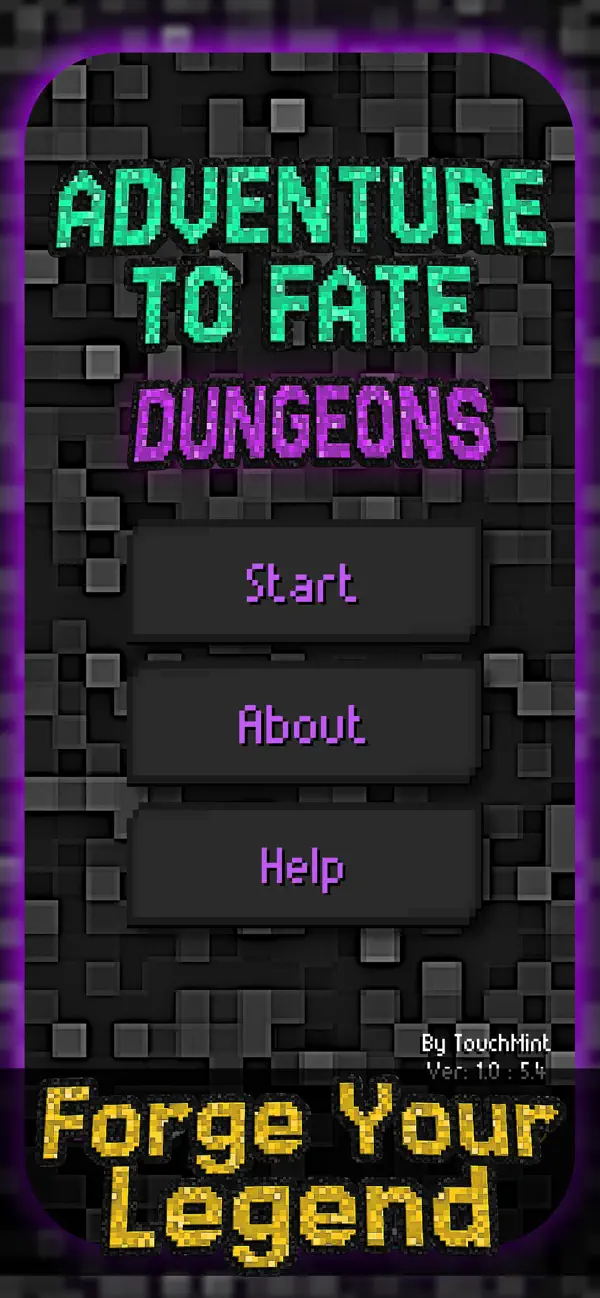
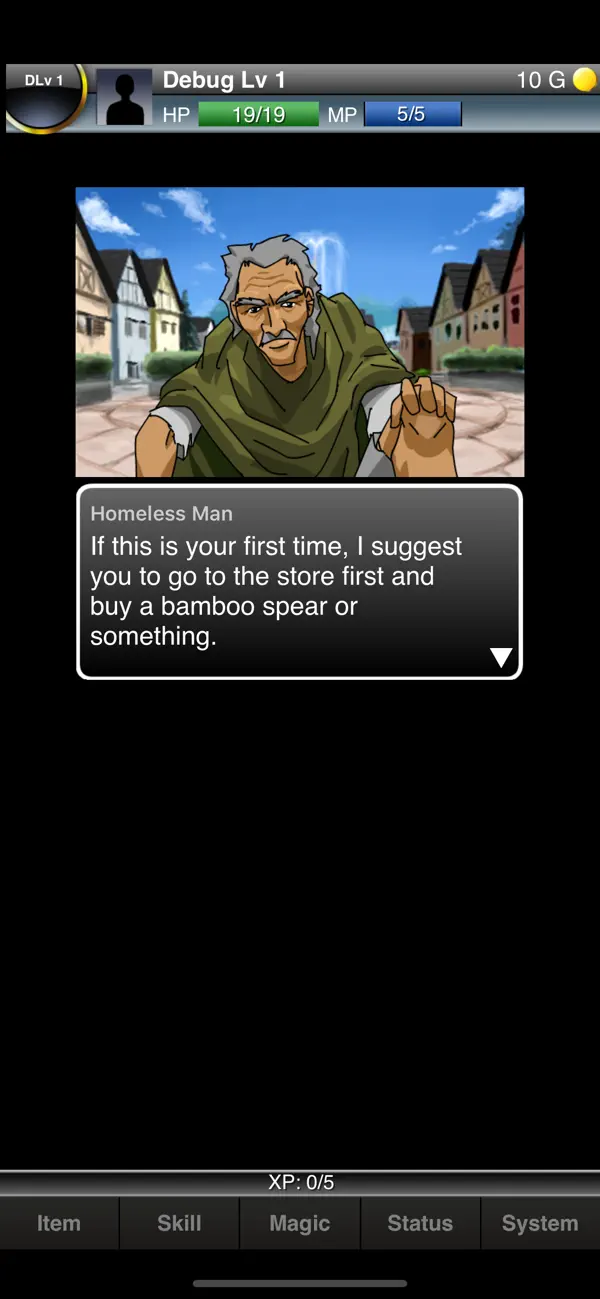
Look, I’ve seen enough flashy gacha RPGs to last a lifetime. Adventure to Fate: Dungeons is a breath of fresh air because it actually cares about being a game, not a gambling simulator. It’s got that old-school vibe where your stats actually matter and a bad turn in combat means something. The visuals are simple—bordering on basic—but the systems underneath are robust. What I find most impressive here is the commitment to accessibility. It’s rare to see an indie dev put this much work into VoiceOver support. However, from a purely critical standpoint, the loop can get repetitive, and the narrative is mostly just flavor text for the next floor. It’s a 'spreadsheets and strategy' kind of game. If you need cinematic flair, look elsewhere. If you want a solid RPG to play in 10-minute bursts, this is a decent pick.
I’m an old-school D&D player. I like the weight of real dice in my hand. That said, I can appreciate the utility of a digital roller for when you're traveling. Pip is definitely the best-looking one I've seen. The physics are surprisingly convincing—the way the dice bounce and settle feels 'right.' It doesn't feel like a cheap random number generator. But here’s the problem: there are a dozen free apps that do the exact same thing. Pip tries to sell you on the 'premium' experience with its textures and lighting, but at the end of the day, it’s just a dice roller. It doesn't integrate with character sheets or manage campaigns. It’s a very narrow tool. If you’re a stickler for aesthetics and don't mind paying for them, you'll be happy. For everyone else, it’s an unnecessary luxury. It’s the definition of 'over-engineered' for such a simple task.
I’ve been crawling through digital dungeons since the 80s, and Dungeons & Such is... fine. It hits all the notes you expect: there's a sword, there's a monster, there's a staircase. The pixel art is okay, but it’s that modern 'retro' style that feels a bit forced. The combat is predictable and the loot isn't particularly interesting. It lacks the atmosphere of a true classic like Rogue or even the early Wizardry games. It’s a decent time-sink, but it doesn't do anything to advance the genre or offer a unique perspective. It’s a conservative, by-the-numbers RPG. If you're starving for a dungeon fix, it'll do, but don't expect it to stay on your phone for long.
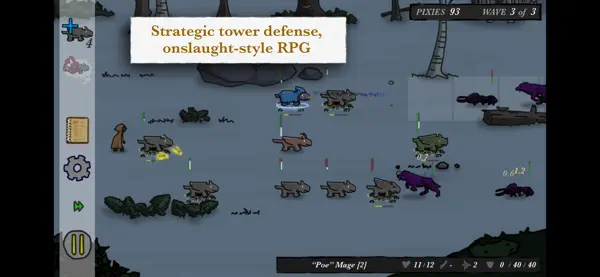
Battleheart is probably the only game on this list I’d call a must-play. It’s elegant. The line-drawing mechanic is intuitive and gives you a level of tactical control that most mobile RPGs lack. It’s not just about stats; it’s about positioning and timing. The art style is cute, sure, but the underlying systems are robust. I spent hours tweaking my party composition to beat some of the later bosses. It feels like a 'real' game, not just a mobile time-waster. It has actual progression, actual strategy, and it doesn't try to nickel-and-dime you. It’s a bit old now, and the sequel is out, but the original still holds up as a masterclass in mobile game design. If you haven't played it, you’re missing out on one of the few high-water marks of the platform.
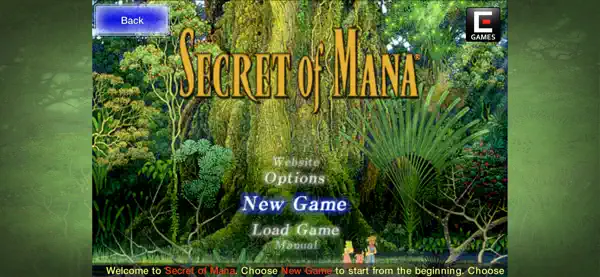
If I were reviewing the original SNES version, this would be near a 90. But we’re talking about the mobile port, and Square Enix still hasn't figured out that virtual joysticks are a poor substitute for a real D-pad. The Ring Command menu system, which was revolutionary in the 90s, feels slow and clunky here. Combat is still great, but missing a hit because your thumb slipped is the height of gaming frustration. The music, however, is still some of the best ever composed. The colors are vibrant, and the story holds up surprisingly well for its age. It’s a long, meaty RPG that doesn't hold your hand, which I appreciate. But unless you’re using a Bluetooth controller, you’re playing an inferior version of a great game. It’s a classic, sure, but it's a classic that belongs on a console.