★★★★★ Great game
Thu Jan 17 2019 IkspankdatbootyI started playing this game around the time it was first developed and quickly became addicted. I haven’t played for awhile and recently reinstalled the app and had to make a new account. At first the game seems kind of boring but it is a great way to pass time and it is semi-competive. I have not encountered any glitches while playing. The only thing that i do not like is running out of stamina fairly quickly. I can’t recall it being that way years ago, but I carry around 3-8 items of crafted food which is enough to get through the trails and leave plenty of space to collect and not worry about your items being taken. I believe it is very easy to level up and collect items ( I traveled 3-4 camps in less than a day) and I often fill up town crates on my own (more chits for me). Overall 9/10 gameplay would be better in terms of towns. I wish they would make the rooms in the houses bigger, so more furniture would fit without looking rather crowded. In addition, being able to vote on how town gold is spent would be beneficial. It would be easy for the developers to be money hungry and make it difficult to reach high status without paying money but not the case here. Everything you can buy with real money can be earned in the game. You can easily get 5+ favors a day by playing and the highest price i have encountered is 50 favors. In comparison with other games this is exceptional. Town gold is easy to earn as well by filling up crates. Like many things the game probably isn’t for everyone but definitely worth a try!
★★★★★ The best!!! Pls Read
Fri Feb 14 2020 molly meroneThe Trail is the best game ever! At first I was like o this is gonna be boring I thought all you could do was walk and collect stuff but as I play it just gets better and better! I don’t hv any thing bad to say about this game except one thing when I get on the game it never leaves off we’re I left the game because I got passed the second boat with the money but then the next day when I got back on I had to get pass the second boat and it’s the worst because it took a while and I wish u had three hearts because I always die and then of course people take my stuff that I extremely need then I hv to get it again and it’s like cmon seriously so maybe if you can pls fix that at least we’re people won’t steal ur stuff pls pls pls pls pls I beg you pls fix that. so I would highly recommend you too play this game and trust me at first when you play it you might think it’s boring but as u get farther in it gets better and I like how u can make your own name and pick your person but maybe you can change it were like u can actually create a person 💅🏻 because I think it would make the game even better. So maybe if you could just do that one thing that would be great! But over all this game is AMAZING✨ I would definitely rate this 5 stars if u could I would rate it... I went from 🙂😃🤩 you have too play this game!
★★★★★ On the trail
Sat May 08 2021 Marckus71The Trail is one of the best games out there if you can swallow your pride long enough the rewards are worth spending a week or two pilgrimaging to Eden Falls and beyond, and way beyond that.
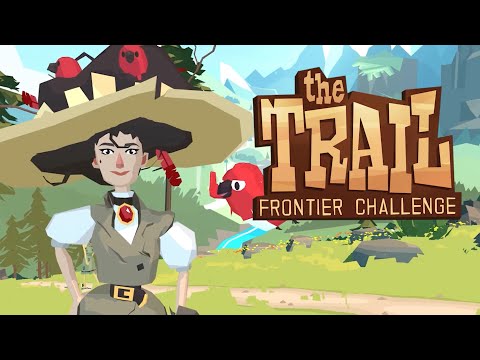
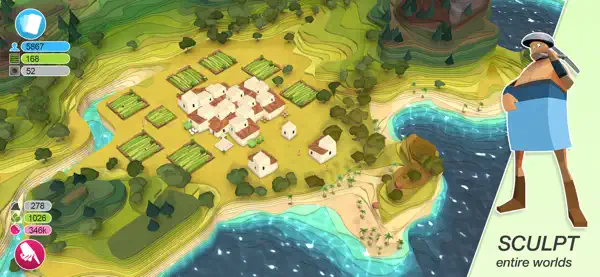
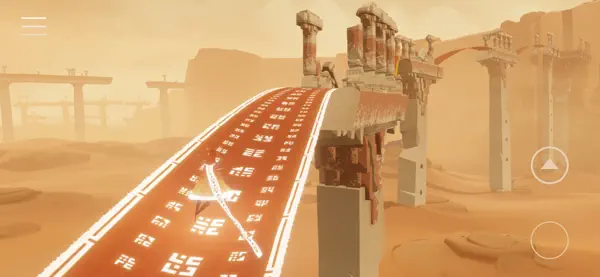
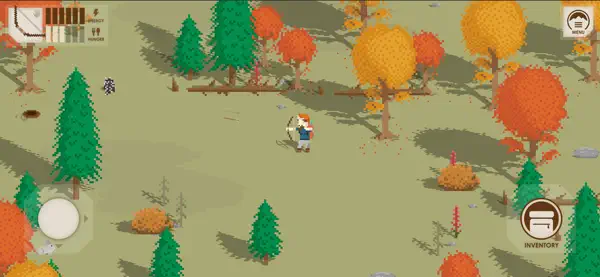
The graphics are amazing and the subtle textures are innovative and impressive there is no chat so no need to to ruin or be plagued by ones beliefs, the one place where your free to carve your own future you can actually enjoy others and communicate by what you trade and the benign little comments you can say, little sentences of affirmation or derision before you trade or continue along the path.
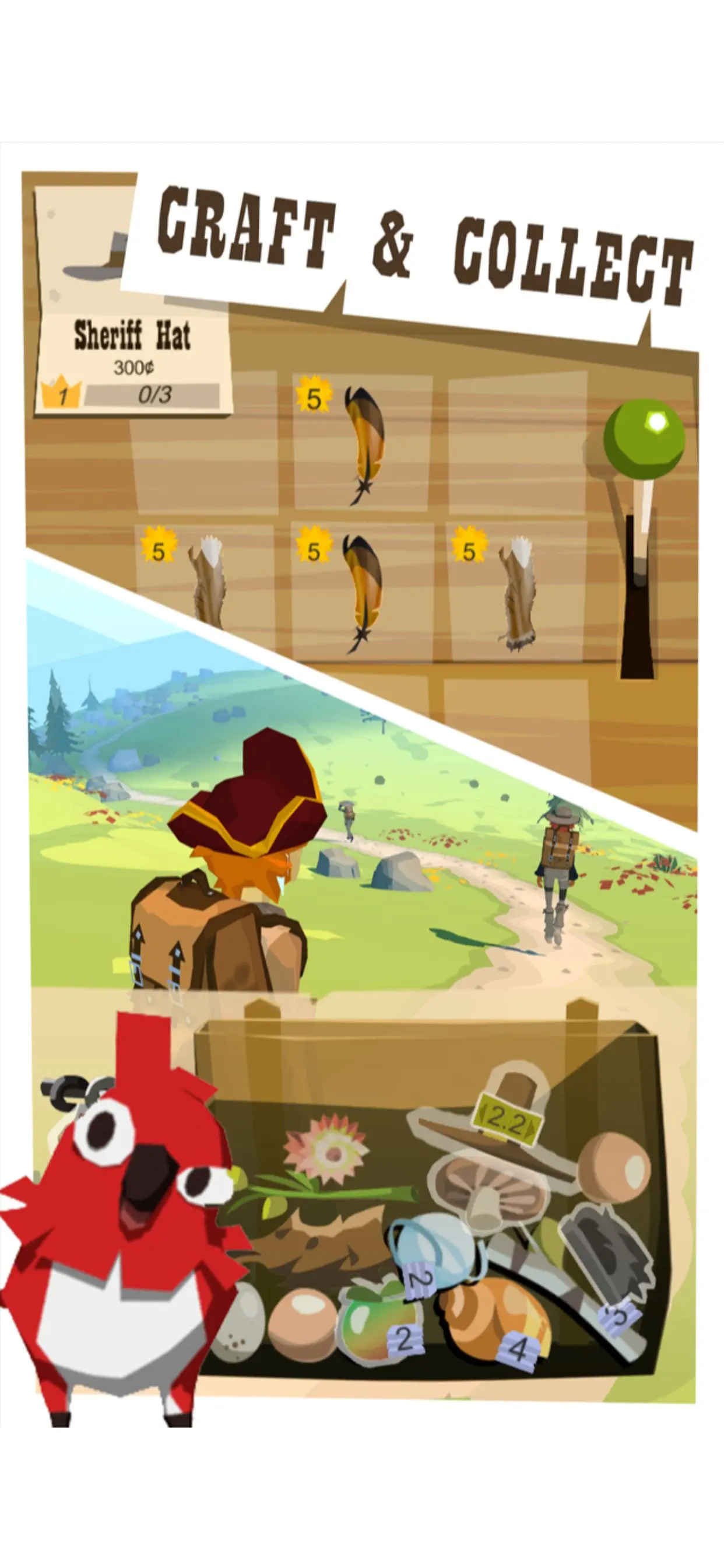
I also enjoy the crafting aspect and if you play long enough you are able to not only acquire new crafting items but raise the value and in some cases the quality of the item. Of course it gets more difficult as time goes on but you are rewarded with quality items either by other players through trading or making them yourself.
The game becomes a logistical challenge especially after surviving let alone making it to Eden Falls. The game really gets interesting after that... You can spend money of course and it’s not cheating however the way the game is designed you still need your wits to survive and the game is very rewarding to those who want to work hard, but not in an overwhelming sense the game is well balanced.
The glitches are minuscule in comparison to the over all mastery if I may be so bold for there is no other game of this caliber and longevity that has endured such as this one. That said I hope the creators will expand on what already is a great game, but not be foolish like so many other developers that turned a great game into ruinous heap but not so with The Trail... See you on it!!!
★★★★★ READ if you are thinking of downloading!!
Thu May 13 2021 Agent Eevee 503Ok so here is the truth, the whole truth and nothing but the truth. This game is awesome. I LOVE it and can spend hours on end playing it. The reason why this does not get a 5 star rating is the problems it can have. Now, I think the newer the device, the less glitches, but that may not be true. I myself find that this game isn’t that glitchy, but I know for some people that is really a problem. Another big thing is that the “mini games” such as chopping logs, etc... are hard, and I have been having this glitch where they are not working. I have not been able to chop logs or hunt at all. This makes the game hard but not impossible. Just buy the logs in trading or get them through adds. Also, how fast clothes where away is a little ridiculous. I think that if your clothes where away you should just go back to your original set which has no benefits, not just run around in your undergarments. The final problem is some people are getting frustrated that when they get to Edan Falls there are no available houses. Not to worry, just go back to the previous campsite and walk there again. I know it is junky but this will reset the town and maybe there will be a house available. Keep repeating until a lot is open. Have fun playing, (if you download it.)
★★★★★ Want to like it but...
Sun Oct 08 2017 WhispdipThis game is super beautiful and has such an interesting concept. I love the story line. However, there are some glaring issues that make it hard to like it.
First off, it’s super glitchy. To the point where I can miss items I need because it glitches out.
Also, I’m struggling with the whole clothes thing. I understand the point is to keep getting better at making clothes that will last longer, but I’m at the point now where my clothes barely last from camp to camp. That should not be happening. I’m practically walking around “naked” after just making new clothes. Also the clothes meter needs to have a longer warning period. It alerts me for 2 seconds and then I lose an item of clothing.
The daily favors issue needs to be fixed as well. Half the time I check in for my favor, it gives me a generally useless item, but doesn’t give me my favor, which is the main reason I log in. I’ve checked in the past 4 days and should have received 4 favors, but only got 1.
Finally, my last frustration is the lack of lower tier items and food in higher levels of gameplay (like I can’t get a pine stick anymore). I’m not crazy far along but I am far enough to where this situation is extremely noticeable. Some of the new recipes call for items I can’t get when progressing, forcing me to spend a long time going backward in order to make new stuff, which then means I waste more resources and clothes. There’s also a lack of food to be found and the camps are further apart, so even though I have a pretty good hat, I end up passing out and people steal my stuff. Not cool.
★★★★★ Some ideas for an update
Sun Aug 12 2018 Aubrey, TDK, SamanthaOverall I love this game, the graphics are beautiful, and I love the idea. My whole family has started to play it. I have a few things that would improve the game as a whole. First, I wish that we could make different kinds of pies from the pie machine. So far you can only make apple pies, but it would be awesome if we could make chestnut pies, strawberry pies, blackberry pies, juniper pies, pot (meat) pies, and others. Second, I wish that the dog could guard our stuff when we pass out, and things fall out of our bags, I think that would be very handy. Third, I wish that you could train your dog to pull raccoon tails, that would be very helpful for completing tasks. Fourth, I with that we could give our dog treats, like we do the bird, I don’t want it to be mandatory, but more of a choice like it is for the bird. Fifth, I want to be able to send money home. We get letters from our father/mother and we get some sad stories about our family’s hard times. I would like there (if not already) to be a way to send chits or favors home. Especially since we get thousands of dollars from the crates and trading, i feel it’s only fair that we at least have the choice to give our family money.
★★★★★ Incredibly satisfying, but needs revision
Sun Dec 29 2024 Awsedrft4After putting about 8 hours into the game, I can honestly say that it’s an overall pleasant experience. There is much that can be accomplished without paying for anything. With time and determination you can craft the upgrades needed to continue without passing out on the trail. The free ad supported bonuses are very generous in this aspect. Some areas that I would like to see improvement in are:
1: slingshot hunting, at times the camera angles get unaligned and it becomes impossible to see the animal you are hunting. Also the slingshot can be unpredictable to aim.
2: wood chopping: the accuracy of axe strikes can be INCREDIBLY unreliable often leading to broken tools without felling a tree.
3: item splitting: when you unlock the storage container and bigger backpacks. Items can be stacked, which is very convenient. However, there doesn’t seem to be a way to separate them other than in crafting, which can make organizing somewhat difficult.
Honestly so far, those are my biggest gripes. Otherwise there is a lot of content to explore in a beautiful environment, many upgrades to pursue, and when you settle in a town there’s fulfillment in helping each other grow the settlement. I’m eager to see how the developers will grow the game as time goes on.
★★★★★ dear god please fix it
Sun Dec 20 2020 spadookythe fact that i'm here, years after downloading this game, begging for ACTUAL fixes, should communicate the potential for this game. it is fun and cute, until you try to craft things. any things.
i opened the app for the first time in months about two minutes ago, after seeing there were some recent "bug fixes". i enter my home, making sure to swipe into the house quickly to avoid the bug that makes you stuck on the porch and unable to go any further back into your home, and try to craft a bag of flour in an attempt to free up space in my bag, which is overflowing from all the wood and bits from the last time i played where it glitched out and undid all the crafting i had spent the previous 20 minutes doing. and whataya know, the first thing i try to craft, that bag of flour, and then glitch: the bag is stuck in the middle of the screen, none of the info about the crafted item pops up, just... stuck.
i should not be getting glitched out of a game within a minute of opening it. that is legit stupid. i don't understand how something so fundamentally flawed is an "editor's choice". to say nothing about how the lack of special events within the last year or so to allow newer players a chance to acquire the special gear and dyes. ALL of this is just wrong. just fix it. you're app developers, this is your job, please do your job.