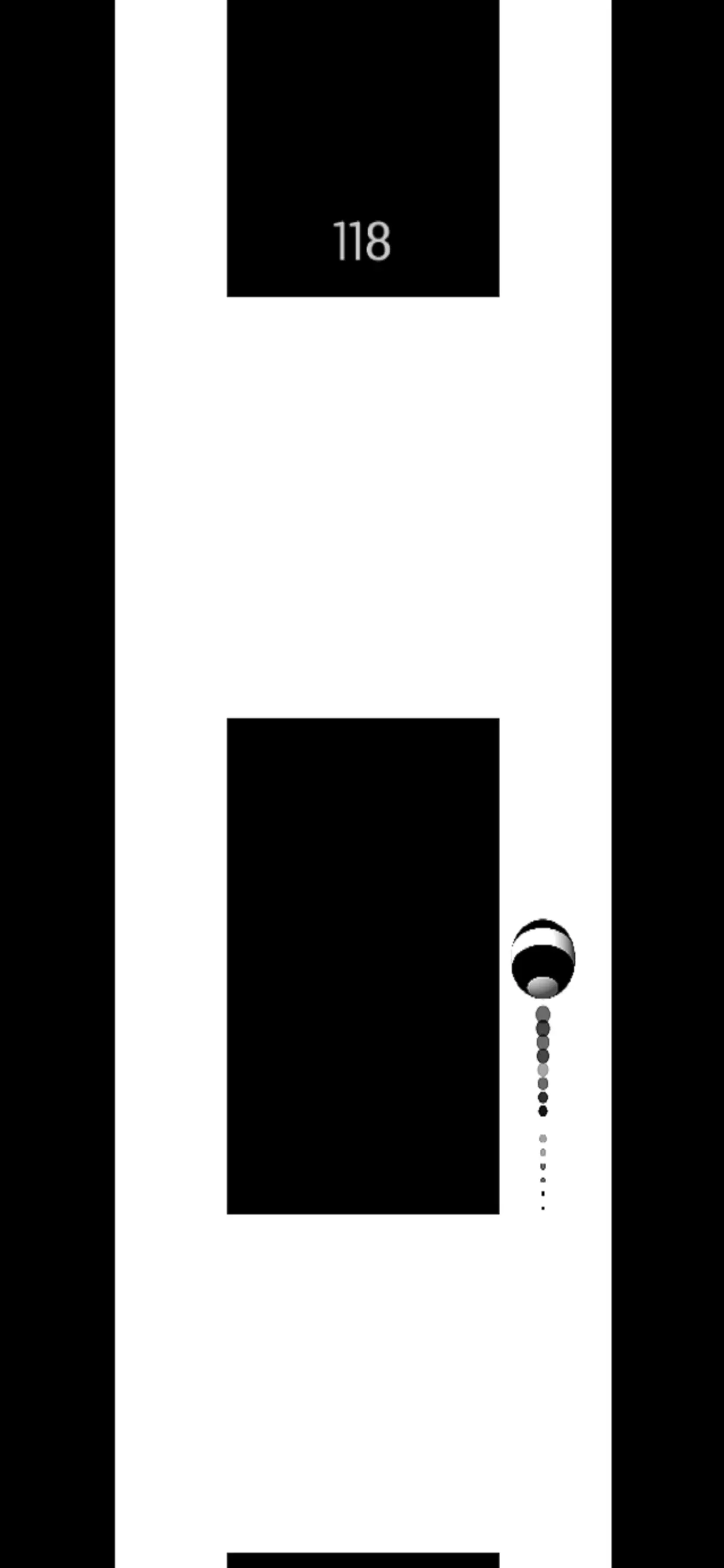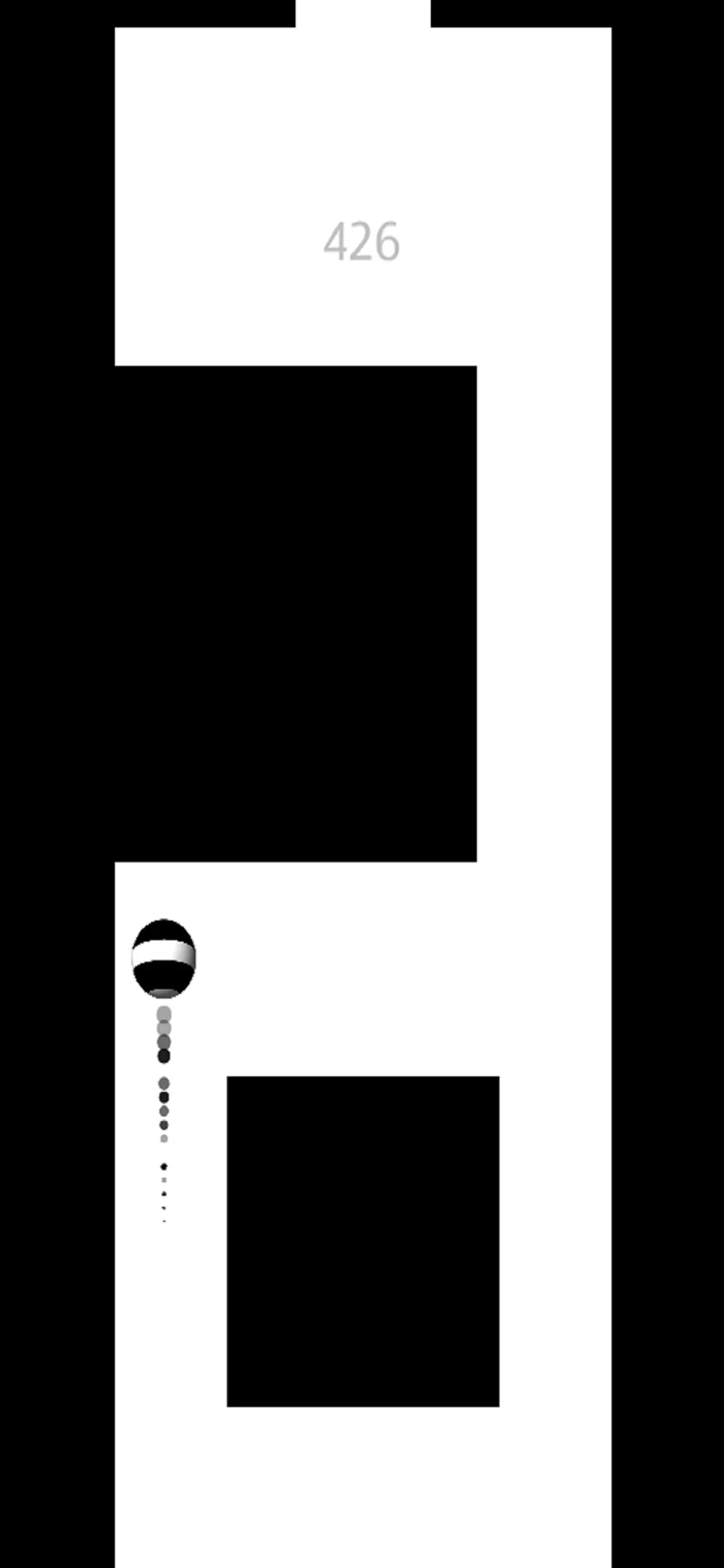
Silent Swipe is an intriguing take on the stealth-action genre, optimized for quick mobile sessions. The game relies on a minimalist aesthetic that works well for its core conceit: moving through shadows and avoiding detection with simple swipe gestures. It’s the kind of game that is easy to pick up but requires a surprising amount of patience and pattern recognition to master.
The levels are bite-sized, which prevents the stealth mechanics from becoming frustrating. However, while the core loop is satisfying, it does lack a bit of variety in the long run. More enemy types or gadgetry would go a long way in keeping the gameplay fresh. That said, as a free-to-play time killer, it offers a polished and stylish experience that respects the player's time.
Dinsun here. Silent Swipe is a very 'safe' game. It has a clean, minimalist aesthetic that works well on mobile, and the puzzles are logically sound. It’s a game about patience and pattern recognition. It doesn’t try to do anything revolutionary, but it does its one thing competently.
The problem is there’s just not much 'wow' factor. It’s the kind of game you play while waiting in line and then immediately forget as soon as you put your phone away. It lacks a hook or a compelling reason to keep coming back once the initial levels are done. It’s okay, but 'okay' is a hard sell in this market.
Performance: Runs perfectly; very efficient.
Buy if: You enjoy minimalist, grid-based puzzles.
Skip if: You want a game with a story, characters, or high-octane action.
Available on: iPhone, iPad, iPod
Version 4Mon Apr 17 2023
Update 4.0
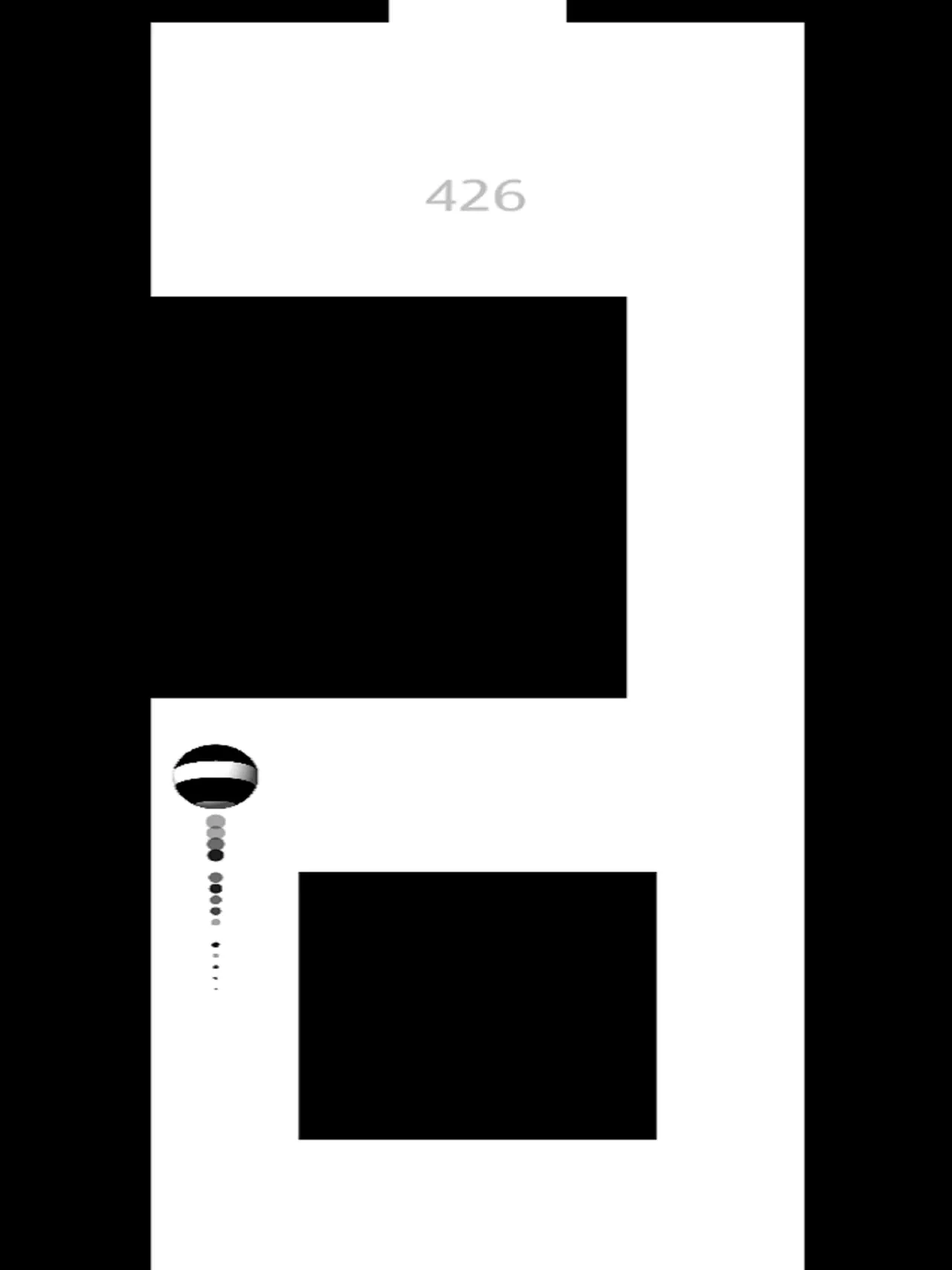
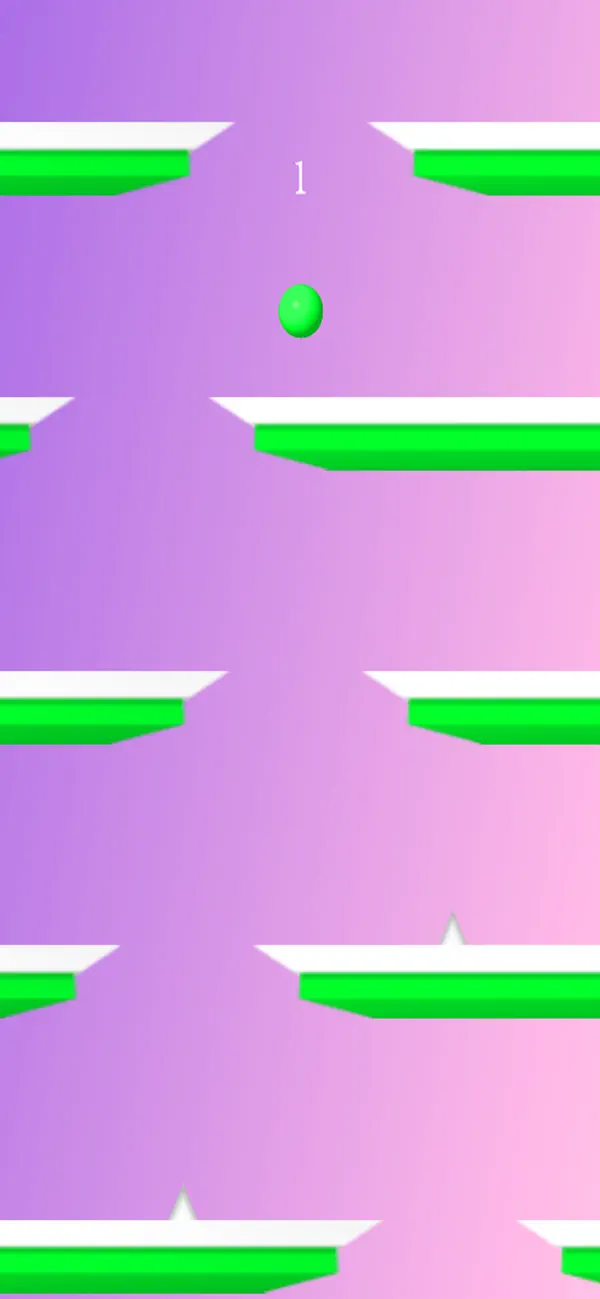
Swipe the screen to roll the ball through the endless maze!
Requires iOS 12.1 or later. Compatible with iPhone, iPad, and iPod touch.Swipe the screen to roll the ball through the endless maze!


Silent Swipe is a minimalist stealth-action game designed for mobile. Players must navigate through high-security zones using simple swipe controls to move and hide. Timing is crucial as you dodge patrol lights and take down guards silently to reach the exit of each increasingly difficult level.
Sleek minimalist art style
Intuitive one-handed controls
Increasingly complex guard patterns
Fast, replayable levels
The game focuses on a simple swipe mechanic. You don't have weapons; your primary tool is the environment and the 'silent' movement you perform by timing your swipes perfectly with guard patterns.
It is primarily level-based without a deep narrative, focusing on high-score and stealth mastery.
I’ll admit, when I first heard they were turning Hitman into a board game, I rolled my eyes. I’ve been playing Hitman since 'Codename 47' on PC, and this felt like a regression. However, Hitman GO is a rare example of a mobile spin-off that understands its own identity. It strips the franchise down to its core—spatial awareness and timing—and presents it with an aesthetic that is genuinely pleasing to a mature eye. The puzzles start simple but quickly evolve into complex 'dance' sequences where one wrong move ruins the run. I appreciate the lack of hand-holding. It doesn't have the visceral thrill of the main series, and at times it feels a bit clinical, but the logic is sound. It’s a 'thinking man’s' mobile game, which is a rarity in a market flooded with mindless clones. It loses points for being a bit too brief and having a hint system that feels like a temptation to spend, but the core design is respectable.
I’ll admit it—I was skeptical. Turning Tomb Raider into a turn-based board game sounded like a recipe for disaster. But Square Enix actually pulled it off. This isn't just a mobile spin-off; it’s a brilliantly designed puzzle game in its own right. The 'GO' format works perfectly because it respects your time. Every move is a deliberate choice, and the puzzles escalate in difficulty at a perfect pace. The art style is the real winner here. It’s clean, colorful, and evocative of the classic PS1-era Lara while looking modern. It doesn't try to be a photorealistic action game, which is why it succeeds where others fail. My only gripe is that it’s a bit short. You can breeze through it in a few sittings, and the replay value is low once you’ve solved the riddles. But for the price, it’s a rare example of mobile gaming done right.
I’ve explored enough dungeons to know when a developer is just going through the motions. Tainted Treasure has the turn-based combat, it has the loot, and it has the 'ominous' story. What it doesn't have is a single original idea. Everything here feels like it was lifted from a 'How to Make an RPG' handbook. The combat is slow, even for turn-based standards, and the UI is cluttered with too many menus. It’s not a disaster, and it might keep you occupied if you have absolutely nothing else to play, but it’s remarkably forgettable. It’s the kind of game that earns a 'C' and is satisfied with it.
Dinsun. Gaming on a watch is a desperate act. That said, Spaceholes makes a decent case for using the Digital Crown. It’s tactile and responsive. However, the screen is the size of a postage stamp, and your arm gets tired after three minutes. It’s a neat tech demo, but don't call it a gaming experience. It's a novelty. If you really need to look busy while standing in line, this is better than checking your emails for the tenth time.
Vector is one of the few mobile games that actually feels 'cool.' The animation work is stellar—every vault and slide feels like it has weight and momentum. It reminds me of the old Flash era games but with a level of polish that few achieved. The dystopian 'Big Brother' aesthetic is a bit cliché, but it serves its purpose as a motivator to keep you moving. It’s a trial-and-error game, which might frustrate the impatient, but the satisfaction of a perfect run is genuine. My main issue is the economy. Even in this 'Classic' version, the push toward unlocking moves via grind or microtransactions is annoying. It disrupts the flow of the game. However, the core mechanics are so tight that I’m willing to overlook some of the mobile-centric fluff. It’s a challenging, rhythmic experience that demands focus. It’s not revolutionary, but it does one thing—parkour—better than almost anything else on the App Store.
I don't call this a game; it's a spreadsheet with a UI wrapper. RoGold is a tool for people who spend more time looking at numbers than actually playing. As a veteran gamer, I remember when you just joined a server and played. Now, we have 'analytics' for our social circles. The app functions, sure, but it feels like a solution in search of a problem. Why do I need to track friend activity with this much granularity? The interface is sterile, and the utility is questionable for anyone over the age of fifteen. It’s an extension of the data-tracking obsession that has ruined the spontaneity of gaming. It does what it says on the tin, but what it says is fairly boring. If you're a 'power user' of a children's gaming platform, maybe you'll find value here. I just find it tedious.
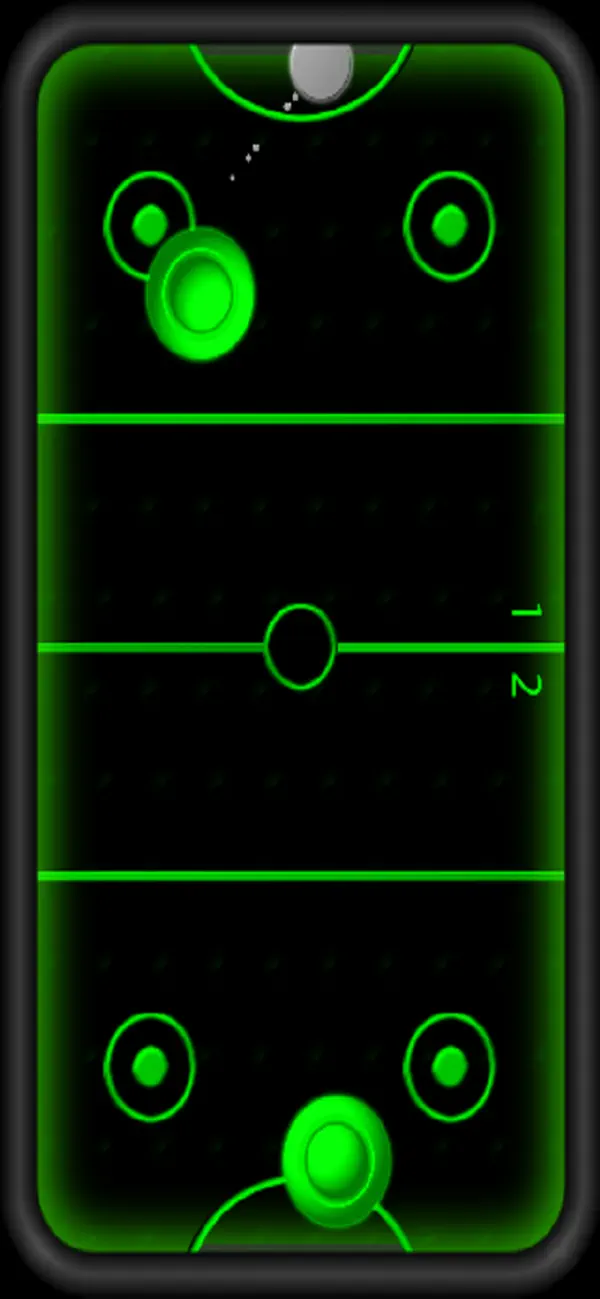
Dinsun here. I’ve seen enough air hockey clones to fill a warehouse, and 'Air Hockey Black' doesn't exactly break the mold. It does what it says on the tin: you hit a puck, it bounces, and you hope it goes into the slot. The physics are serviceable, which is more than I can say for some of the jittery messes on the App Store, but there's a distinct lack of weight to the experience. It feels like a tech demo that was polished just enough to release. The minimalist 'black' aesthetic is a double-edged sword. While it keeps the focus on the puck, it also makes the whole thing feel a bit clinical and cold. For a game that's supposed to capture the high-energy vibe of an arcade, it’s remarkably quiet. If you're looking for a quick distraction while waiting for a bus, this is fine, but don't expect it to hold your attention for more than ten minutes.
I’ve never been a huge fan of gyro controls—they always feel a bit too imprecise for my liking. Tilty Drop does its best to prove me wrong, and for the first ten levels, it’s actually quite satisfying. The physics feel 'right,' and the minimalist look is easy on the eyes. It reminds me of those old wooden marble maze games I had as a kid. However, the novelty wears off fast. There isn’t enough variety in the obstacles to keep the experience fresh, and the difficulty curve feels more like a jagged cliff. Sometimes a level is a breeze, and the next is a frustration-fest of pixel-perfect tilting that the hardware just isn't quite suited for. It’s an okay distraction for a few minutes, but it’s not something I’d ever seek out. It’s forgettable.