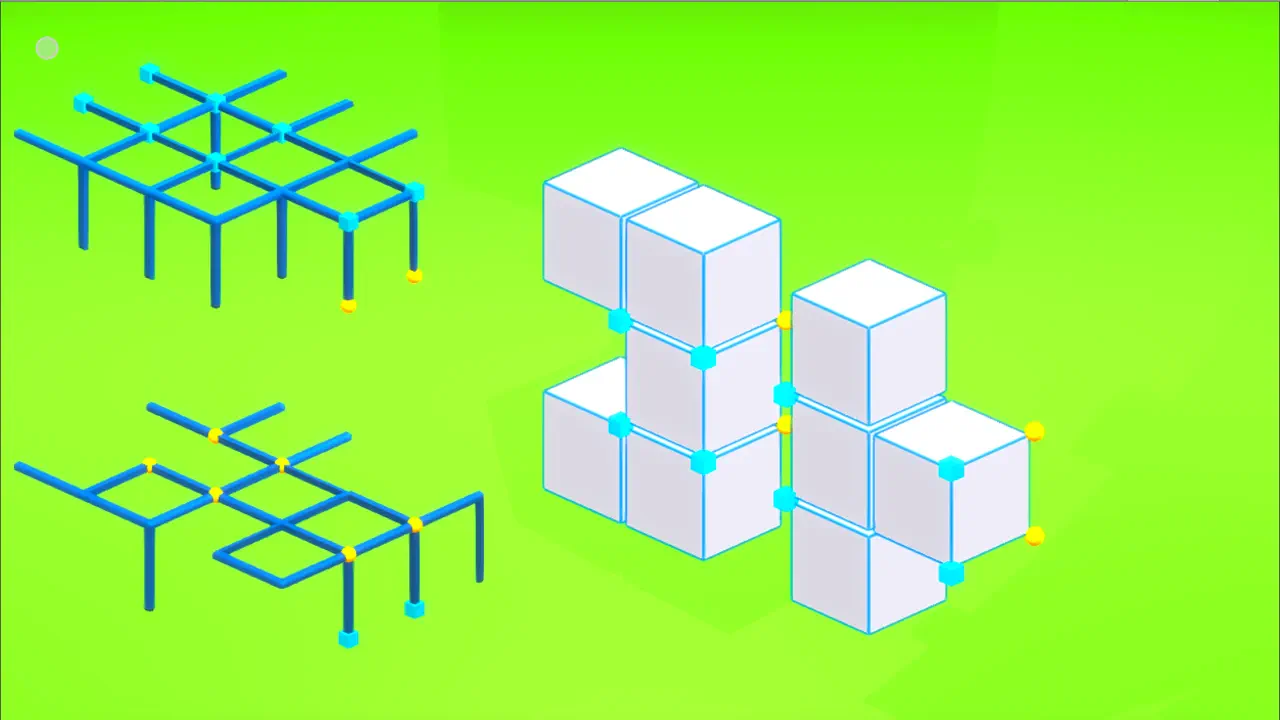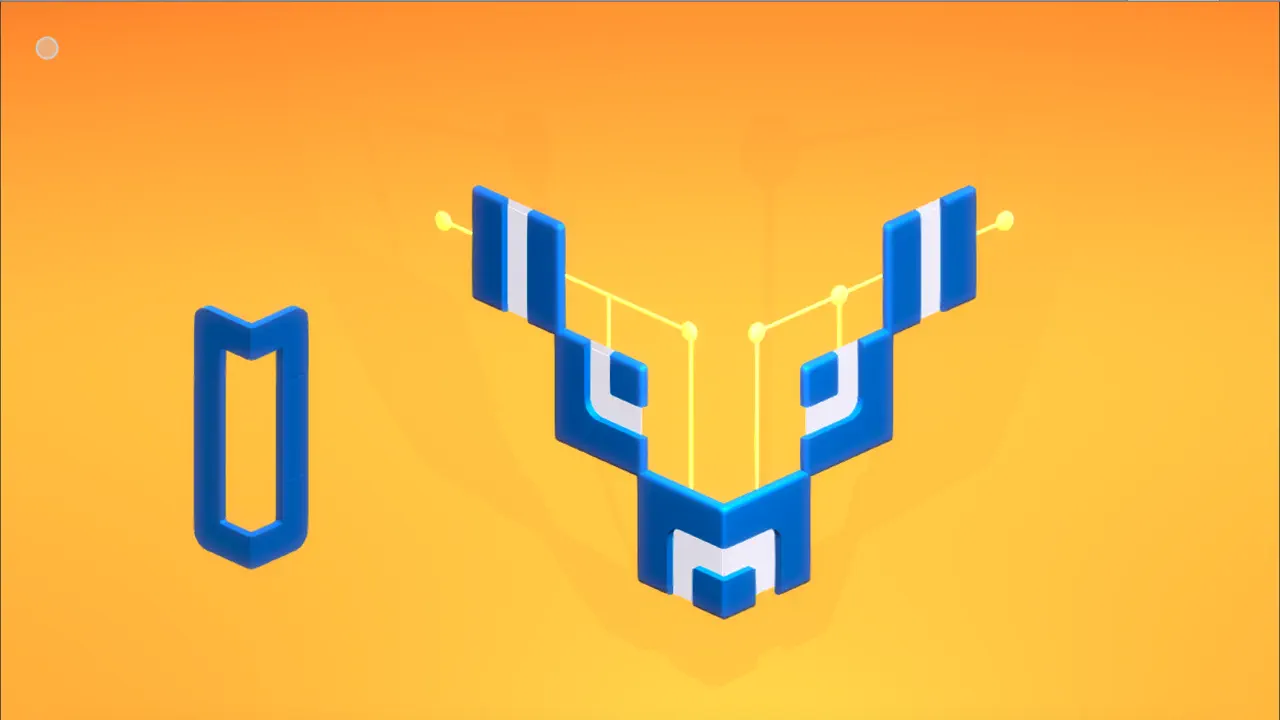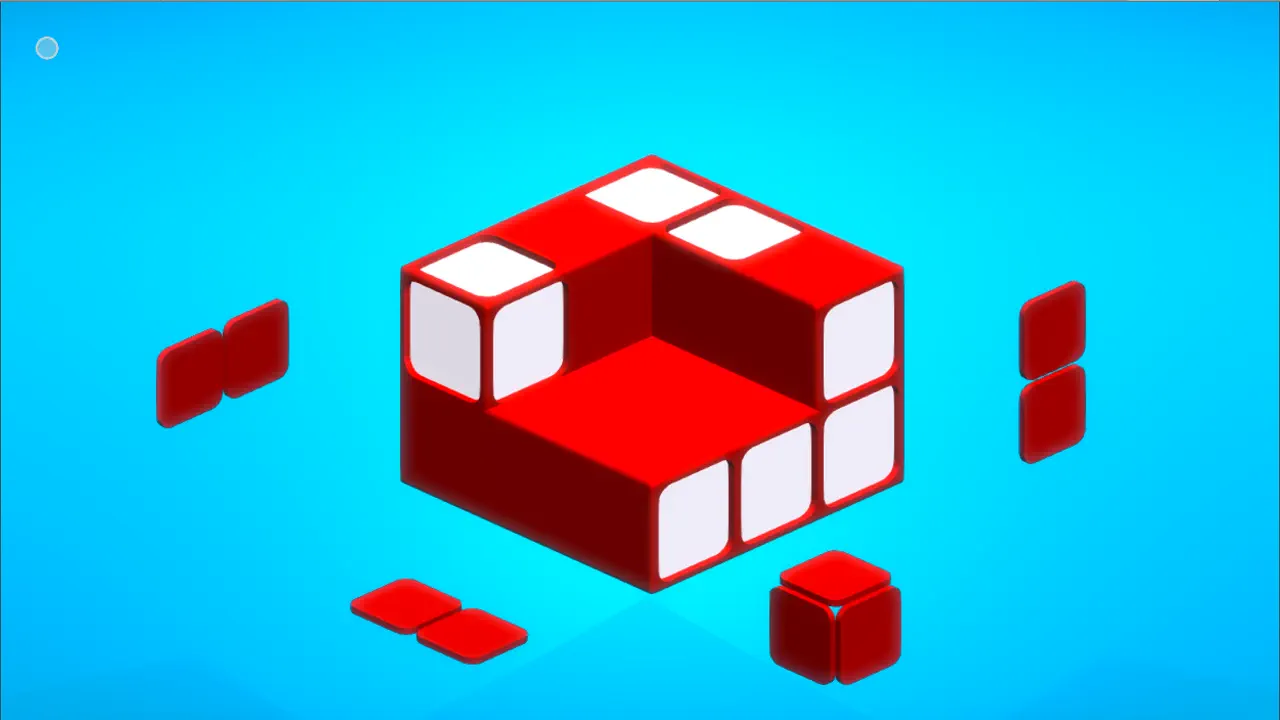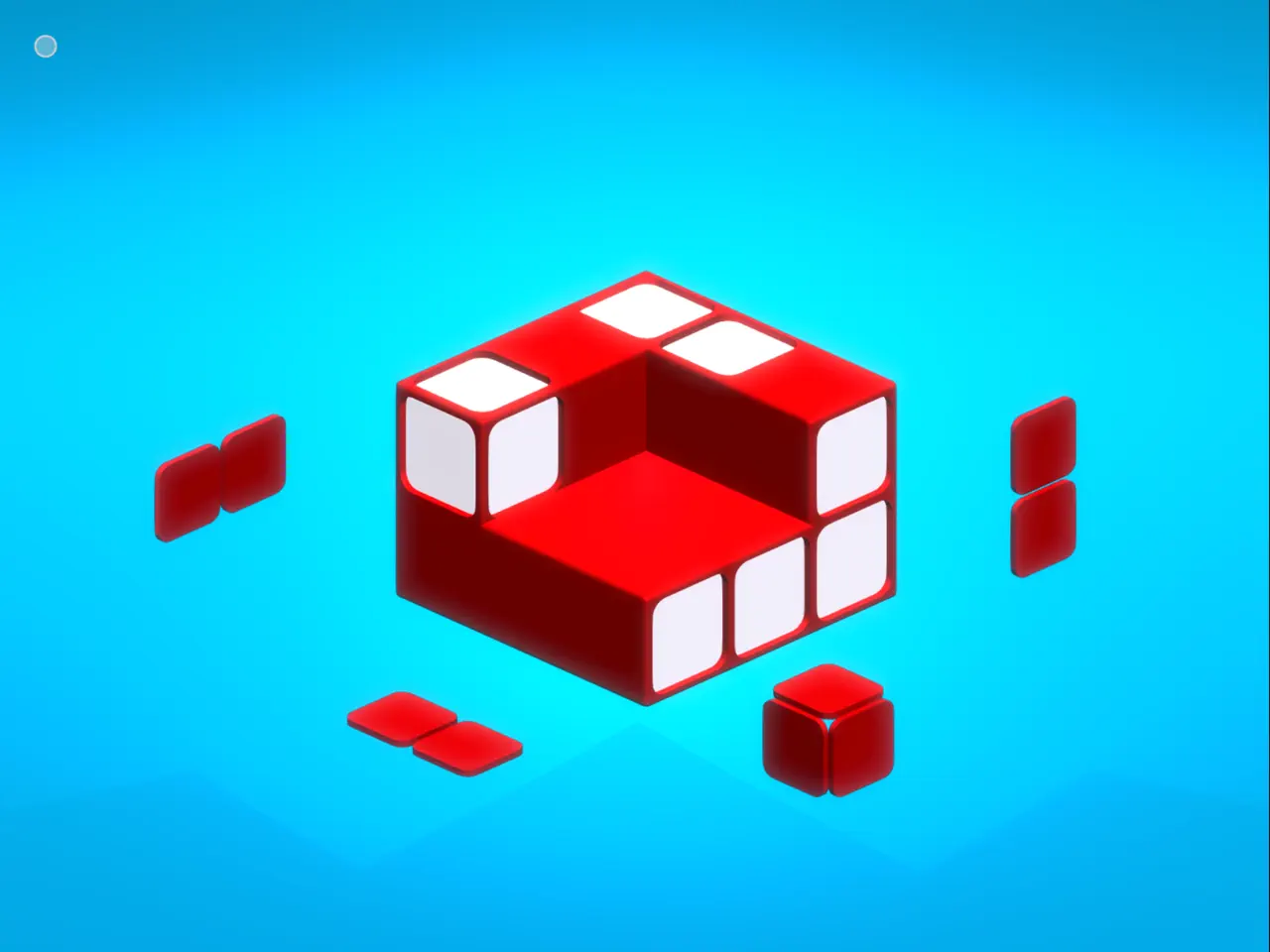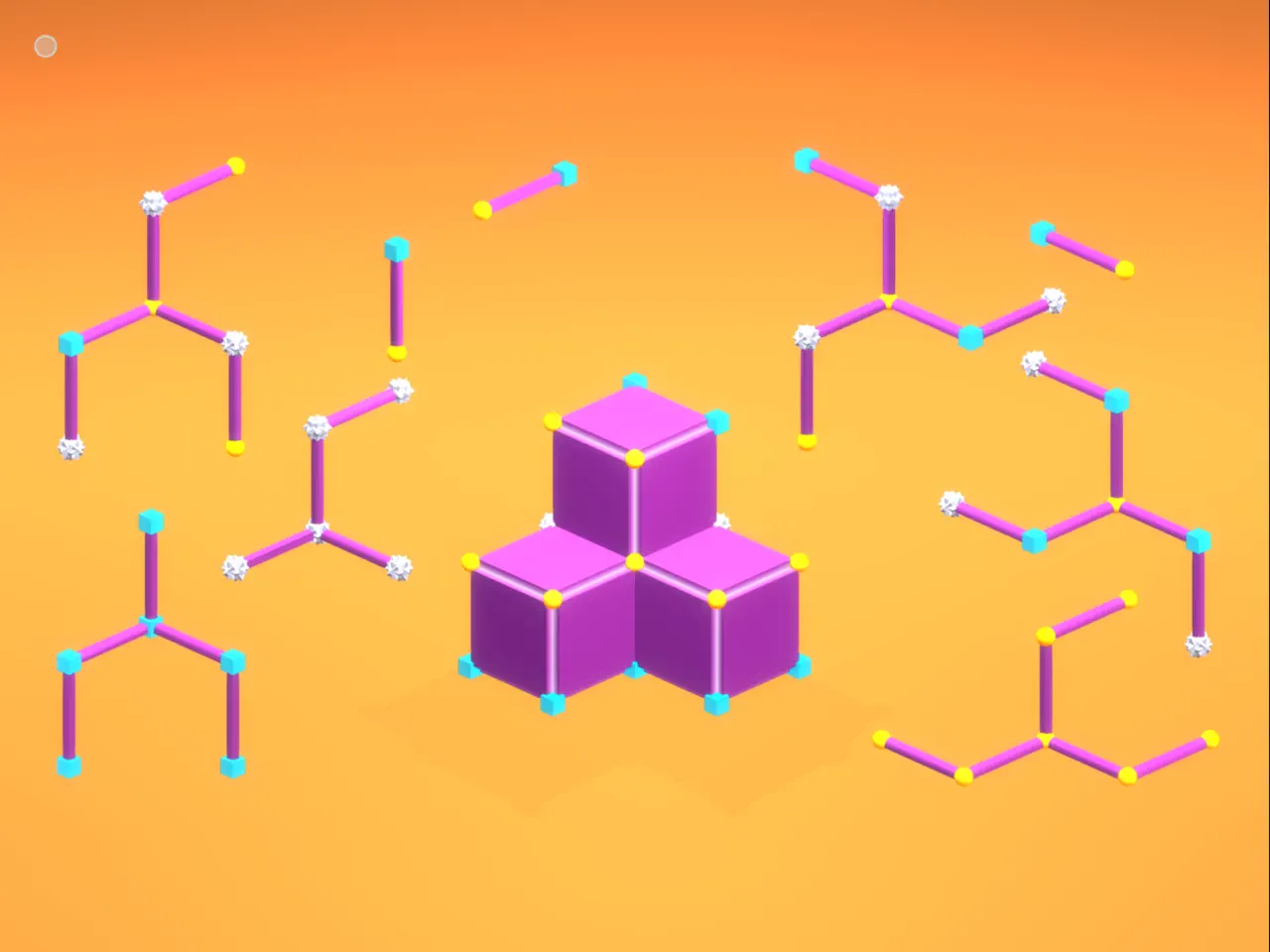
Scalak is one of those rare puzzle games that feels like it’s massaging your brain. There are no timers, no scores, and no punishing mechanics—just the pure, tactile satisfaction of fitting complex geometric shapes together. The spatial awareness required for the 90 levels is perfectly balanced; it’s never so hard that you want to quit, but always clever enough to make you feel like a genius when the pieces finally click into place.
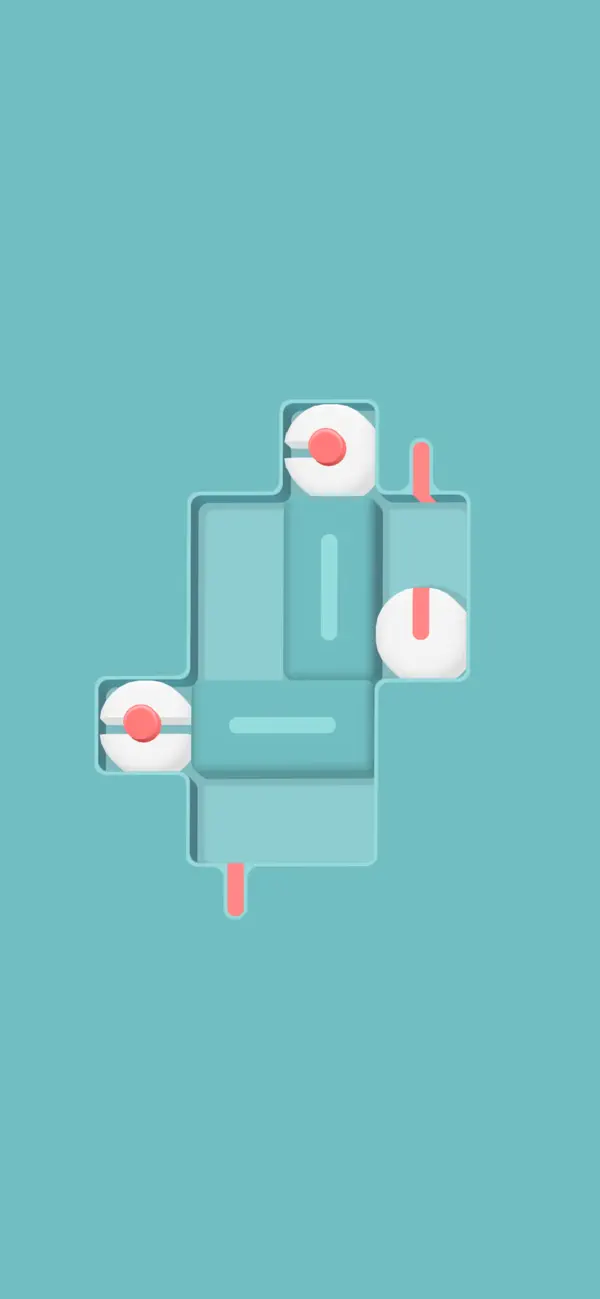
The minimalist design is gorgeous, and the way the game introduces new mechanics—like rotation or pattern matching—without a single line of tutorial text is a masterclass in game design. It’s incredibly polished, and the 'crunchy' sound effects when a piece locks in are immensely rewarding. If you’ve played the developer’s other hits like PUSH or Zenge, you know exactly what to expect: a high-quality, relaxing, and deeply fulfilling logic experience.
This is what I’m talking about. No energy bars, no daily login bonuses, just a set of puzzles that challenge your brain. Scalak is clean, quiet, and satisfying. It’s the kind of game that makes you feel smarter for solving a level rather than just lucky. Dinsun appreciates the lack of clutter here; it’s pure, distilled gameplay.
The 3D rotation and shape-matching feel tactile and right. It’s a short experience—you’ll finish it in an afternoon—but it’s an afternoon well spent. It doesn't overstay its welcome or try to sell you 'hint packs.' My only complaint is that I wanted another 90 levels immediately after finishing the last one. It’s rare to find a mobile game this honest.
Performance: Perfect performance; includes a High Quality (HQ) toggle to save battery.
Buy if: You love spatial puzzles and appreciate clean, minimalist aesthetics.
Skip if: You need a narrative or high-octane action to stay engaged.
Available on: iPhone, iPad, iPod
Version 1.06Wed Jun 27 2018
This app has been updated by Apple to display the Apple Watch app icon.
iCloud fix.
Hey, Hamster here. I made PUSH, Zenge and Art Of Gravity.
GOAL: Fill up the figures. Relax. Have fun.
HOW TO DO THAT?
-Match shapes.
-Find patterns.
-Use spatial awareness.
-A bit of rotation and logical thinking.
Scalak contains 90 levels and is packed with ever evolving game flow that will let you feel quite good about yourself.
- To save battery use the HQ icon in menu.
Have fun playing.
Thanks for your support!
Cheers,
Hamster
Requires iOS 9.0 or later. Compatible with iPhone, iPad, and iPod touch.Fulfilling puzzle game.
Hey, Hamster here. I made PUSH, Zenge and Art Of Gravity.
GOAL: Fill up the figures. Relax. Have fun.
HOW TO DO THAT?
-Match shapes.
-Find patterns.
-Use spatial awareness.
-A bit of rotation and logical thinking.
Scalak contains 90 levels and is packed with ever evolving game flow that will let you feel quite good about yourself.
- To save battery use the HQ icon in menu.
Have fun playing.
Thanks for your support!
Cheers,
Hamster


Created by the developer of PUSH and Zenge, Scalak is a logic puzzle game designed to be a relaxing yet engaging experience. Your goal is to fill up various 3D figures by matching shapes, finding patterns, and using spatial rotation. With 90 levels and a constantly evolving flow of mechanics, Scalak offers a satisfying sense of progression and calm, making it a perfect title for puzzle lovers.
90 hand-crafted levels
No timers or high-pressure mechanics
Minimalist 3D graphics
Evolving gameplay mechanics
Battery-saving HQ mode
If you've played any of the games from Michal Pawlowski (Hamster on Coke) then you know that the developer likes to subvert the usual puzzle...
Pocket Gamer - Thu Apr 16 2020
Michal Pawlowski of Hamster On Coke Game Lab, developer of such lovely puzzle experiences as Zenge and Art Of Gravity [appprice...
TouchArcade - Tue Oct 16 2018
Look at the etchings on the surface of the pieces. Often, the logic isn't just about the shape of the block, but matching the lines and dots to create a continuous pattern across the completed figure.
No, Scalak is a premium, ad-free experience.
Dinsun here. I’ve played these games before—twenty years ago, for free, in a web browser. This is a collection of 'classics' like air hockey and pong that adds nothing new to the formula. The controls are cramped on anything smaller than an iPad, and the AI (if you're playing alone) is either brain-dead or cheating. It’s a 'break glass in case of emergency' app for when you’re stuck in a waiting room with a child. As a standalone piece of software for an adult gamer? It’s redundant. There’s no progression, no flair, and no reason to keep it on your phone for more than ten minutes.
I’m not the target demographic here, but as a long-time observer of the industry, I have to give credit where it’s due. This isn't just another piece of 'toddler-ware' designed to keep a kid quiet. The developer has gone to great lengths to make this playable on Apple TV with full VoiceOver support, which is a rare level of commitment for a simple matching game. It’s clean, it’s honest, and it doesn't seem to be fishing for credit card numbers in every menu. Technically, it's just a card-flipping game. There’s no innovation in the mechanics, and if you’re over the age of six, you’ll be bored in three minutes. But as a tool for learning or for families needing accessible options, it’s a solid, dependable piece of software. It does a simple job very well.
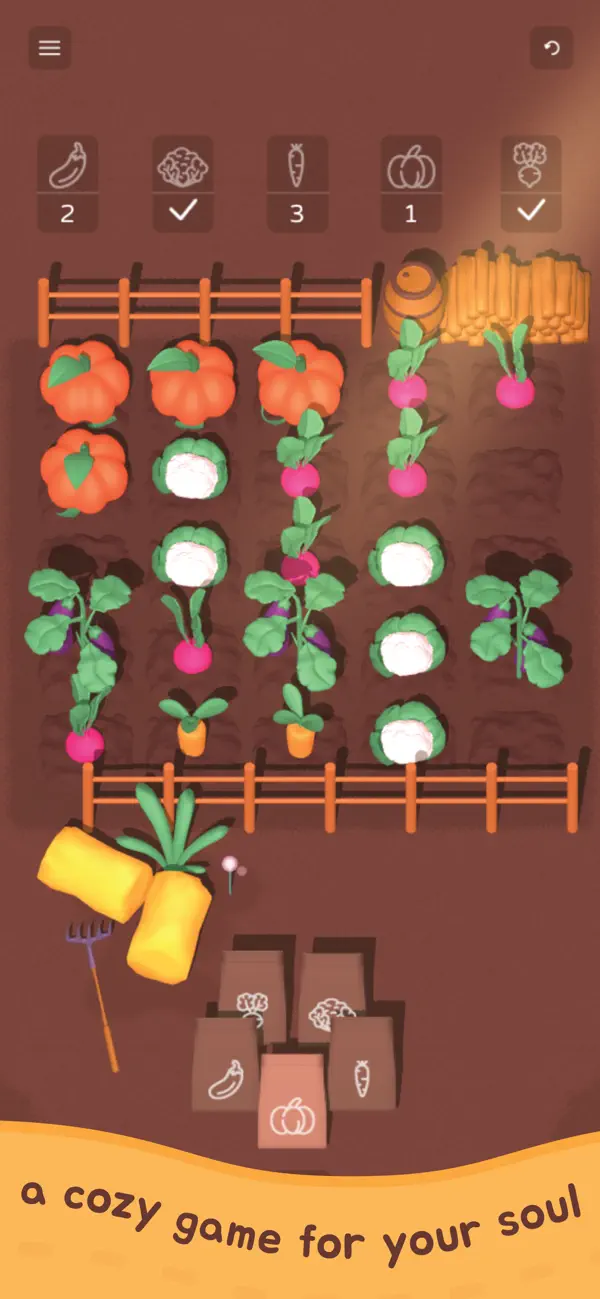
Dinsun here. I’ve seen a thousand of these minimalist 'zen' puzzles, and frankly, most of them are fluff. Up Left Out, however, manages to be a respectable distraction. It doesn't try to reinvent the wheel; it just gives you a grid and asks you to think. The mechanics are tight—no physics glitches or obtuse UI elements to fight against. You slide, you rotate, you unlock. Simple. That said, it’s a short-lived experience. At 40, I don't have time for a hundred hours of grinding, but I do expect a bit more meat on the bones. You’ll breeze through this in a single sitting. It’s competent and well-crafted, but it lacks that 'one more level' hook that truly legendary logic games possess. It’s the digital equivalent of a newspaper crossword—reliable, but eventually, you just throw it away.
The mobile market is flooded with 'zen' games that are actually just vehicles for ads. Plant with Care is a refreshing exception. It’s a pure puzzle game. No timers, no stress, just you and a grid. That said, I find the difficulty curve a bit jagged—some levels are trivial, while others require a level of trial-and-error that feels more like work than fun. The visuals are clean but uninspired. It’s the kind of game I play for 10 minutes before bed. It does its job well enough, but it doesn't do anything to stand out in a very crowded genre.
Enigmo takes me back to the early days of the iPhone. It was revolutionary then, and it’s still 'fine' now. The core loop of placing a bumper and watching a droplet bounce is satisfying in a basic way. However, the 3D graphics haven't aged gracefully—they look like early PS1 tech. The difficulty curve is also all over the place; you'll breeze through five levels and then hit a brick wall that makes you want to throw your phone. It’s a classic, but the world has moved on to more elegant physics puzzles like Portal or The Witness.
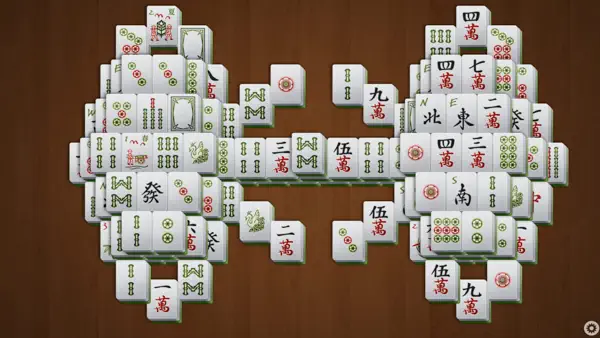
Look, it's Mahjong. We’ve been playing this on PCs since the 80s, and this version doesn't do much to justify its existence beyond portability. It’s competent enough—the tiles are legible and the touch controls don't fight you—but it lacks any sort of soul or modern flair. The variety of layouts is the only thing keeping it from being a total snooze-fest, though even those start to feel repetitive after an hour. It’s the kind of game you play while waiting for a flight because you have nothing better to do. It’s fine, but 'fine' doesn't get a high score in my book. If you're looking for innovation, keep walking; if you want a digital paperweight that occasionally lets you click tiles, here it is.
I've spent years with a pen and a newspaper, so I have a high bar for crosswords. This app manages to fit the content in, but it loses the tactile satisfaction of the real thing. The interface is utilitarian, which is better than being cluttered, but it feels sterile. The puzzle quality varies wildly depending on the source, and some of the clues are frankly nonsensical or dated. It does what it says on the tin, but I struggle to find the 'pro' in this 'classic' experience. It’s a decent way to kill time, but it won't replace a Sunday morning ritual for anyone who actually cares about the craft of puzzling. It's serviceable, but largely forgettable software.
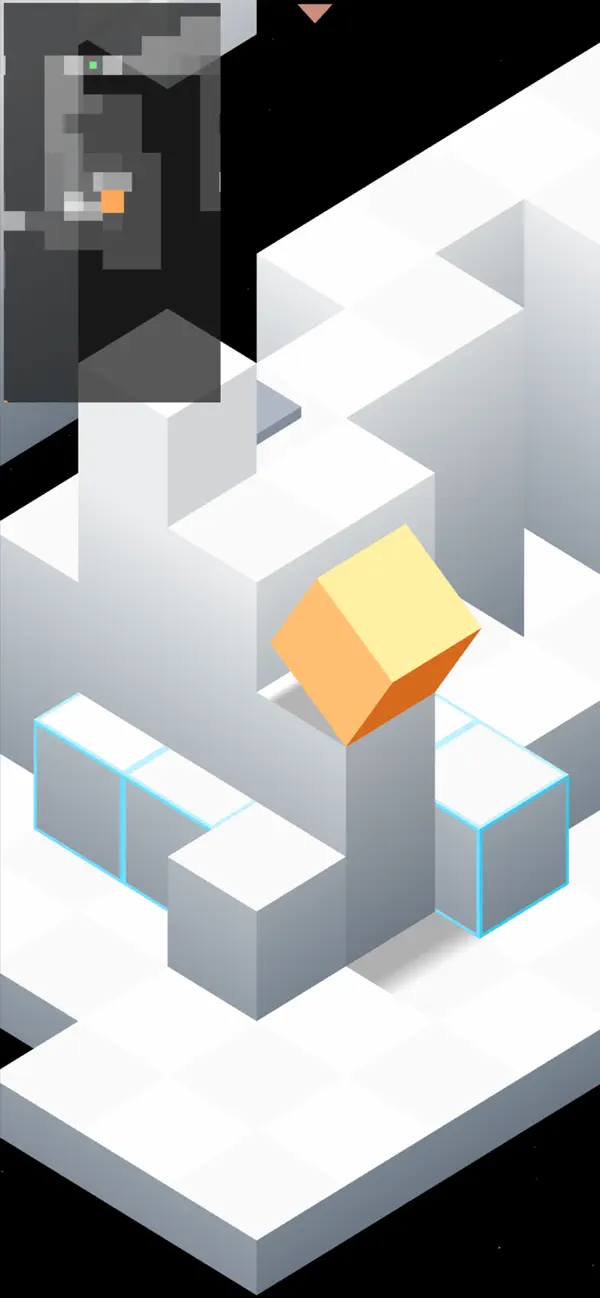
EDGE is a relic from a time when mobile games actually tried to be games rather than slot machines. Its brilliance lies in its simplicity. You're a cube. You roll. That's it. But the level design is so tight and the physics are so predictable that every failure feels like your own fault rather than a glitch in the system. The soundtrack is the real star here—a pulse-pounding electronic score that fits the 'cyber-industrial' aesthetic perfectly. My only real complaint is that the difficulty spikes can be frustrating, especially with touch controls that occasionally misinterpret a swipe. It hasn't changed much over the years, which is both its strength and its weakness. It’s a pure, unadulterated puzzle-platformer that doesn't feel the need to hold your hand.