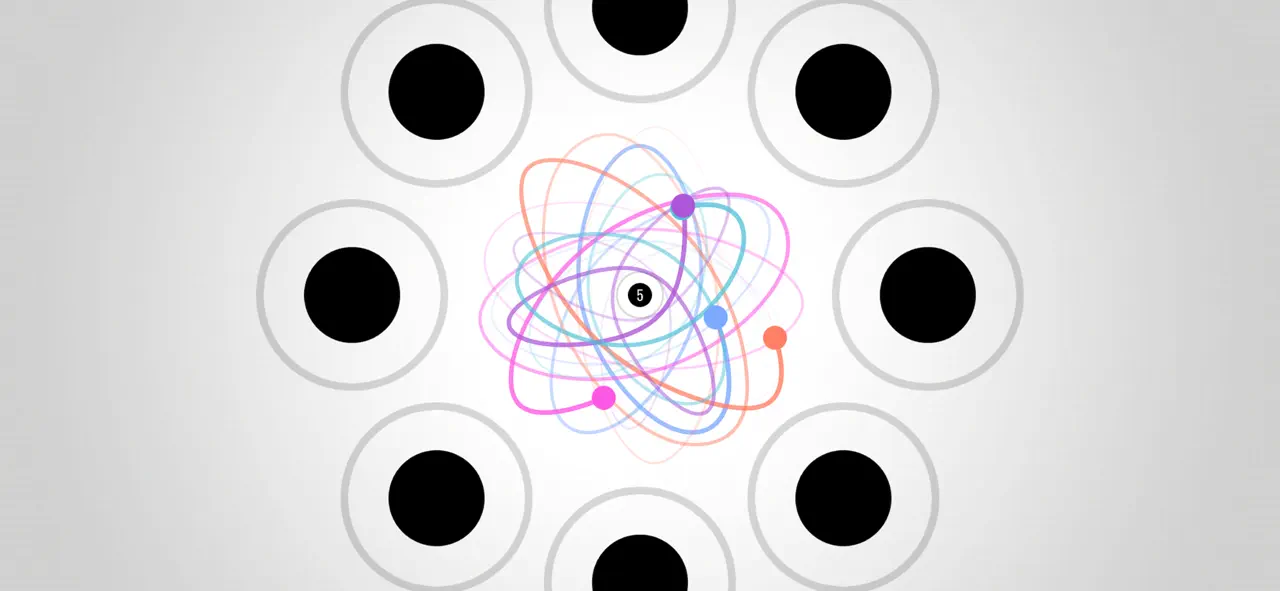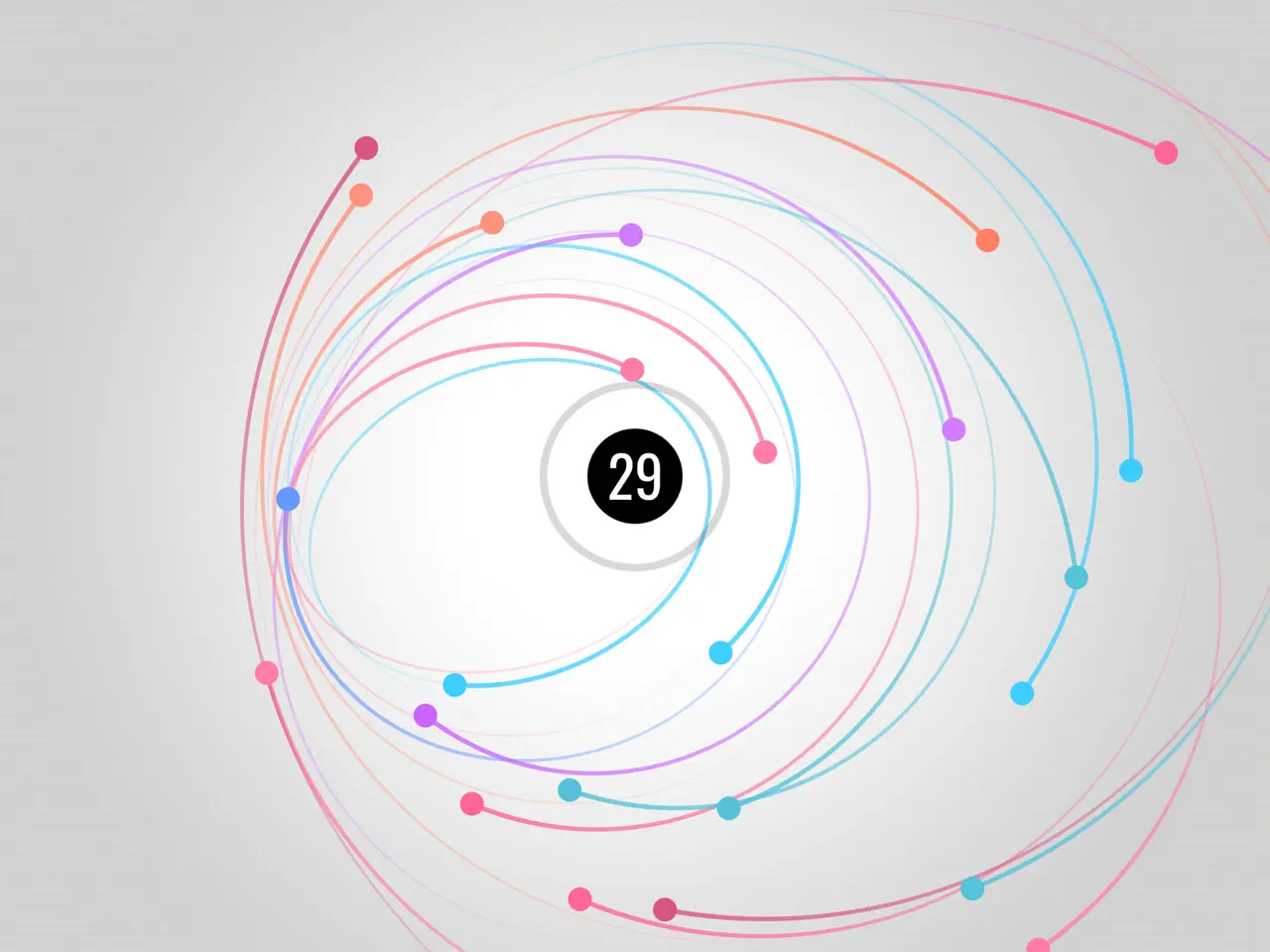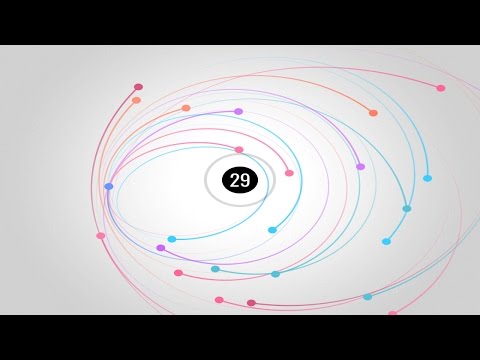
Orbit is a rare gem that manages to be both a challenging physics puzzle and a deeply meditative experience. The core loop of flicking a planet and watching its trail form a complex, geometric pattern around black holes is hypnotizing. It feels less like a game and more like a collaboration with gravity itself.
The community levels are the real star here. After finishing the 45 base levels, the sandbox and user-created content offer practically infinite gameplay. The minimalist aesthetic—bright colors against a deep black void—makes it one of the most visually pleasing games on the App Store. It’s a perfect example of 'less is more' in game design.
I don't usually go for 'zen' games—they usually lack the friction I look for in a challenge—but ORBIT won me over with its purity. There are no power-ups, no loot boxes, and no fluff. It's just you, a black hole, and the laws of physics.
The generative music creates a beautiful soundscape as your planets trace colorful paths across the void. It can be frustrating when a planet crashes after 20 successful orbits, but the 'just one more try' factor is high. It’s a perfect mobile game: easy to pick up, impossible to master, and visually striking without being gaudy.
Performance: Silky smooth performance; no issues reported.
Buy if: You want a relaxing but mentally stimulating puzzle experience.
Skip if: You need a narrative or high-octane action to stay engaged.
Available on: iPhone, iPad, iPod
Version 3.0.0Thu Jul 10 2025
Discover infinite worlds created by other players.
This new version of Orbit emphasizes discovery. Enjoy all the fun worlds people around the globe have made. Make and publish your own!
Requires iOS 13.0 or later. Compatible with iPhone, iPad, and iPod touch.ORBIT is a gravity simulator at the heart of a puzzle game. Launch planets with a flick of your finger, and try to get them into stable orbits around black holes.
Can you make enough orbits to progress to the next level?
New: ORBIT now features a Sandbox (paid) where you can create your own levels! Control time, disable collisions, and paint with gravity. Publish your creations to the world for everyone to play.
• 45 free levels, with new mechanics are introduced over time — like repulsive black holes and planets with their own gravity that attract each other
• Play community-created levels — virtually limitless content made by other players, all completely free
• Launch as many planets as you like, and watch the mesmerizing orbital mechanics unfold
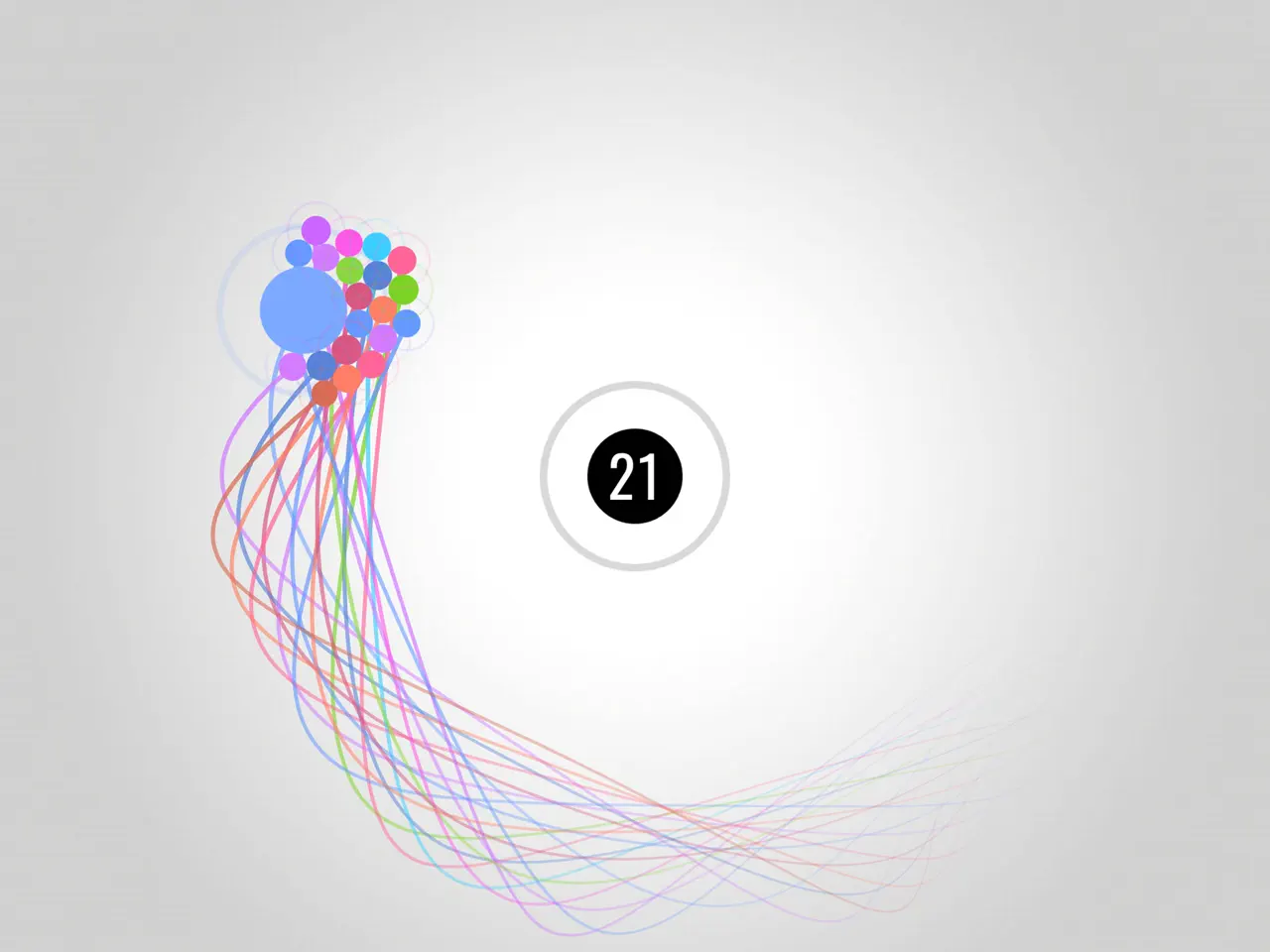
• Planets leave colored traces, so that at the end of a level you will have created a beautiful piece of art
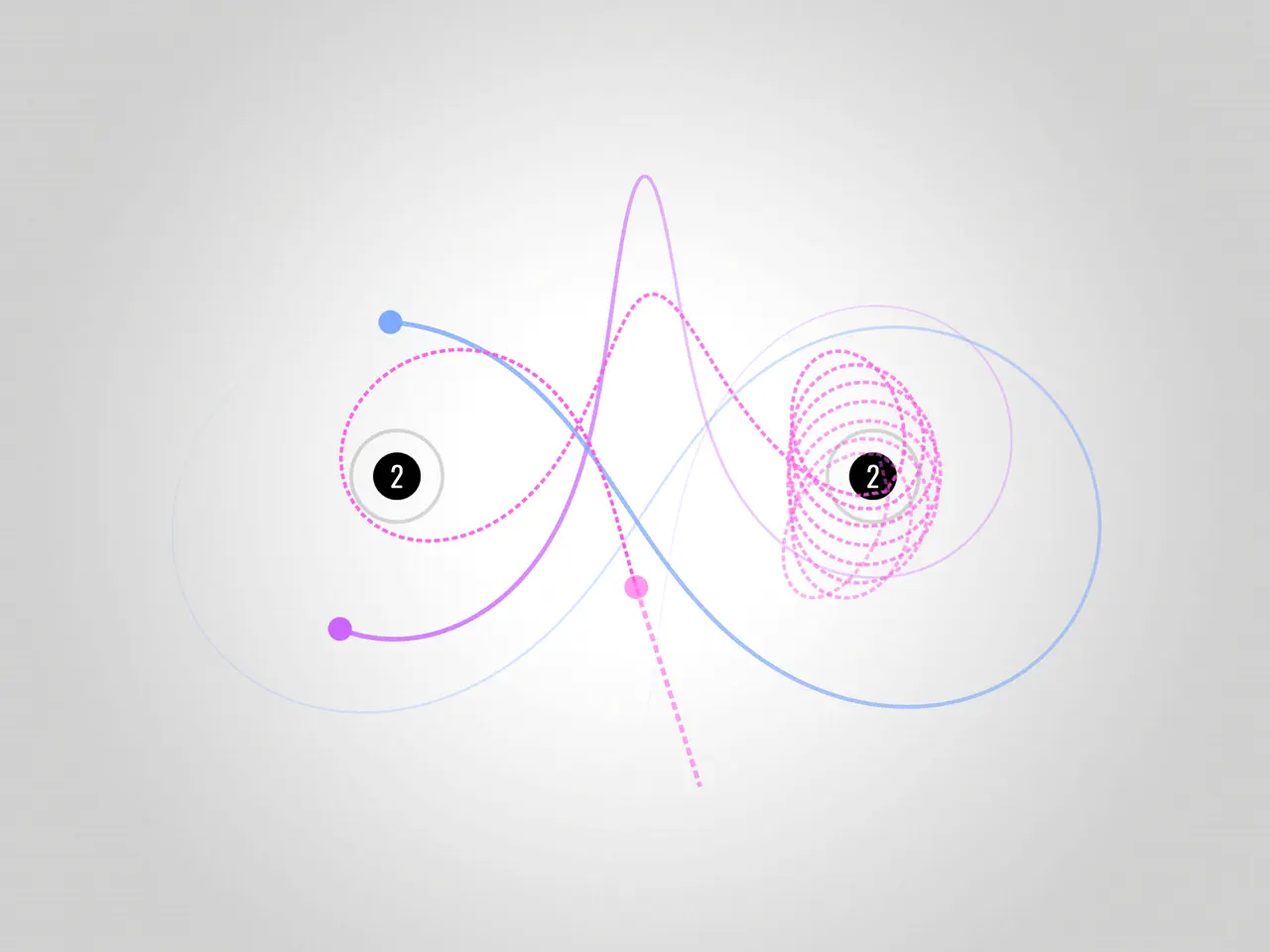
• See the future trajectory of a planet before you launch it
• Play in an environment of smooth, minimalist graphics while listening to relaxing classical piano
Follow on Twitter: https://twitter.com/highkeygames
Follow on Facebook: https://www.facebook.com/highkeygames


Orbit is a gravity simulator at the heart of a puzzle game. Launch planets to see if they can survive the pull of black holes. The game features 45 hand-crafted levels with increasing complexity, plus a sandbox mode where you can create your own systems. The minimalist visuals and soothing trails make it a highly meditative experience.
45 free levels with unique mechanics
Sandbox mode for custom level creation
Infinite community-created levels
Mesmerizing physics-based visuals
Dark Mode and minimalist aesthetic
In Sandbox mode, you can place your own black holes and planets. Adjust time speed and collisions to create beautiful celestial dances and share them with the world.
Unlike standard black holes, repulsive ones push planets away, requiring different launch strategies to maintain orbit.
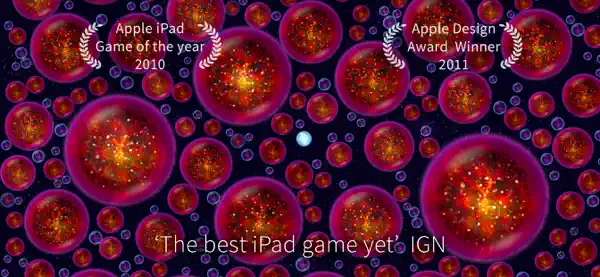
Osmos is one of those rare mobile titles that actually respects the player’s intelligence. It’s built on a singular, clean mechanic: to move, you must lose a part of yourself. This creates a tension that most 'zen' games lack. It’s a slow burn, almost too slow at times, and the later levels can veer into frustration due to the sheer patience required. I appreciate the lack of clutter. No aggressive microtransactions, no flashing lights. Just you, the motes, and a very well-composed soundtrack. However, it’s not exactly 'fun' in the traditional sense. It’s more of a spatial exercise. For a man my age, it's a nice change of pace from the loud, messy industry standards, but I can’t help feeling it lacks a bit of 'meat' on its bones for a long-term play.
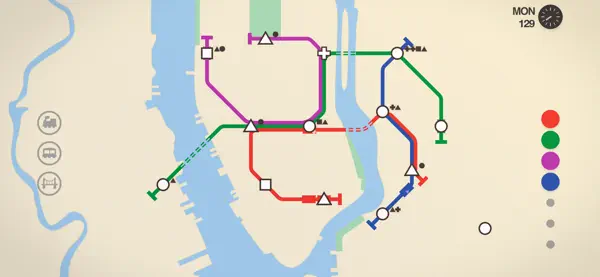
I appreciate efficiency, and Mini Metro is efficiency distilled into an app. It starts out so peaceful—just three stations and a single line—but within ten minutes, you're frantically re-routing a tunnel to save a station from overcrowding. It captures the essence of a management sim without the bloating menus and sub-menus that ruin the genre on mobile. The visual language is perfect; it tells you everything you need to know through simple geometric shapes. It’s a 'hard' game in the sense that failure is inevitable. You’re just seeing how long you can last. That might annoy some people who want to 'win,' but for a conservative gamer like me, the clarity of the challenge is refreshing. There’s no fluff, no microtransactions, just a pure test of your ability to plan and adapt. The sound design is procedural and evolves with your map, which is a brilliant touch. It’s one of the few mobile games I’d call essential.
It’s basically QWOP for your thumbs. The physics are intentionally clumsy, and watching the creature fall over is the only real entertainment. It’s funny at first, but once you realize you’re just tapping to avoid a physics-calculated failure, the charm wears off. It’s a 'gimmick' game. As a 40-year-old, I don't have the patience for games that are designed to be difficult just to be 'quirky.'
Dinsun here. I like the ambition of Tiny Space Program. It’s trying to be a pocket-sized Kerbal Space Program with more emphasis on the 'Program' than the 'Kerbal.' There’s a lot to manage—research, funding, mission planning—and it’s genuinely satisfying to see a long-term project come to fruition. However, the UI is a mess. It’s full of tiny buttons and nested menus that are a chore to navigate on a phone screen. It feels like a desktop game that was shrunk down without much thought for ergonomics. If you can get past the interface, there’s a solid simulation here for those who like crunching numbers and planning trajectories. It’s a bit dry, but I’d take dry and deep over flashy and shallow any day.
This game is a mess visually, but if you can get past the PS1-era graphics, there’s actually a decent golf engine under the hood. The physics are more realistic than most of the arcade-style golf games on the store, and the course variety is impressive. However, the UI is a disaster. Navigating menus is like trying to solve a puzzle in the dark. It’s clearly a passion project from a developer who cares more about the sport than the user experience. I can respect the effort, but I can't enjoy the execution. It’s too janky for me to recommend to anyone who isn't a die-hard golf nerd who has played every other game on the market.
I’ve gone fishing once or twice, and I remember it being more exciting than this. i-Fishing is an earnest attempt at a sim, but it’s crippled by its own technical limitations. The water looks like blue gelatin, and the 'excitement' of catching a fish is mostly just fighting with the unresponsive touch controls. Driving the boat is a chore, and the fish finder is more of a decorative element than a useful tool. It has a lot of content—plenty of lakes and lures—but the core gameplay loop is just too clunky to be enjoyable. It’s a relic from the early App Store days that hasn't aged well at all.
I remember when the first Virtual Villagers came out; it was a neat concept. This sequel adds more puzzles and depth, but it hasn't solved the core issue: the villagers are incredibly stupid. If you don't check on them every few hours, they will starve to death standing next to a bush of berries. It’s less 'God game' and more 'Babysitting simulator'. The real-time mechanic is a double-edged sword. It’s great for a sense of persistent world, but it punishes you for having a life outside the app. The graphics are colorful but look like a late-90s PC title, which is nostalgic for me but probably ugly for everyone else. It’s a fine time-waster, but the lack of direct control over your little people will drive you mad if you're a perfectionist like me.
This is the kind of game that gave mobile gaming a bad name in the early days. It relies entirely on tilt controls that are about as precise as a hammer. The graphics are embarrassing—low-poly models and muddy textures that make the 'epic jumps' look like a glitch in a 1998 simulator. There’s no sense of speed, no sense of height, and certainly no sense of excitement. It’s a repetitive loop of tilting your phone and hoping the physics engine doesn't decide to freak out. It’s a waste of storage space. I’ve had more adrenaline rushes checking my mail.