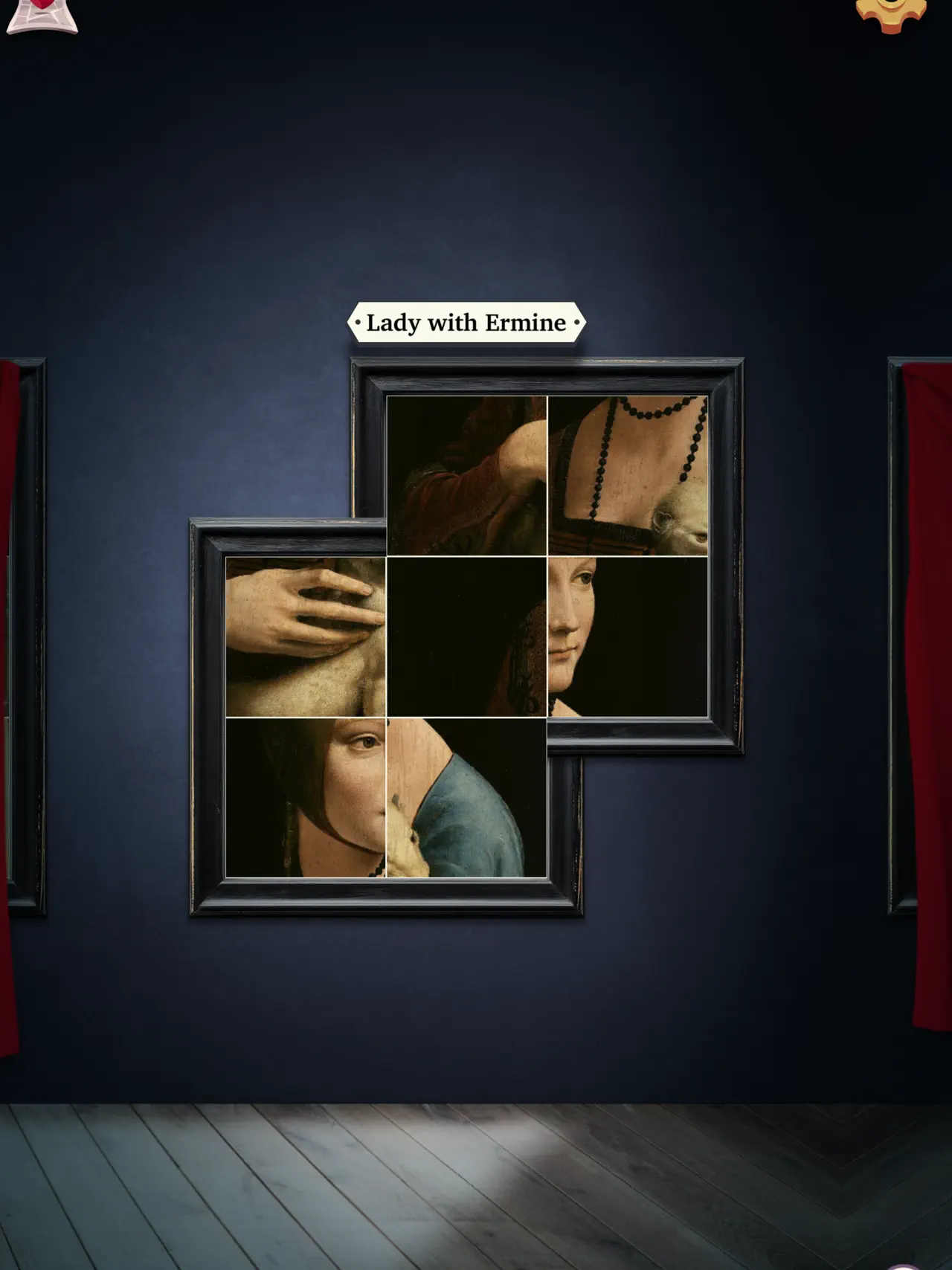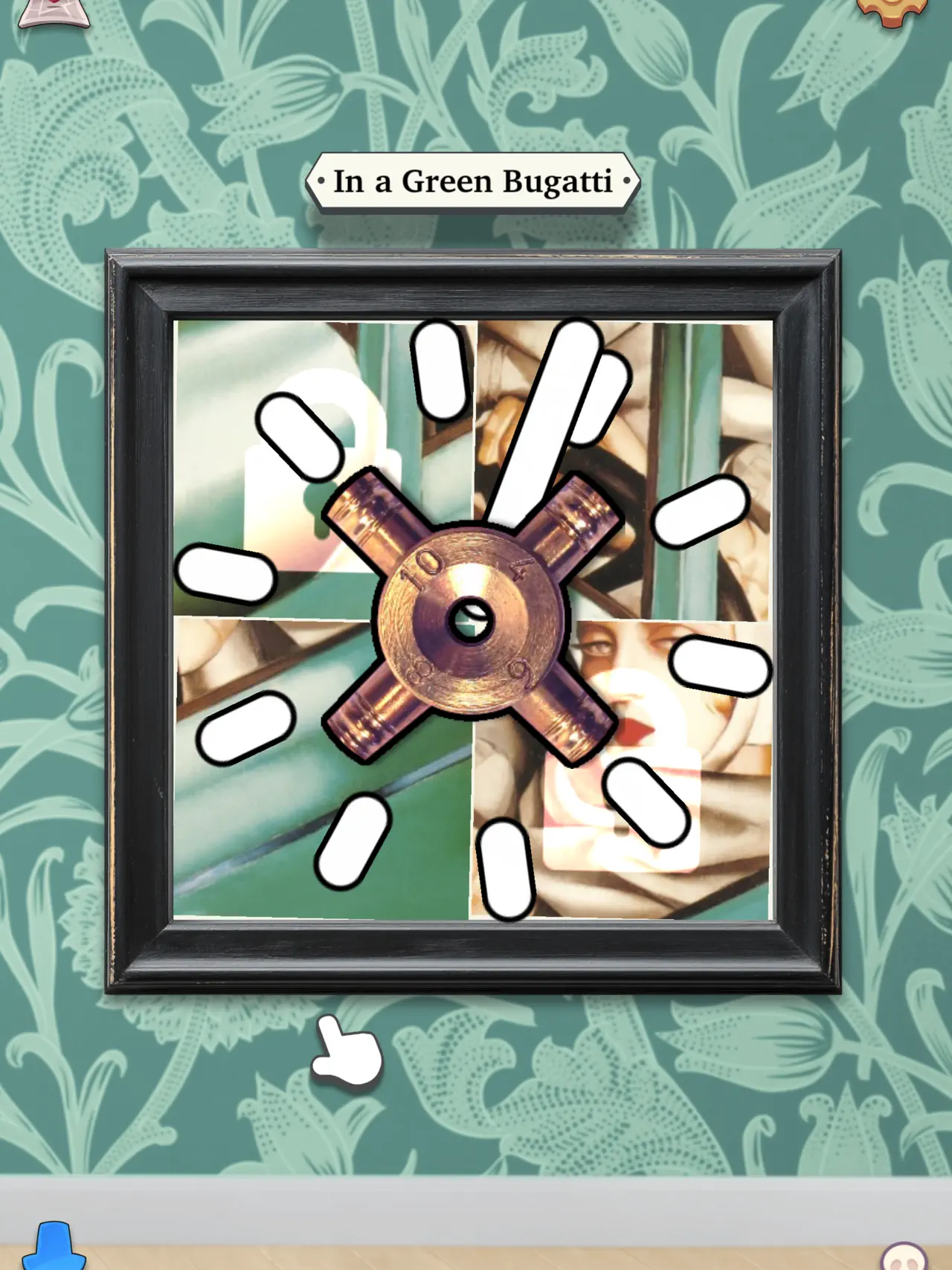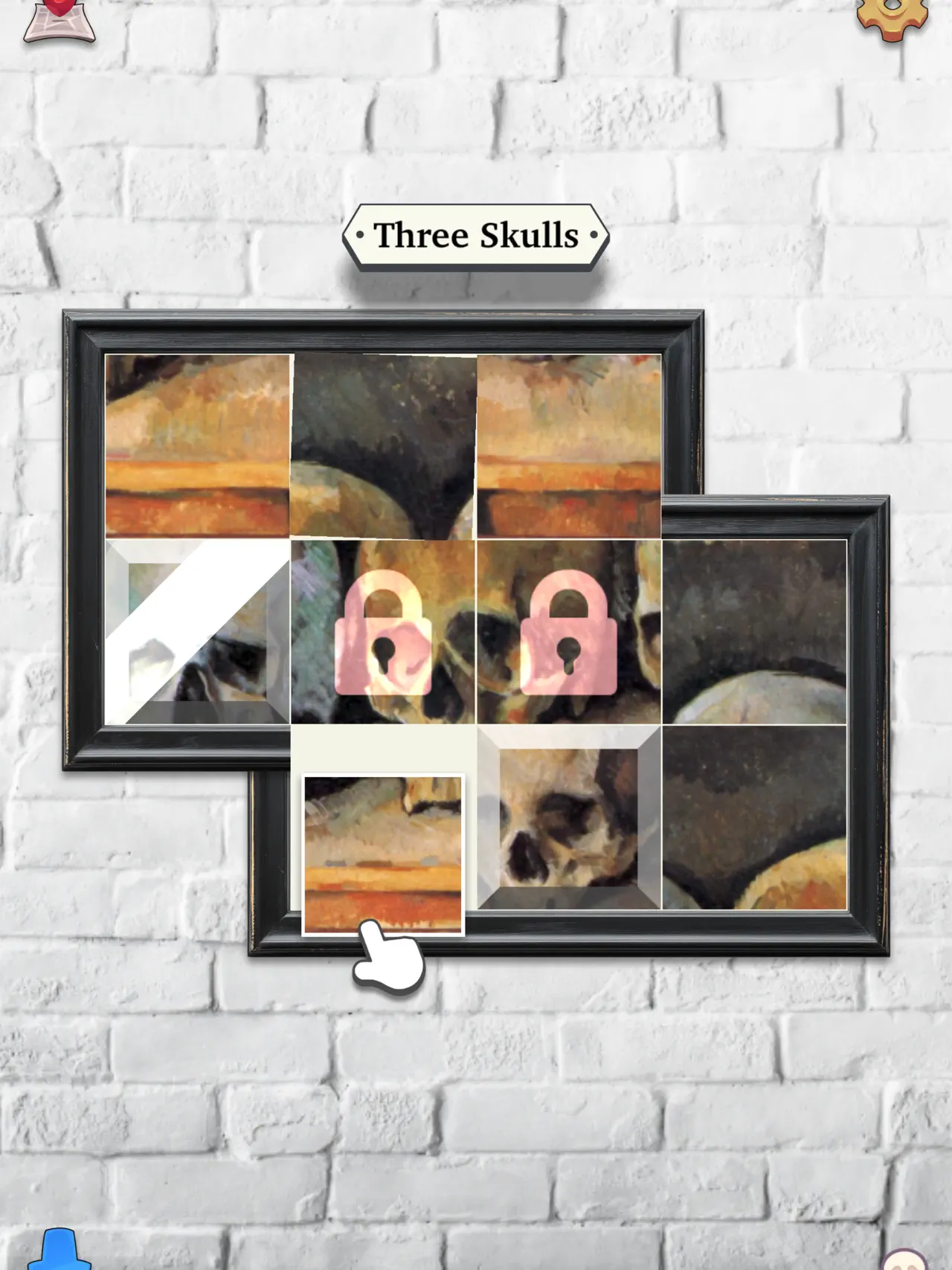
Museum of Scrambled Art is a breath of fresh air in a sea of generic jigsaw apps. The hook here is the quality of the source material. Piecing together a high-resolution Van Gogh or Da Vinci feels significantly more rewarding than a stock photo of a puppy. It actually makes you appreciate the brushstrokes and the composition of the classics.
The educational snippets are the cherry on top. I walked away from a session not just feeling relaxed, but actually knowing more about the Italian Renaissance. The interface is unobtrusive, and the 'Edge Filter' is a godsend for the higher piece counts. It's a must-have for art history buffs or anyone looking for a truly zen puzzle experience.
Dinsun here. Finally, a game with some actual class. Museum of Scrambled Art is a breath of fresh air. It’s a simple concept—restoring scrambled paintings—but the Rubik’s-style movement makes it a satisfying logical challenge. What I really appreciate is the lack of nonsense. No ads, no 'daily rewards,' no constant pestering. It’s just me and the art. I actually learned a thing or two about Keith Haring while playing, which is more than I can say for 99% of the 'educational' trash out there. The UI is a little plain, and I noticed a few typos in the text, but the developer seems to care and is actively fixing them. It’s a bit niche, sure, but if you’ve got a brain and an appreciation for art, this is a must-have. This is what mobile gaming should be.
Performance: Requires iOS 18.1; very stable performance with excellent accessibility options.
Buy if: You love art history, logic puzzles, and premium, ad-free experiences.
Skip if: You want high-speed action or find slow-paced logic games boring.
Available on: iPhone, iPad
Version 1.0.6Tue Dec 30 2025
- Fixed small typos in painting descriptions
- Each painting now has year made and current place of display
- Added new language: Polish
- UX improvements and small bug fixes
Requires iOS 18.1 or later. Compatible with iPhone, iPad, and iPod touch.TRY FOR FREE WITHOUT ADS AND UNLOCK FULL GAME WITH ONE TIME PURCHASE.
Museum of Scrambled Art is a cozy puzzle game, where you need to find a way to unscramble the paintings and discover the history of the art pieces. Inspired by classic combinatorial puzzle games like Rubik’s Cube, this game challenges your logical thinking. Each puzzle is carefully crafted to provide a challenge, but also let you discover sometimes not-so-famous artists who also deserve our attention.
Discover several rooms filled with famous artists like Vincent Van Gogh, Leonardo da Vinci, but also lean into artists you probably have not heard of like Zdzisław Beksiński or Keith Haring.
Game has no advertisements, and offers 15 puzzles for free, with an option to unlock full game for a one time purchase.
ACCESSIBLE FOR EVERYONE
Total over 70 paintings for you to discover and unscramble, with gradually increasing difficulty, optional rooms with more challenging paintings to test your skills.
Those focused on casual exploration can explore puzzles in any order with “Unlock all puzzles” accessibility option.
DISCOVER AMAZING ARTISTS
Carefully curated artists and paintings will help you dive into a vast world of art. Each puzzle comes with interesting facts and back story, for those who want to learn a bit too.
RELAXING STROLL THROUGH THE WORLD OF ART
Chill atmosphere while exploring the museum, simple yet beautiful graphics, with cozy music to guide you every step of the way.


Museum of Scrambled Art turns the world's greatest galleries into a series of challenging puzzles. From the Mona Lisa to Starry Night, you must piece together these masterpieces that have been scrambled. The game provides a relaxing atmosphere with classical music and informative trivia about each painting once it's completed. It's an educational and calming experience for art lovers and puzzle enthusiasts alike.
100+ Famous Masterpieces
Adjustable Difficulty
Educational Art History
Soothing Soundtrack
A profile on how this game brings art history to a new audience.
After completing a puzzle, tap the 'i' icon. This unlocks a detailed history of the artist and the techniques used in that specific painting.
Puzzles can be adjusted from a simple 20 pieces up to a challenging 500-piece grid.
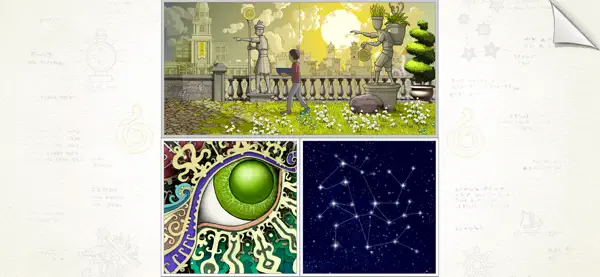
I don't often call games 'art,' but Gorogoa deserves the title. The way the panels interact—zooming in, sliding across, and layering over one another—is nothing short of magical. It requires a type of lateral thinking that most modern 'puzzlers' don't even attempt. Every frame is hand-drawn and meticulously detailed, making the act of discovery a genuine pleasure. However, I have to be the voice of reason here: it is incredibly short. I finished the entire experience in under two hours. For a premium-priced game, that’s a tough pill to swallow, no matter how beautiful the art is. There is zero replay value once you know the solutions. It’s a masterful experience while it lasts, but once the credits roll, you're left wishing there was ten times more content. It’s a high-quality product, but the value-to-playtime ratio is disappointing.
Enigmo takes me back to the early days of the iPhone. It was revolutionary then, and it’s still 'fine' now. The core loop of placing a bumper and watching a droplet bounce is satisfying in a basic way. However, the 3D graphics haven't aged gracefully—they look like early PS1 tech. The difficulty curve is also all over the place; you'll breeze through five levels and then hit a brick wall that makes you want to throw your phone. It’s a classic, but the world has moved on to more elegant physics puzzles like Portal or The Witness.
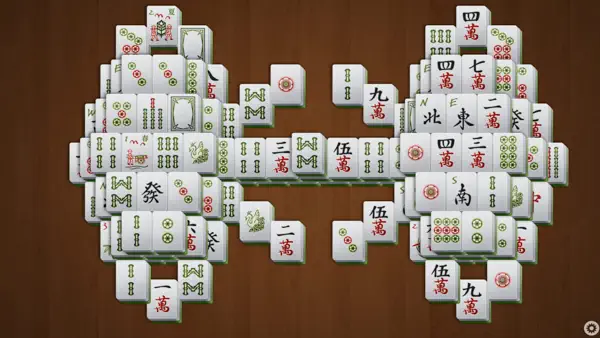
Look, it's Mahjong. We’ve been playing this on PCs since the 80s, and this version doesn't do much to justify its existence beyond portability. It’s competent enough—the tiles are legible and the touch controls don't fight you—but it lacks any sort of soul or modern flair. The variety of layouts is the only thing keeping it from being a total snooze-fest, though even those start to feel repetitive after an hour. It’s the kind of game you play while waiting for a flight because you have nothing better to do. It’s fine, but 'fine' doesn't get a high score in my book. If you're looking for innovation, keep walking; if you want a digital paperweight that occasionally lets you click tiles, here it is.
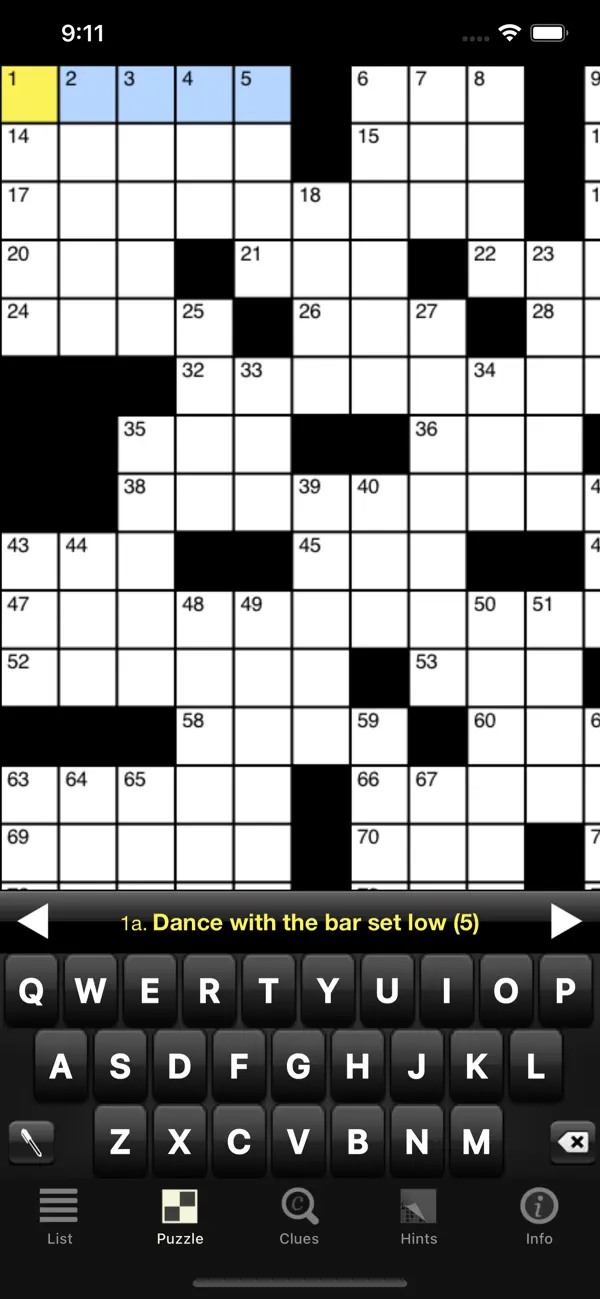
I've spent years with a pen and a newspaper, so I have a high bar for crosswords. This app manages to fit the content in, but it loses the tactile satisfaction of the real thing. The interface is utilitarian, which is better than being cluttered, but it feels sterile. The puzzle quality varies wildly depending on the source, and some of the clues are frankly nonsensical or dated. It does what it says on the tin, but I struggle to find the 'pro' in this 'classic' experience. It’s a decent way to kill time, but it won't replace a Sunday morning ritual for anyone who actually cares about the craft of puzzling. It's serviceable, but largely forgettable software.
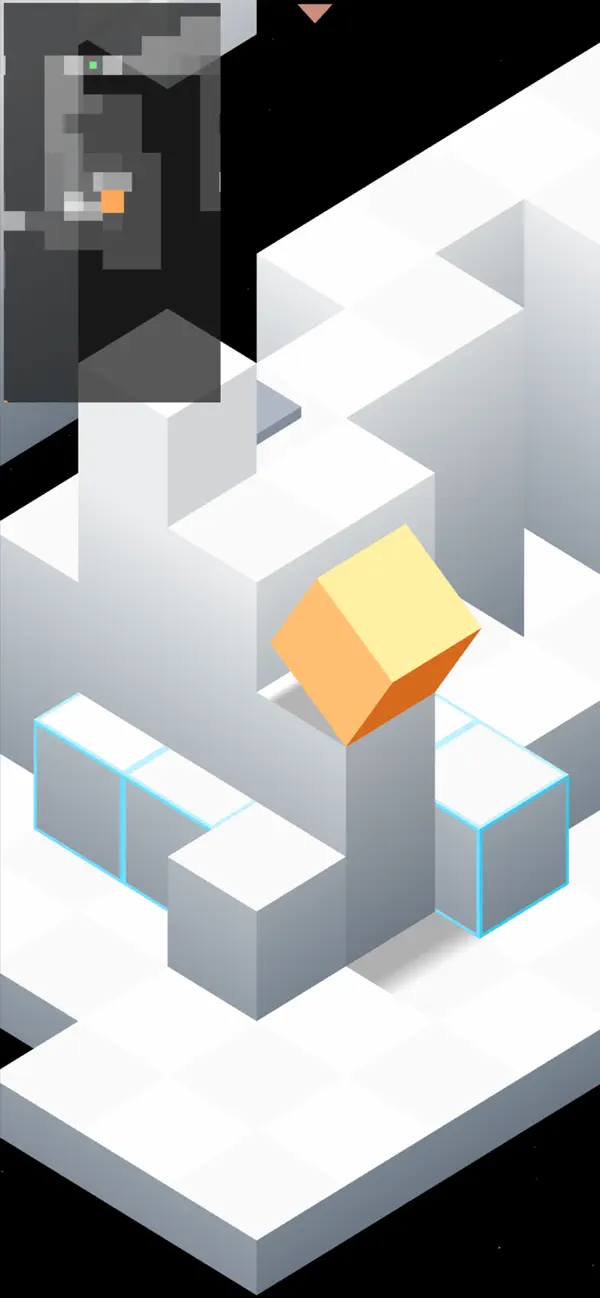
EDGE is a relic from a time when mobile games actually tried to be games rather than slot machines. Its brilliance lies in its simplicity. You're a cube. You roll. That's it. But the level design is so tight and the physics are so predictable that every failure feels like your own fault rather than a glitch in the system. The soundtrack is the real star here—a pulse-pounding electronic score that fits the 'cyber-industrial' aesthetic perfectly. My only real complaint is that the difficulty spikes can be frustrating, especially with touch controls that occasionally misinterpret a swipe. It hasn't changed much over the years, which is both its strength and its weakness. It’s a pure, unadulterated puzzle-platformer that doesn't feel the need to hold your hand.
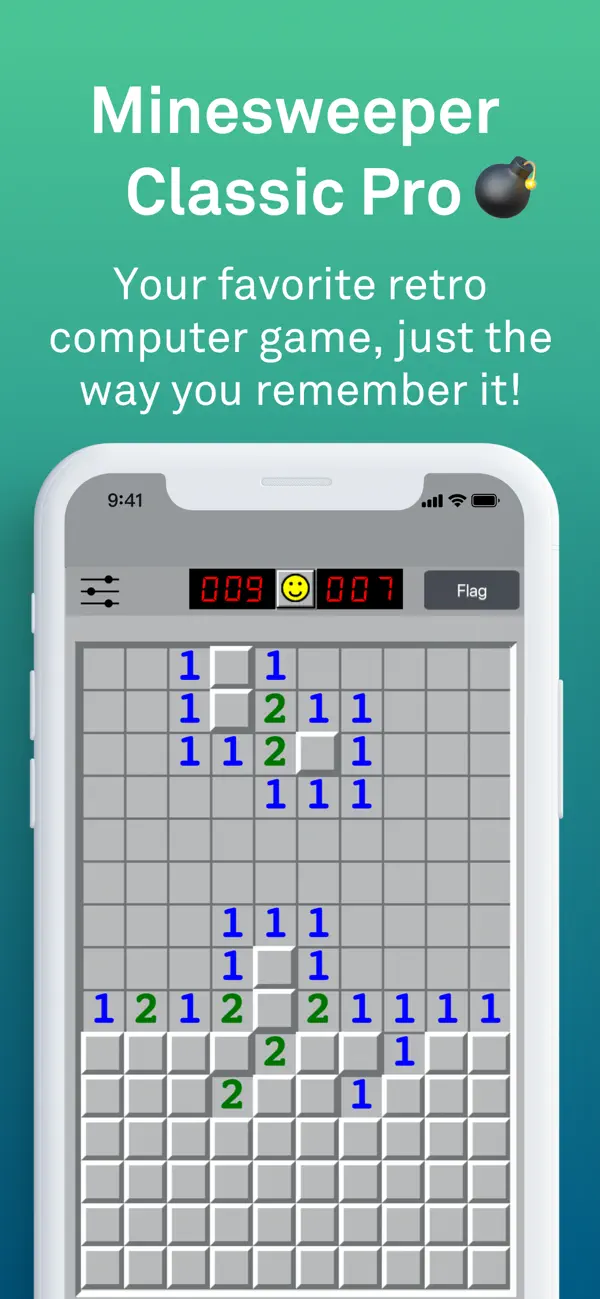
I’ve cleared thousands of Minesweeper boards in my life, and this app doesn't change anything about that experience. It’s Minesweeper. The controls are a bit fiddly on a small screen—I’ve detonated more than a few mines just by fat-fingering a square—but the logic is sound. It’s a perfect 'waiting for a bus' game. There’s no bloat, no forced ads (in this version), and no nonsense. But there’s also no reason to be excited about it. It’s a solved game that we’ve all played for thirty years. If you don't have a version of Minesweeper on your phone yet, this one is perfectly adequate. Just don't expect it to change your life.
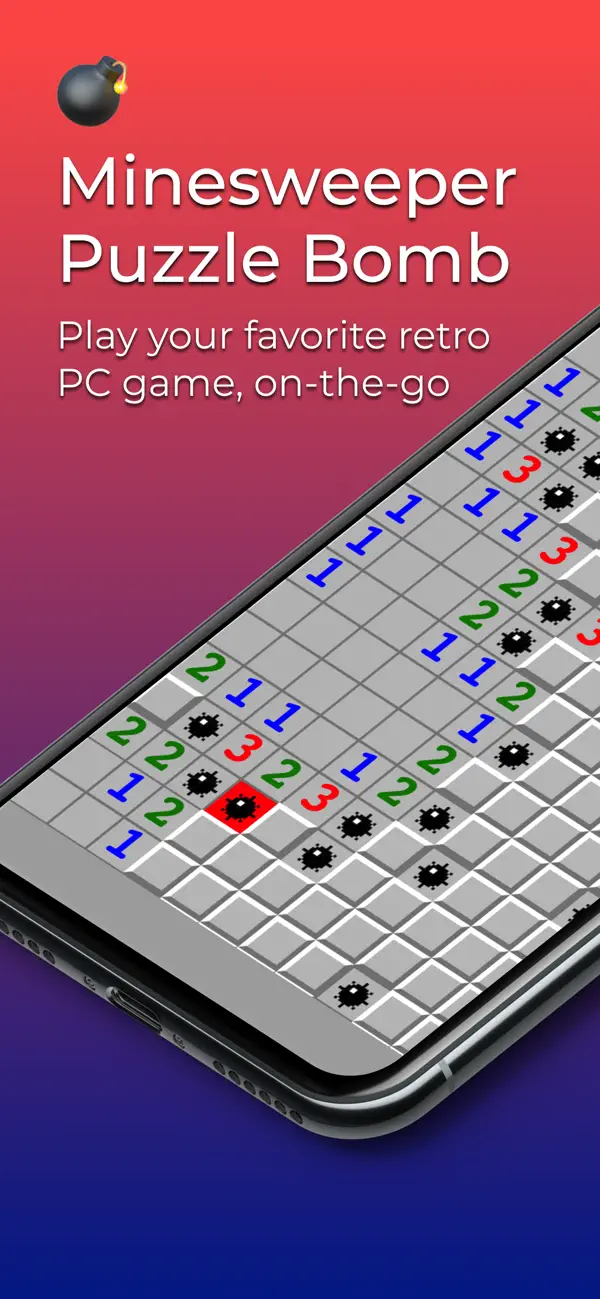
This is just Minesweeper with a fresh coat of paint, and not a particularly good one. The 'Bomb' aesthetic feels forced, and the UI is actually a bit more confusing than the standard classic version. I don't see why I would choose this over a more traditional layout. It’s fine, it works, and the logic is the same. But it feels like it’s trying too hard to be 'modern' and 'exciting' for a game that is fundamentally about staring at numbers. Stick to the classic versions; this one just feels like clutter.
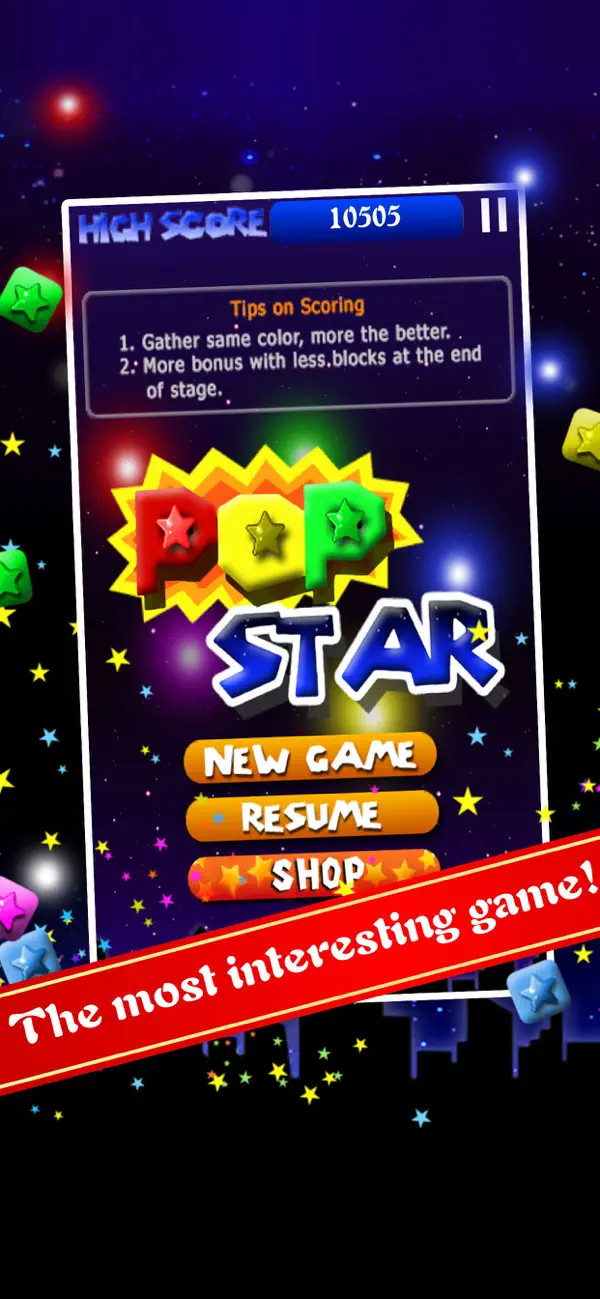
PopStar is the kind of game I find sitting in the 'Top Free' charts that makes me lose faith in the market. It’s barely a game; it’s a repetitive clicking exercise. There is no strategy beyond 'click the big group.' The visuals are incredibly dated, looking like something from a late-90s web browser. It's meant to be 'relaxing,' but it’s actually just boring. There are no stakes, no interesting mechanics, and no reason to choose this over a decent match-3 game.