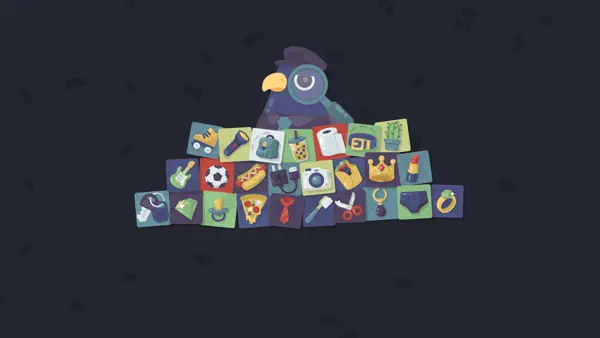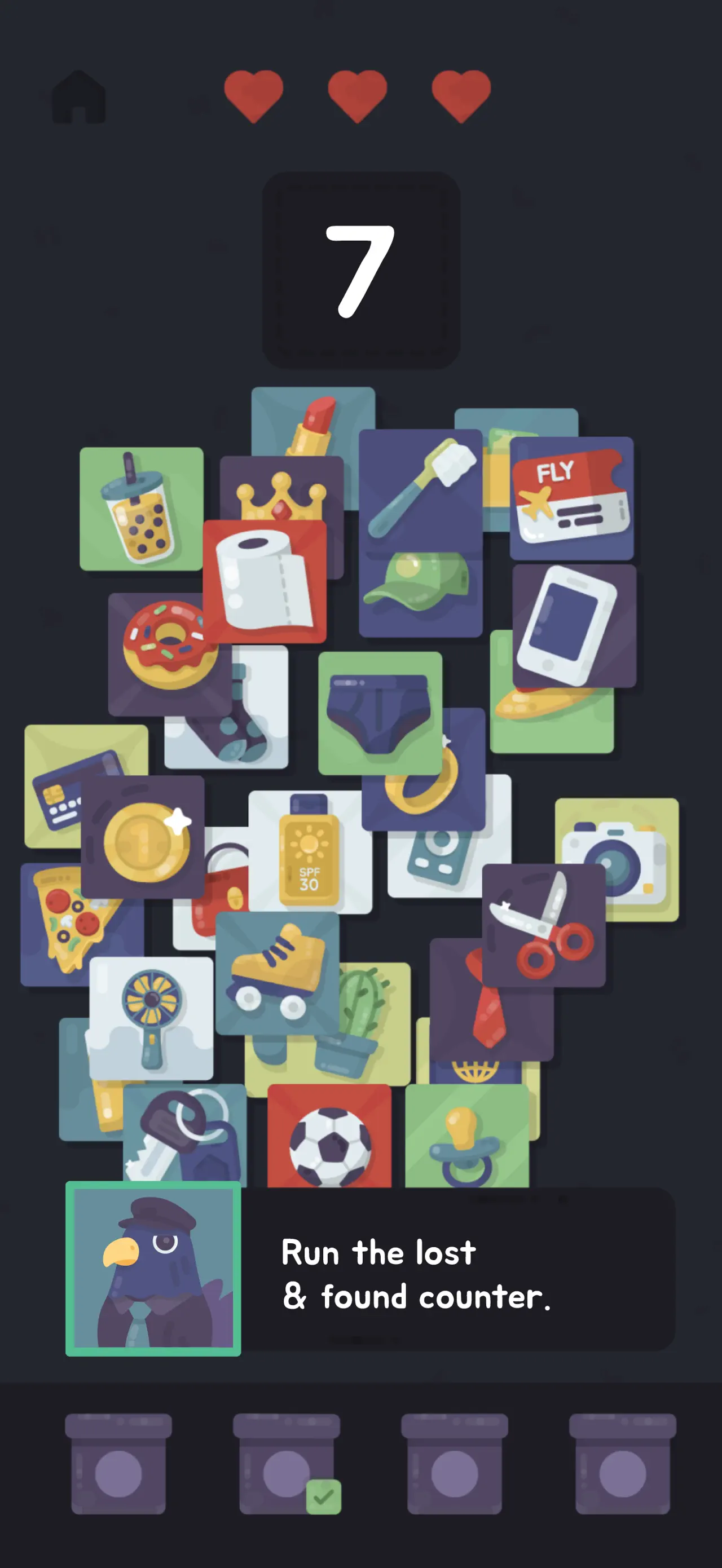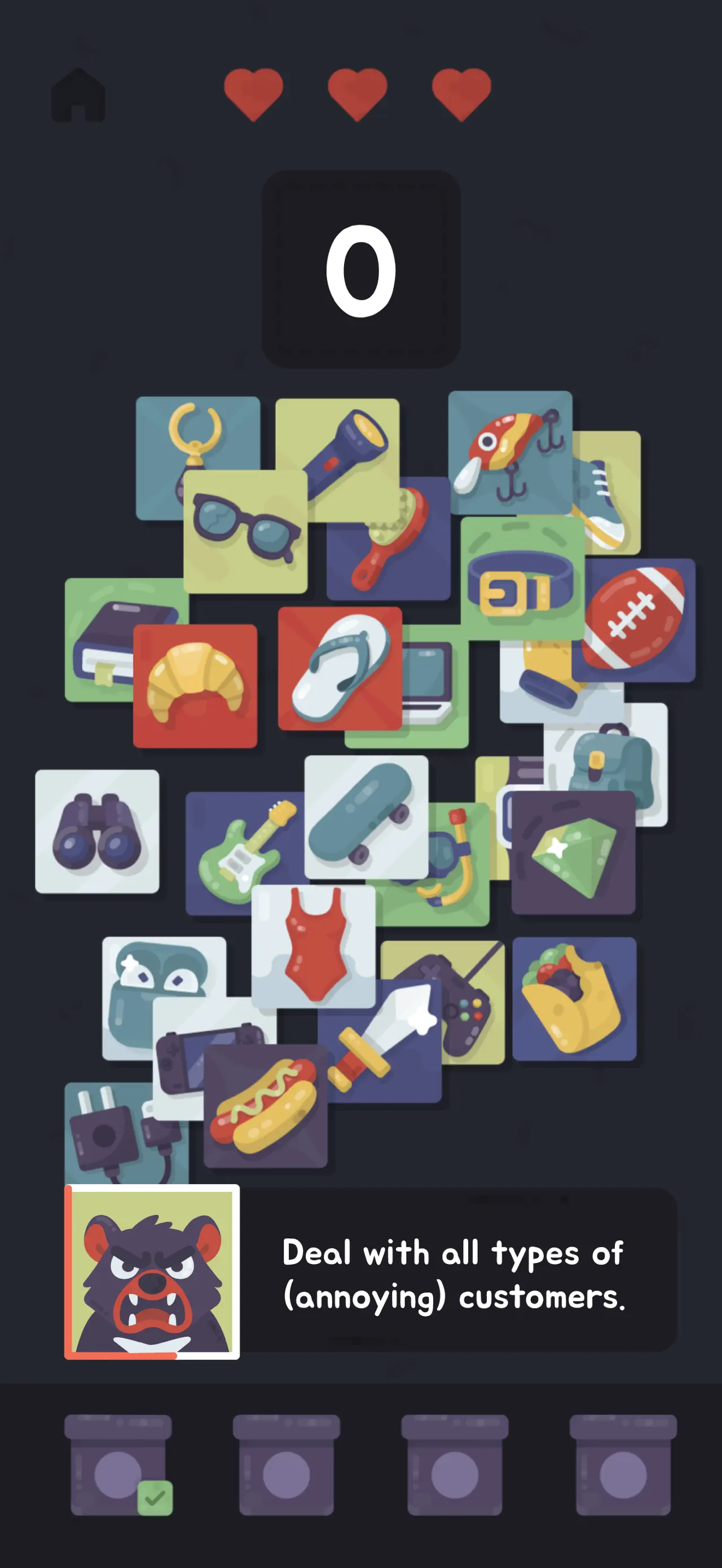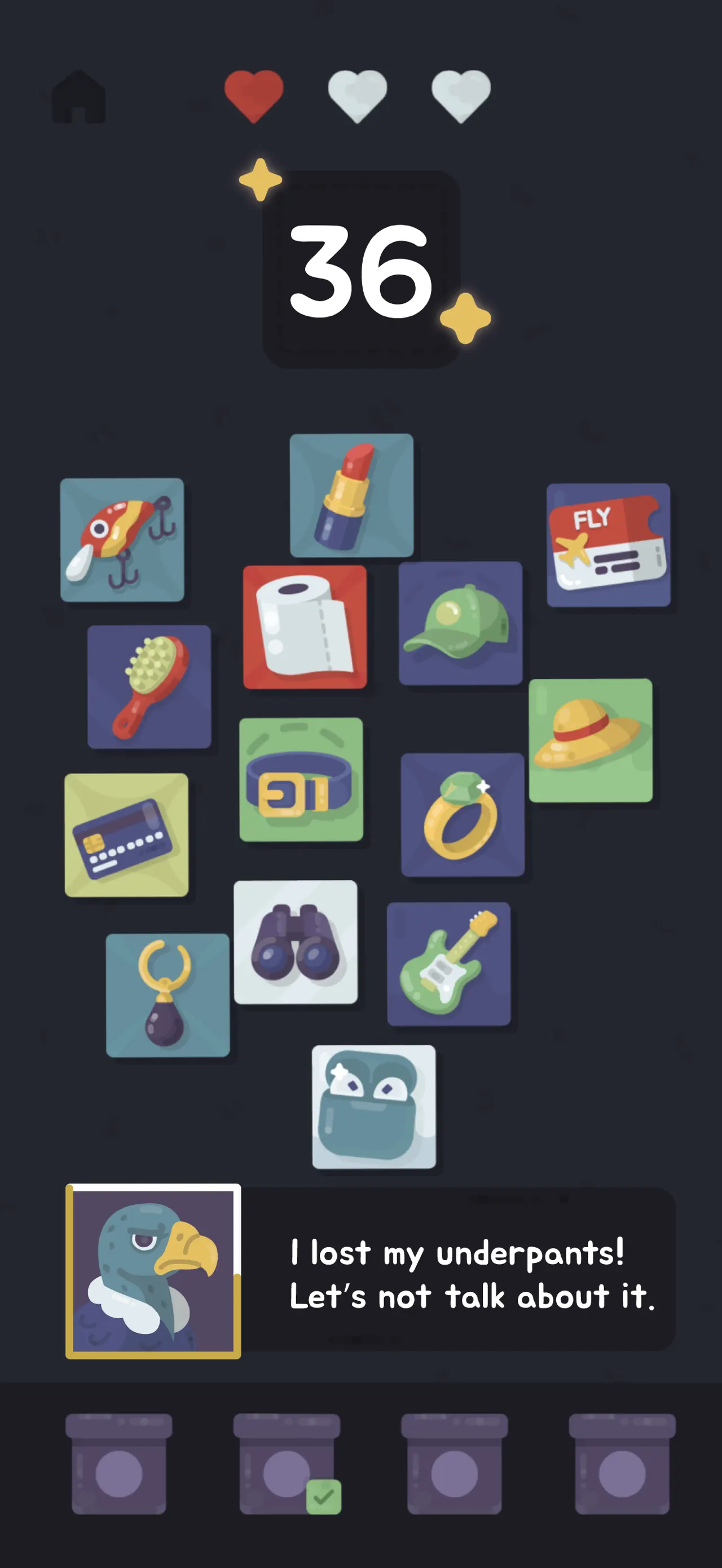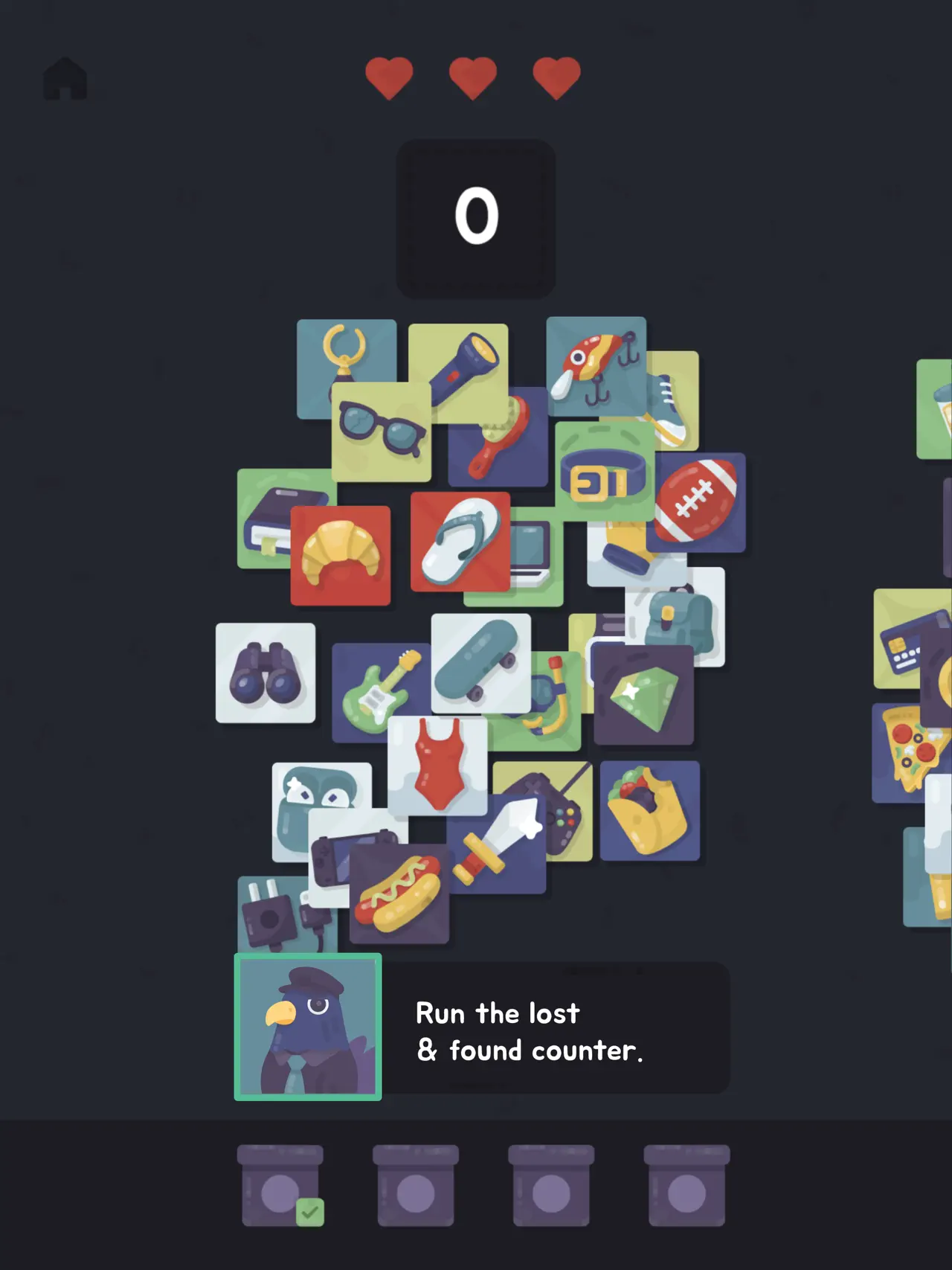
Is This Yours? is a masterclass in 'cozy detective' gameplay. The premise of running a lost-and-found for a supernatural community is brilliant, and the execution is even better. It manages to make the simple act of searching through a bin feel rewarding through witty dialogue and clever visual clues.
What really grabbed me was the personality of the NPCs. Each character feels distinct, and their descriptions of lost items are often riddles in themselves. It’s a perfect 'waiting-room' game—engaging enough to keep your brain moving, but low-stress enough to enjoy in short bursts. The art style is wonderfully quirky, feeling like a high-end indie comic book come to life.
Hidden object games are the background noise of the App Store. 'Is This Yours?' at least tries to have a visual identity. The art is charming in a way that reminds me of children's book illustrations, which is a nice break from the hyper-realistic stock photo mess most of these games are. The scenes feel a bit more lived-in, which I appreciate.
However, at the end of the day, I’m still just squinting at a screen to find a hidden thimble. There is no innovation here. No clever mechanical twists. It’s just 'click the thing on the list.' For a 40-year-old gamer, this is barely a game—it's more of a vision test. It’s okay for a quick distraction, but it’s not something I’d ever recommend paying for or spending significant time on. It's a 48—better than the trash, but far from good.
Performance: Runs well; zooming in on scenes is smooth and doesn't lose much detail.
Buy if: You find the act of finding hidden objects therapeutic and like the art style.
Skip if: You want any kind of mechanical challenge or original gameplay.
Available on: iPhone, iPad, iPod
Version 1.2.6Thu Nov 27 2025
Winter update is here!
- New festive items like candy canes, snow globes and ugly Christmas sweaters, all with a holiday charm!
- In the new theme, items appear in new places each time! So no more memorizing spots, it's chaos.
- Our confused detective is now rocking a Santa hat.
Requires iOS 12.0 or later. Compatible with iPhone, iPad, and iPod touch.Welcome to the most chaotic job: running the Lost & Found counter! Sort through dozens of ridiculous lost items to match customers with their missing things. all this while the boss is watching you. From earbuds, burritos, passports and a suspiciously emotional teddy bear, every request is a test of speed, memory and sharp eyes.
What to expect?
- Fast-paced item matching (the faster an item is returned, the more reputation awarded)
- Hilarious characters and absurd requests
- Fast-growing challenge as more lost items pile up
- Increasingly impatient customers
- Survival mode type of gameplay: 3 hearts available
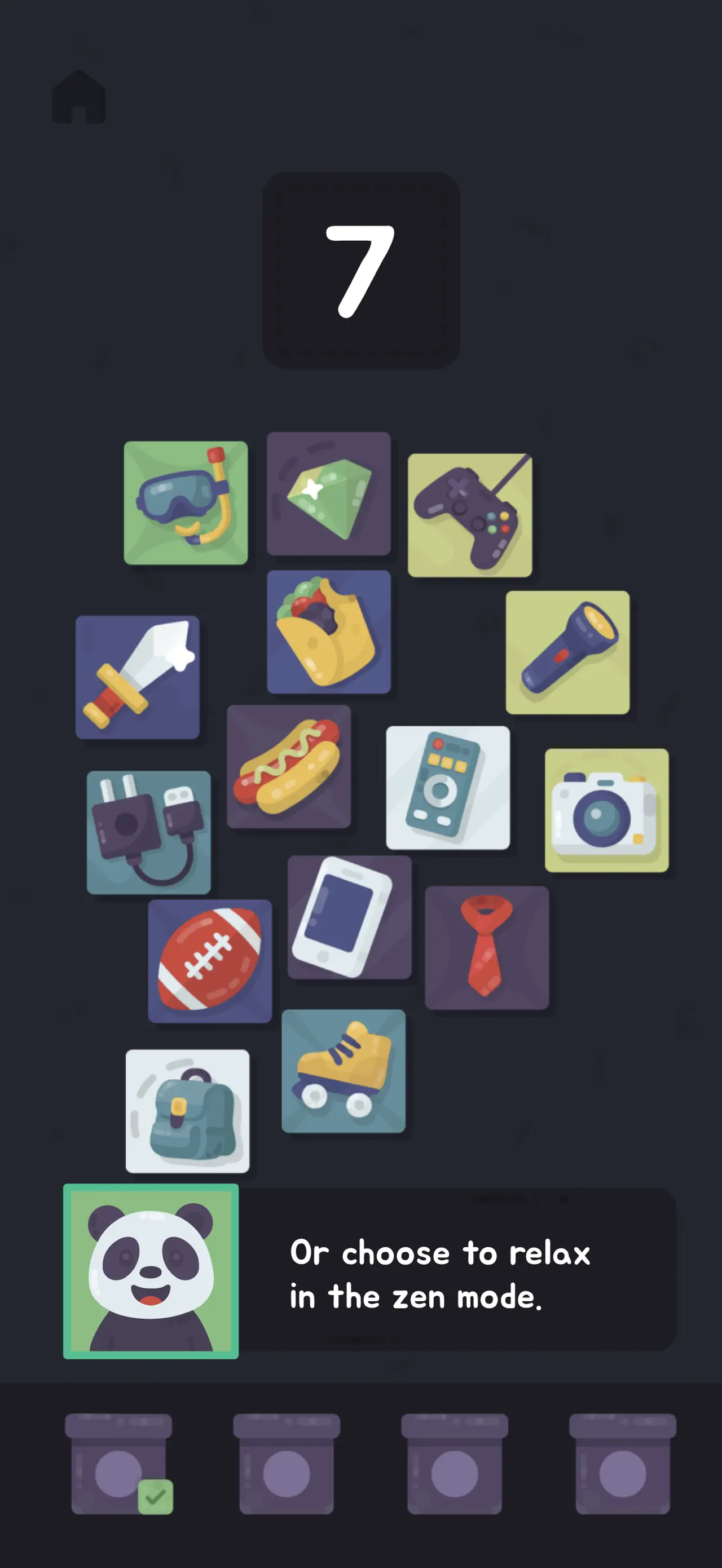
- ZEN mode for a relaxing, pressure-free experience
- A paid game: no ads, no tracking, no distractions, no data collected
- Haptic Feedback | Game Center | Leaderboards & Achievements
I made Is This Yours? as a solo developer: from the artwork to the animations to the code. It’s a little absurd, a little chaotic, and built with a lot of love. I hope it brings you a few smiles and some satisfying moments along the way. Enjoy running the world’s weirdest lost & found counter. Hurry! Customers are losing their minds and their stuff.


Step into the shoes of a Lost and Found clerk in a world where the items are as strange as the customers. In 'Is This Yours?', you must listen to cryptic descriptions and sift through a mountain of curiosities to find the correct match. From magical artifacts to mundane trinkets with a twist, every object tells a story. Use your powers of deduction and observation to clear your desk and keep your weird customers happy.
Quirky Supernatural Cast
Logic-Driven Puzzles
Dynamic Search Environment
Humorous Dialogue
Unlockable Office Decor
Drag and drop items to organize your workspace. Keeping similar colors or shapes together manually will help you find items faster when the timer starts ticking.
The item placements change each time you play, but the story-based customer requests follow a set progression.
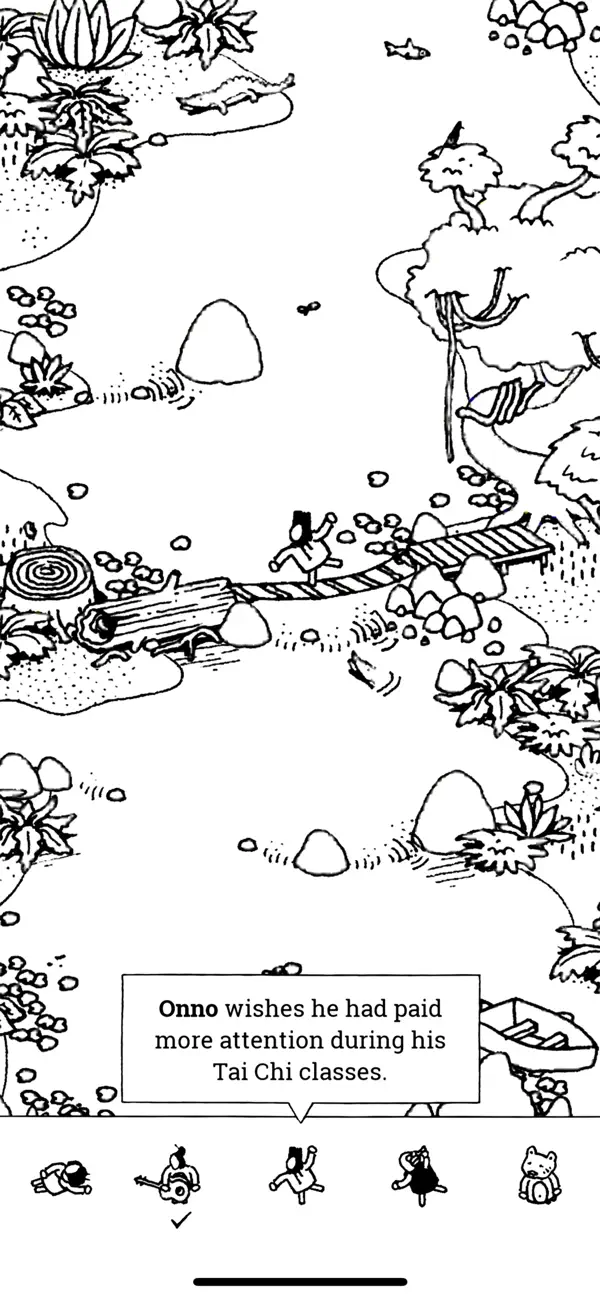
This is a rare treasure. In an era of procedurally generated nonsense, Hidden Folks is clearly made with love. The hand-drawn art is incredible, and the interactability of the environments is genuinely surprising. What I love most is the sound design—all mouth-made noises that give the game a quirky, human soul. It’s a slow-paced game for people who like to look closely. It’s not trying to be anything other than a beautiful, interactive 'Where's Waldo.' It’s simple, it’s honest, and it’s brilliant. I have almost nothing bad to say about it, which is saying something for me.
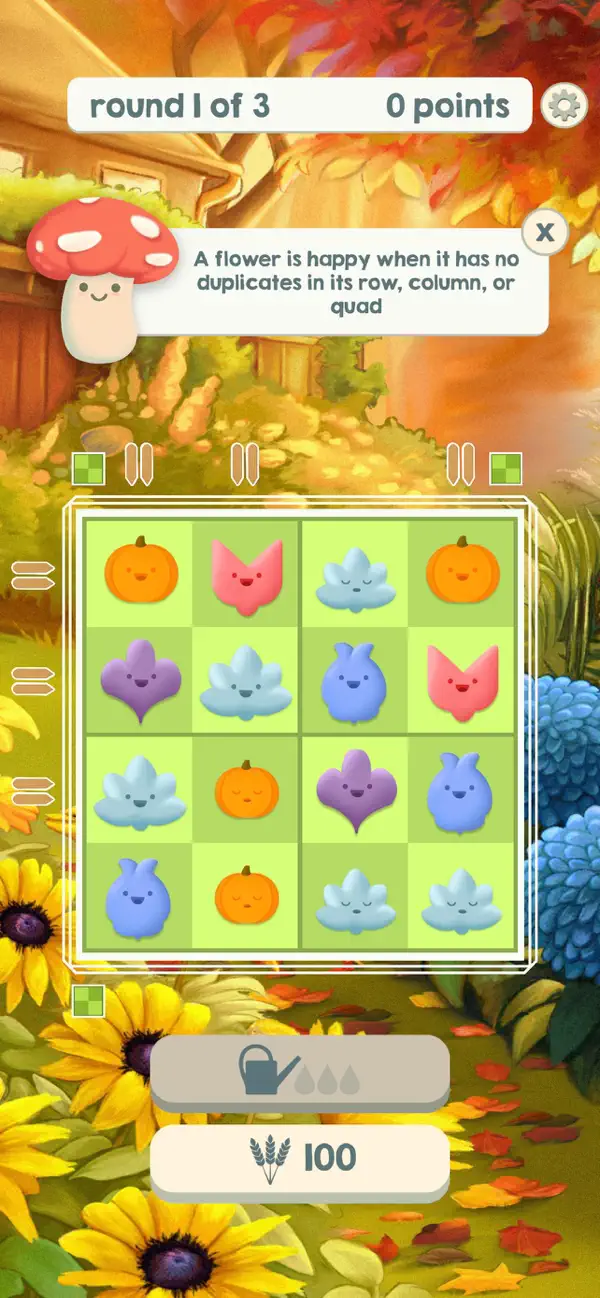
I have a soft spot for games that don't try to entertain me with bells and whistles. Primrows is all about the math. It’s a clean, quiet experience that expects you to use your head. There’s no plot, no characters, just a series of increasingly difficult puzzles that will make you feel like an idiot before you eventually feel like a genius. Technically, it's flawless because it's so simple. There's nothing to break. I appreciate the 'undo' button—it’s a necessity here. However, it’s not for everyone. If you need flashy animations or a sense of 'adventure,' you will be bored to tears. But if you're like me and enjoy a morning coffee with a logic puzzle, this is excellent. It’s a bit dry, sure, but the satisfaction of clearing a difficult board is genuine. It’s the digital equivalent of a high-quality wooden puzzle.
I’ve always had a soft spot for 'Where’s Waldo?' and Hidden Through Time 2 captures that vibe perfectly. The hand-drawn art is fantastic—it’s full of little jokes and animations that make the world feel alive. The new 'Reality Shift' feature is a smart addition, effectively doubling the search area without making it feel like busywork. However, it's not quite as polished as the first one on mobile. I’ve had issues where the game wouldn't register a tap on an item, forcing me to poke the screen like a madman. It breaks the 'cozy' immersion. The levels also feel a bit shorter than I’d like. It’s a great game for a quiet evening, but it needs a patch to fix the responsiveness issues before I can call it truly excellent.
Annapurna loves these 'artsy' projects, and I’m usually a sucker for them too, but only if they give me something to actually *do*. A Memoir Blue is stunning—the blend of 2D and 3D animation is some of the best I've seen on a mobile device. The story hits close to home for anyone with parent issues, and it does it all without a single line of dialogue. But calling it a 'game' is a bit of a stretch. You click a few things, drag an object, and then watch a cutscene. It’s an interactive short film. I finished it in about an hour. For the price, I expected a bit more depth in the puzzles or perhaps a reason to go back. It’s a fine piece of art, but as a game, it's a 'one and done' that leaves you wanting substance.
Teacup is what the younger crowd calls a 'cozy' game. As a man who grew up with games that actually tested your reflexes, I find this trend toward 'no-fail' experiences a bit soft. You walk around as a frog, talk to some locals, and solve very basic puzzles to get tea ingredients. There's no tension here. It’s well-made for what it is—the hand-drawn art style is legitimately impressive—but it lacks the staying power of a true classic. The narrative is paper-thin. You need tea; you find tea. It’s functional, but I’ve read grocery lists with more dramatic stakes. That said, it’s a peaceful way to kill an hour or two if you’re tired of modern shooters, though for the price, you aren't getting much content. It’s more of an interactive picture book than a game in the traditional sense. It's fine, but don't expect it to change your life.
This is a rare case where a mobile game actually tries to be an aesthetic experience rather than a slot machine. The puzzles are logical and well-constructed, which I respect. It doesn't scream at you with flashing lights or demand you buy 'energy' to keep playing. However, it's a bit too sterile for its own good. While the 'green' message is fine, the gameplay doesn't evolve enough to keep me engaged for long sessions. It's a decent 'bus stop' game, but it doesn't leave a lasting impression. It's fine, but in a world of thousands of puzzle games, 'fine' is a hard sell for someone who has seen it all before.
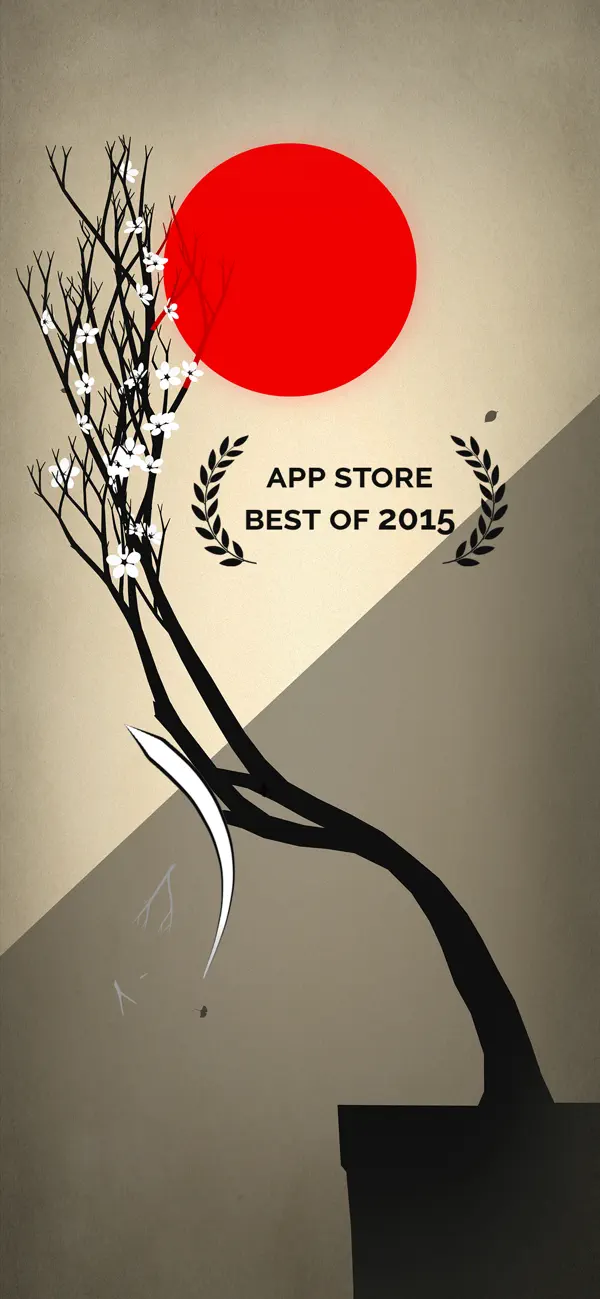
I usually have no patience for 'art games,' but Prune is different. It’s simple. You cut the branches to make the tree grow toward the light. It’s tactile and satisfying in a way that most screen-tapping games aren't. There are no scores, no leaderboards, and no flashing lights. It’s quiet. Sometimes, at 40, that's exactly what you need. The difficulty curve is gentle, though some later levels can be frustrating when the wind mechanics don't seem to cooperate with your cuts. It’s more of an experience than a 'game' in the traditional sense. It’s short, and you won’t play it twice, but the visuals will stick with you. It’s an example of how to use a touchscreen for something other than shooting or swiping on a dating app.
In an industry that usually screams for your attention with flashing lights and loot boxes, Cessabit is a rare, hushed whisper. I appreciate the maturity shown here. It isn't trying to be an epic; it's a series of beautiful, monochromatic drawings that ask you to look—truly look—and then remember. It’s a memory test disguised as a meditation session. The hand-drawn aesthetic is wonderful and shows more soul than a thousand 3D-rendered shooters. However, as a 'game,' it is exceptionally short. Once you’ve completed the scenes, there is little reason to return. It’s more of a digital art book with interactive elements. It’s a premium experience (no ads!), which I always champion, but be aware that you are paying for quality of experience over quantity of content.