Cadence - Musical Playgrounds is nothing short of an absolute triumph in the digital art and interactive music space. It completely reimagines what an app can be, blurring the boundaries between casual gaming, creative composition tool, and relaxing meditation aid. The experience of dropping a few shapes and listening to them weave into a beautiful audio loop is deeply therapeutic.
The tactile responsiveness of the UI is incredible; adjusting the angle of a path slightly to delay a note creates a wonderful sensation of sculpting music with your bare hands. It is a stunning achievement that provides endless hours of creative freedom, highly recommended for musicians and non-musicians alike.
Dinsun here. Cadence: Musical Playgrounds is a fascinating beast. It's not a game in the traditional sense—don't come here looking for structural win states or high-score tallies. Instead, it offers an audio playground where you place geometric nodes that trigger rhythmic sounds when hit by traveling nodes. The clean design language is highly crisp, and mapping out structural loops that sync into a complex, polyrhythmic ambient track is genuinely rewarding. My conservative side notes that the abstract nature won't appeal to players who need rigid campaign progression or narrative drive, but as an experimental spatial sound tool, it's beautifully executed.
Performance: Audio engine processes sub-millisecond latencies correctly, ensuring complex loop alignment remains rhythmically accurate.
Buy if: You love ambient electronic music, generative art tools, or tactile sound design kits built for quiet relaxation.
Skip if: You need standard puzzle rules, quick arcade action, or explicit structural achievements to stay engaged.
Available on: iPhone, iPad, iPod
Version 1.0.2Tue Feb 10 2026
- Bug fix: Credits appear too early.
- Bug fix: Show all content on screen.
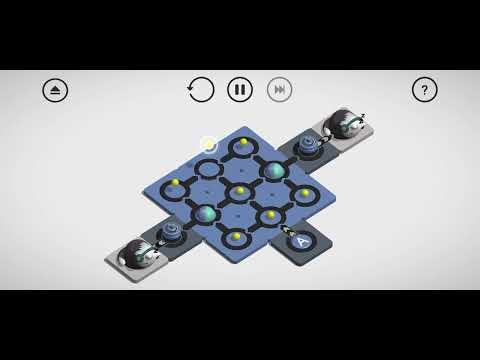
Requires iOS 15.6 or later. Compatible with iPhone, iPad, and iPod touch.Solve Problems. Make Music. Feel Nourished. Cadence is a minimalist puzzle game about solving circuits to create music. Not a rhythm game. No music knowledge required!
Cadence breaks the mould by combining puzzle-solving with music creation. Whether you're a logic lover, creative explorer, or aspiring musician, Cadence offers multiple ways to enjoy yourself.
Play: Logic Meets Melody
No musical experience or rhythm necessary! Use logic and patience to solve increasingly clever puzzles that reward you with beautiful, zen-like melodies. Start simple, working up to mind-bending challenges that'll have you saying "Just one more level..."
Create: Make Some Noise
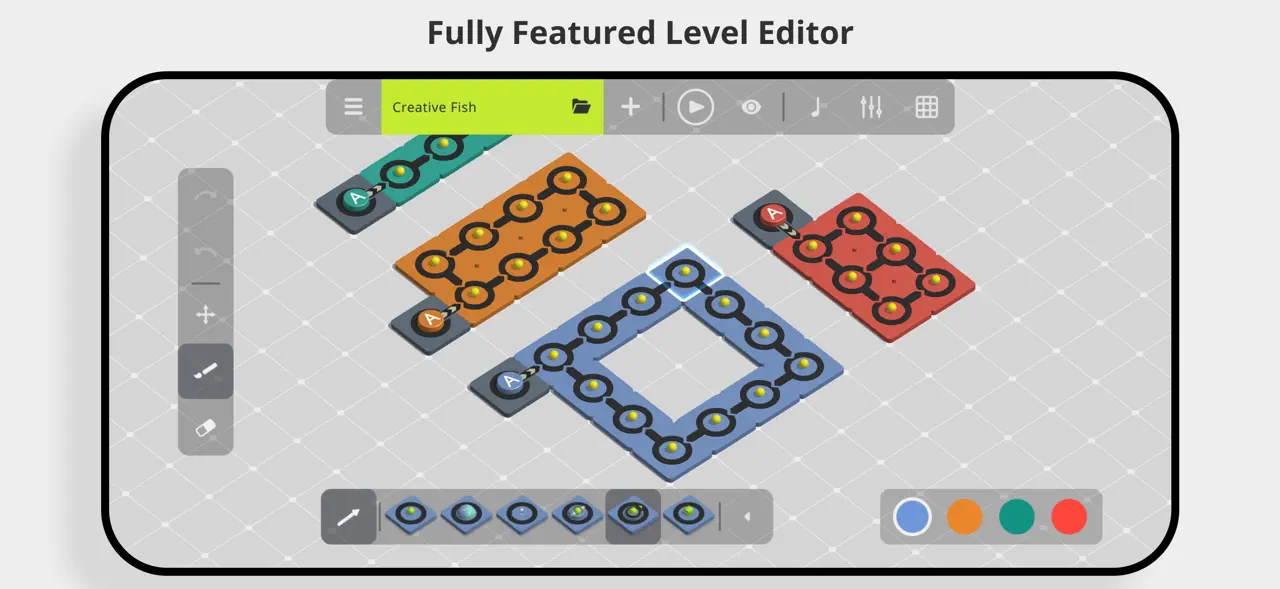
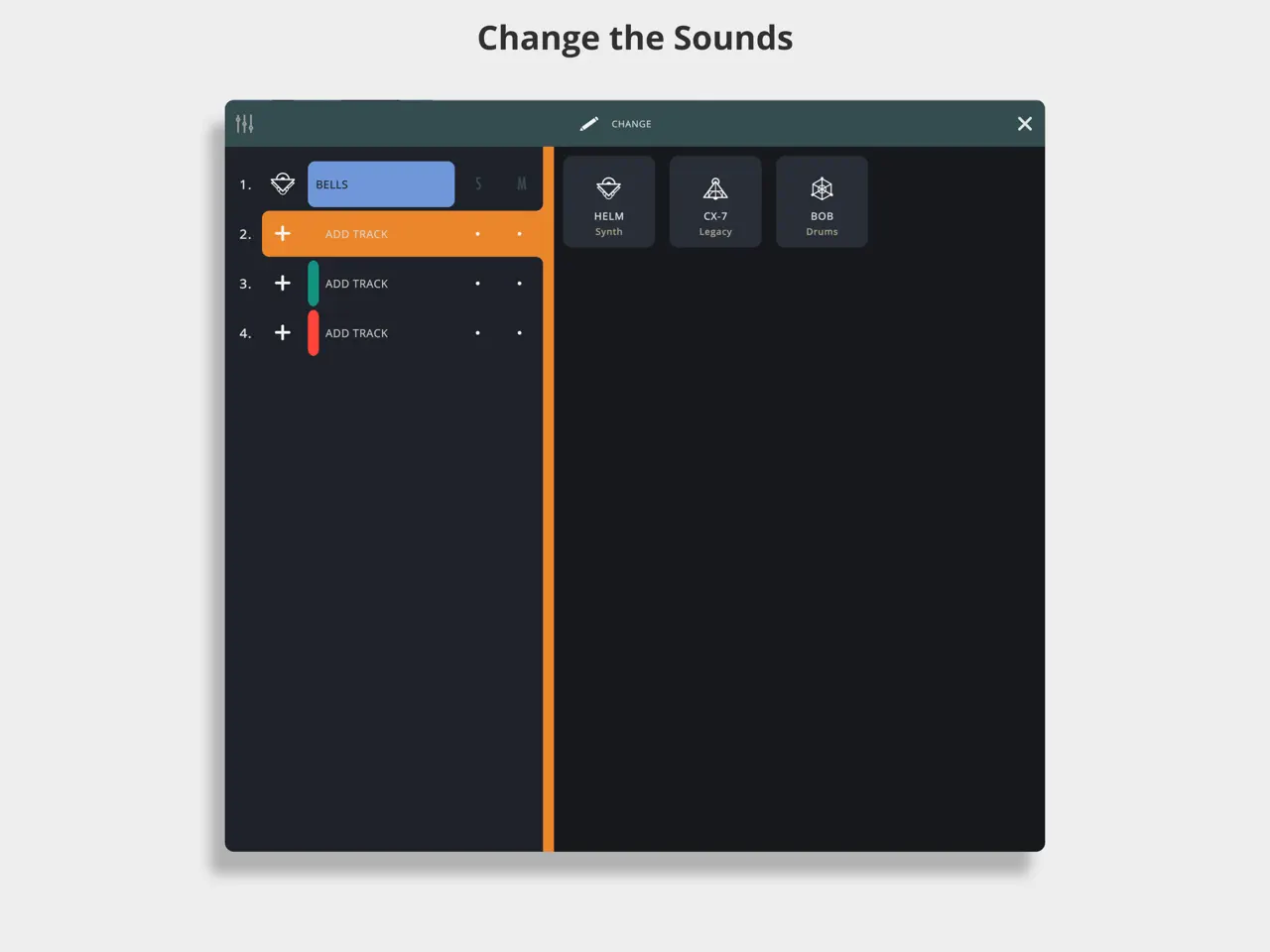
The level editor transforms Cadence into a full music creation app featuring programmable synths, drum machines, and preset libraries. What sets it apart is graph-based sequencing: arrange up to four tracks using the same logical tiles from the game, which feels more like play than work. This approach generates emergent musical patterns that feel both intentional and surprising. Ideal for music-making beginners or experienced composers sketching new inspiration.
Sandbox: Program the Impossible
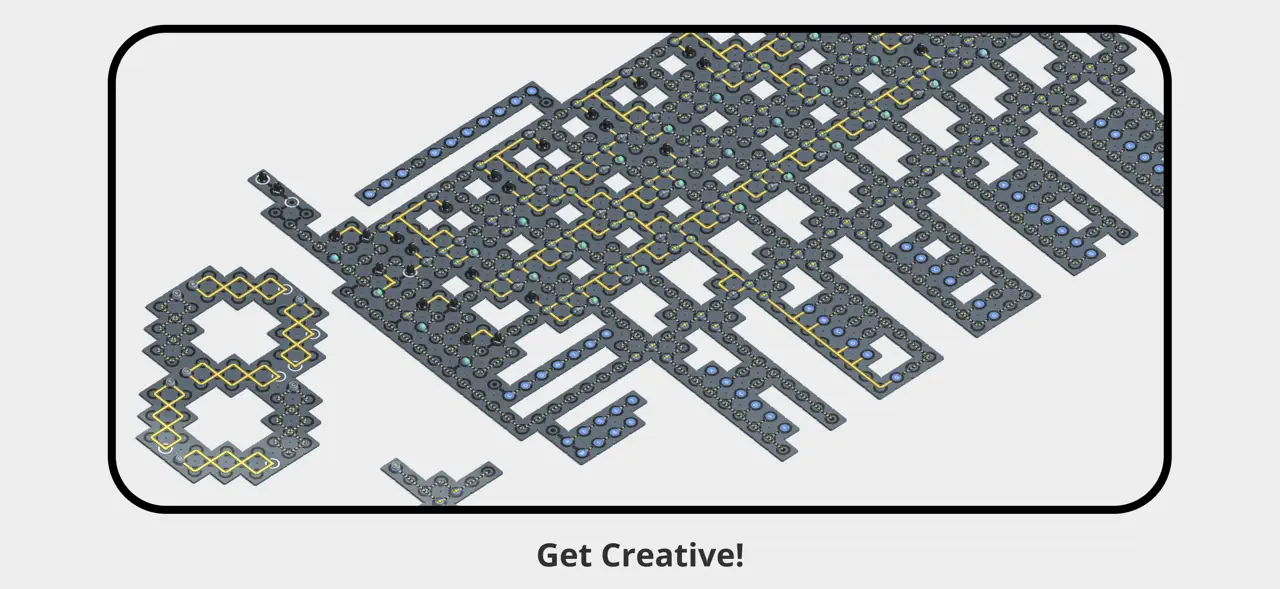
For those who love to tinker and experiment, Cadence's Turing-complete logic system goes deep. Build simple patterns or construct elaborate musical contraptions— perfect for programming enthusiasts who don't let "whether you should" stand in the way of "whether you could"?
=====
Cadence is a labour of love, crafted by a single developer over 12 years. I'm thrilled to see what you'll make!


Cadence - Musical Playgrounds is an innovative generative audio sandbox that transforms musical composition into an interactive work of art. Players place geometric shapes, nodes, and pathways onto a minimalist canvas. As an automated rhythm line sweeps across the screen, it triggers distinct instrumental notes, synthesis effects, and percussive hits upon contact with your custom shapes. Equal parts creative tool and soothing video game, it allows anyone—regardless of musical training—to compose sweeping orchestral loops or driving electronic soundscapes.
Mesmerizing generative audio engine reacting to physical shapes
Massive sound library featuring synths, acoustic strings, and drum kits
Stunning, abstract minimalist graphics that react visually to sound
Export capability to save your musical masterpieces directly to your device
Primary application page outlining sound module specifications and version notes.
Tap and place interactive geometry onto a blank canvas, dragging lines to connect elements. Watch as passing pulses bounce off objects, activating layered synthesizers and building a self-sustaining musical landscape.
Not at all! Cadence uses an intuitive geometric approach to music where experimentation always yields beautiful, harmonious soundscapes.
Enigmo takes me back to the early days of the iPhone. It was revolutionary then, and it’s still 'fine' now. The core loop of placing a bumper and watching a droplet bounce is satisfying in a basic way. However, the 3D graphics haven't aged gracefully—they look like early PS1 tech. The difficulty curve is also all over the place; you'll breeze through five levels and then hit a brick wall that makes you want to throw your phone. It’s a classic, but the world has moved on to more elegant physics puzzles like Portal or The Witness.
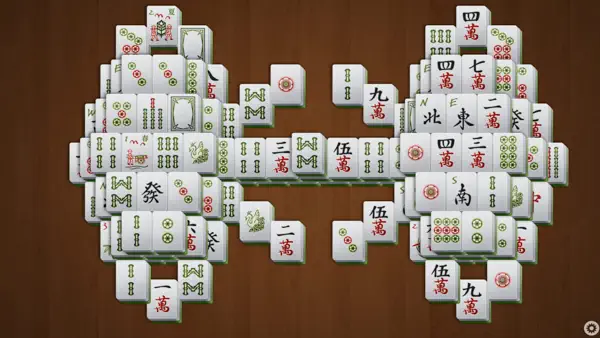
Look, it's Mahjong. We’ve been playing this on PCs since the 80s, and this version doesn't do much to justify its existence beyond portability. It’s competent enough—the tiles are legible and the touch controls don't fight you—but it lacks any sort of soul or modern flair. The variety of layouts is the only thing keeping it from being a total snooze-fest, though even those start to feel repetitive after an hour. It’s the kind of game you play while waiting for a flight because you have nothing better to do. It’s fine, but 'fine' doesn't get a high score in my book. If you're looking for innovation, keep walking; if you want a digital paperweight that occasionally lets you click tiles, here it is.
I've spent years with a pen and a newspaper, so I have a high bar for crosswords. This app manages to fit the content in, but it loses the tactile satisfaction of the real thing. The interface is utilitarian, which is better than being cluttered, but it feels sterile. The puzzle quality varies wildly depending on the source, and some of the clues are frankly nonsensical or dated. It does what it says on the tin, but I struggle to find the 'pro' in this 'classic' experience. It’s a decent way to kill time, but it won't replace a Sunday morning ritual for anyone who actually cares about the craft of puzzling. It's serviceable, but largely forgettable software.
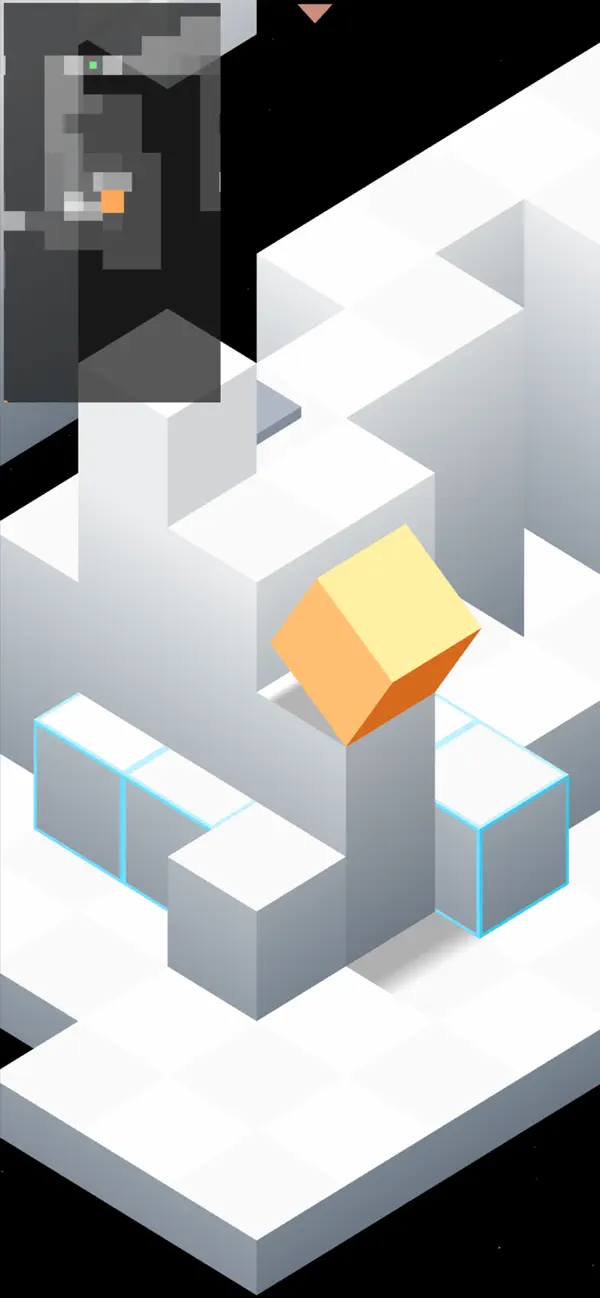
EDGE is a relic from a time when mobile games actually tried to be games rather than slot machines. Its brilliance lies in its simplicity. You're a cube. You roll. That's it. But the level design is so tight and the physics are so predictable that every failure feels like your own fault rather than a glitch in the system. The soundtrack is the real star here—a pulse-pounding electronic score that fits the 'cyber-industrial' aesthetic perfectly. My only real complaint is that the difficulty spikes can be frustrating, especially with touch controls that occasionally misinterpret a swipe. It hasn't changed much over the years, which is both its strength and its weakness. It’s a pure, unadulterated puzzle-platformer that doesn't feel the need to hold your hand.
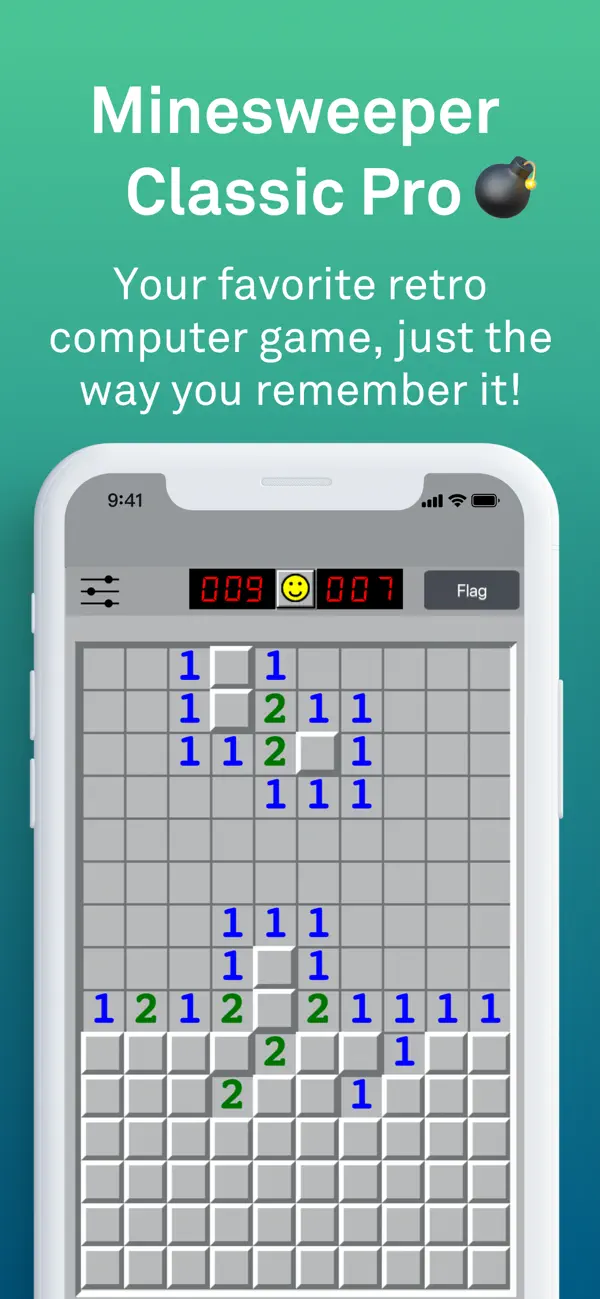
I’ve cleared thousands of Minesweeper boards in my life, and this app doesn't change anything about that experience. It’s Minesweeper. The controls are a bit fiddly on a small screen—I’ve detonated more than a few mines just by fat-fingering a square—but the logic is sound. It’s a perfect 'waiting for a bus' game. There’s no bloat, no forced ads (in this version), and no nonsense. But there’s also no reason to be excited about it. It’s a solved game that we’ve all played for thirty years. If you don't have a version of Minesweeper on your phone yet, this one is perfectly adequate. Just don't expect it to change your life.
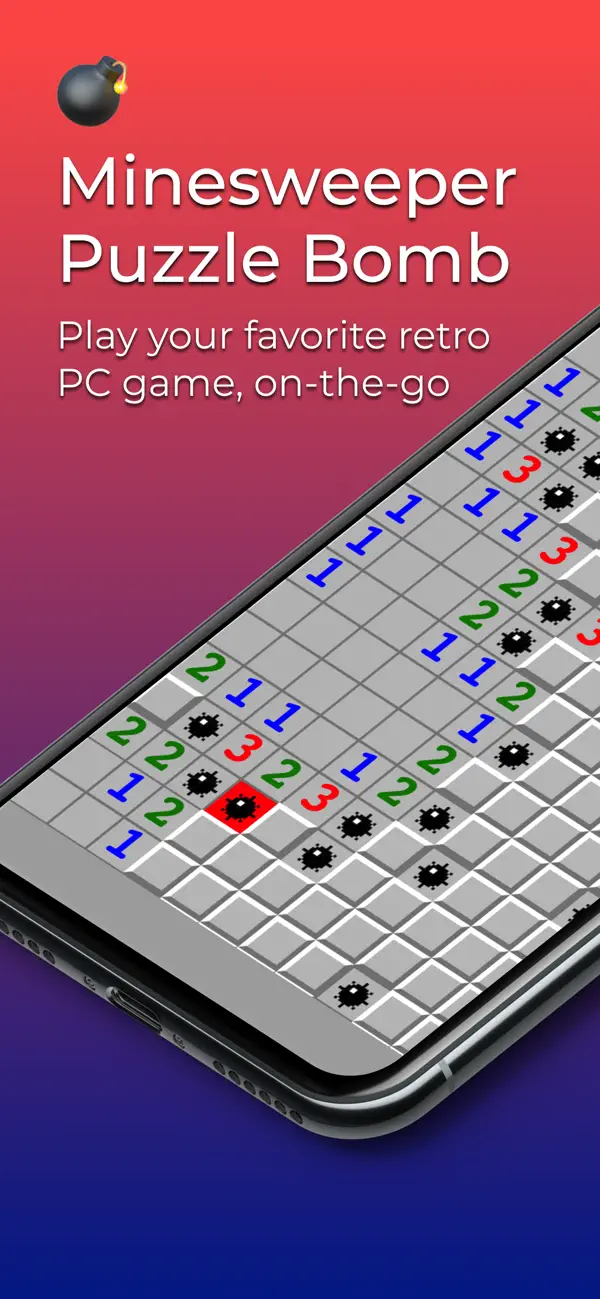
This is just Minesweeper with a fresh coat of paint, and not a particularly good one. The 'Bomb' aesthetic feels forced, and the UI is actually a bit more confusing than the standard classic version. I don't see why I would choose this over a more traditional layout. It’s fine, it works, and the logic is the same. But it feels like it’s trying too hard to be 'modern' and 'exciting' for a game that is fundamentally about staring at numbers. Stick to the classic versions; this one just feels like clutter.
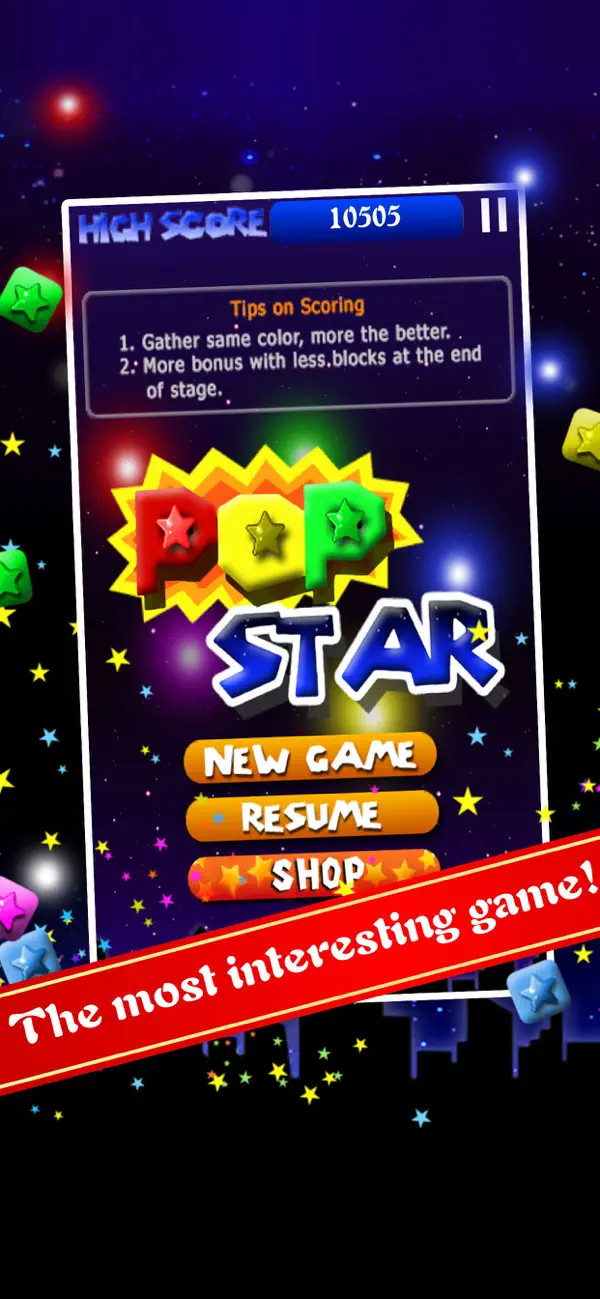
PopStar is the kind of game I find sitting in the 'Top Free' charts that makes me lose faith in the market. It’s barely a game; it’s a repetitive clicking exercise. There is no strategy beyond 'click the big group.' The visuals are incredibly dated, looking like something from a late-90s web browser. It's meant to be 'relaxing,' but it’s actually just boring. There are no stakes, no interesting mechanics, and no reason to choose this over a decent match-3 game.
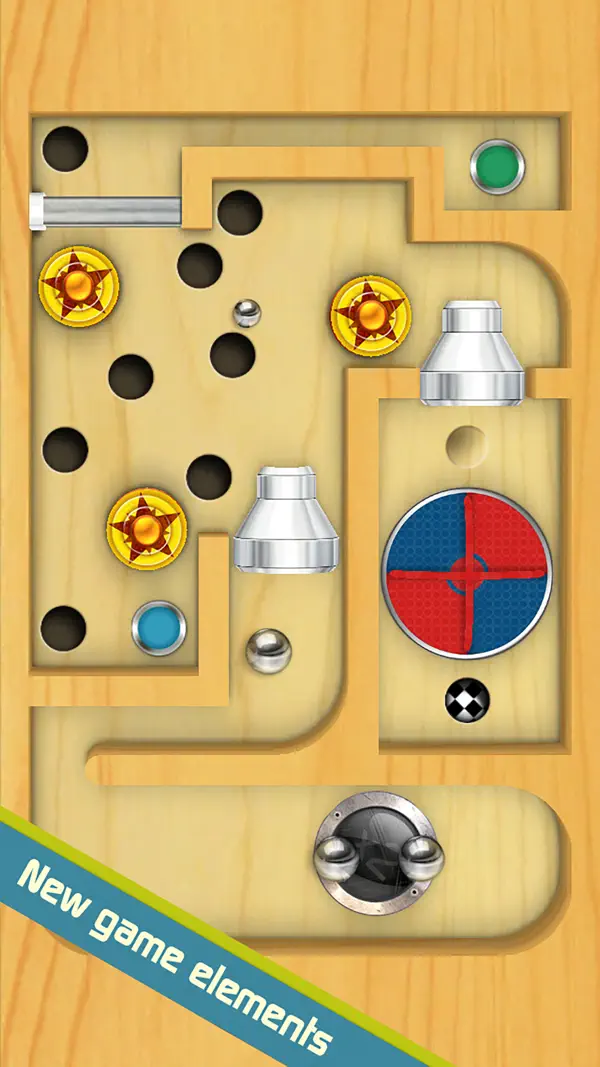
Labyrinth 2 is one of the few games that actually makes good use of the accelerometer. Unlike most mobile games, the physics here feel weighted and 'real.' I like that they didn't just stick to the wooden board; the addition of cannons and magnets adds a layer of puzzle-solving that keeps it from being a pure dexterity test. It’s still just tilting a phone, though. It’s a polished product, but it lacks the depth of a true console experience. It's a good game for what it is, but what it is remains a toy.