Bits on Bricks is an absolute masterclass in arcade revival. As a fan of the original Breakout, I was skeptical of another clone, but the 'digital glitch' theme is more than just a skin—it's a core gameplay mechanic. The way the levels literally 'corrupt' and change layout mid-game creates a level of unpredictability that is absent from modern brick breakers.
The haptic feedback on iOS is some of the best I've felt; you can truly 'feel' the weight of the bit as it strikes different surfaces. The soundtrack is a pulsing synthwave dream that perfectly matches the neon visuals. It’s fast, challenging, and aesthetically brilliant. This isn't just a nostalgia trip; it's a step forward for the genre.
Bits on Bricks at least understands what it is. It’s a Breakout clone that wears its retro influences on its sleeve. The pixel art is well-done and the chiptunes are catchy, which is more than I can say for most mobile games these days. However, at the end of the day, you’re still just bouncing a ball against a wall. The 'boss battles' are a nice touch, but they don't change the fundamental mechanics enough to make it feel truly new. The touch controls are responsive, though playing with a finger can sometimes obscure the ball at critical moments. It’s a comfortable, nostalgic experience for someone my age, but it’s not going to set the world on fire. It’s the kind of game I’d keep on my phone for a quick round of nostalgia, but nothing more.
Performance: Perfect 60fps; no crashes observed.
Buy if: You have fond memories of Arkanoid and want a polished version for your phone.
Skip if: You find simple arcade loops boring.
Available on: iPhone, iPad, iPod
Version 1.0.1Tue Nov 11 2025
I added more levels.
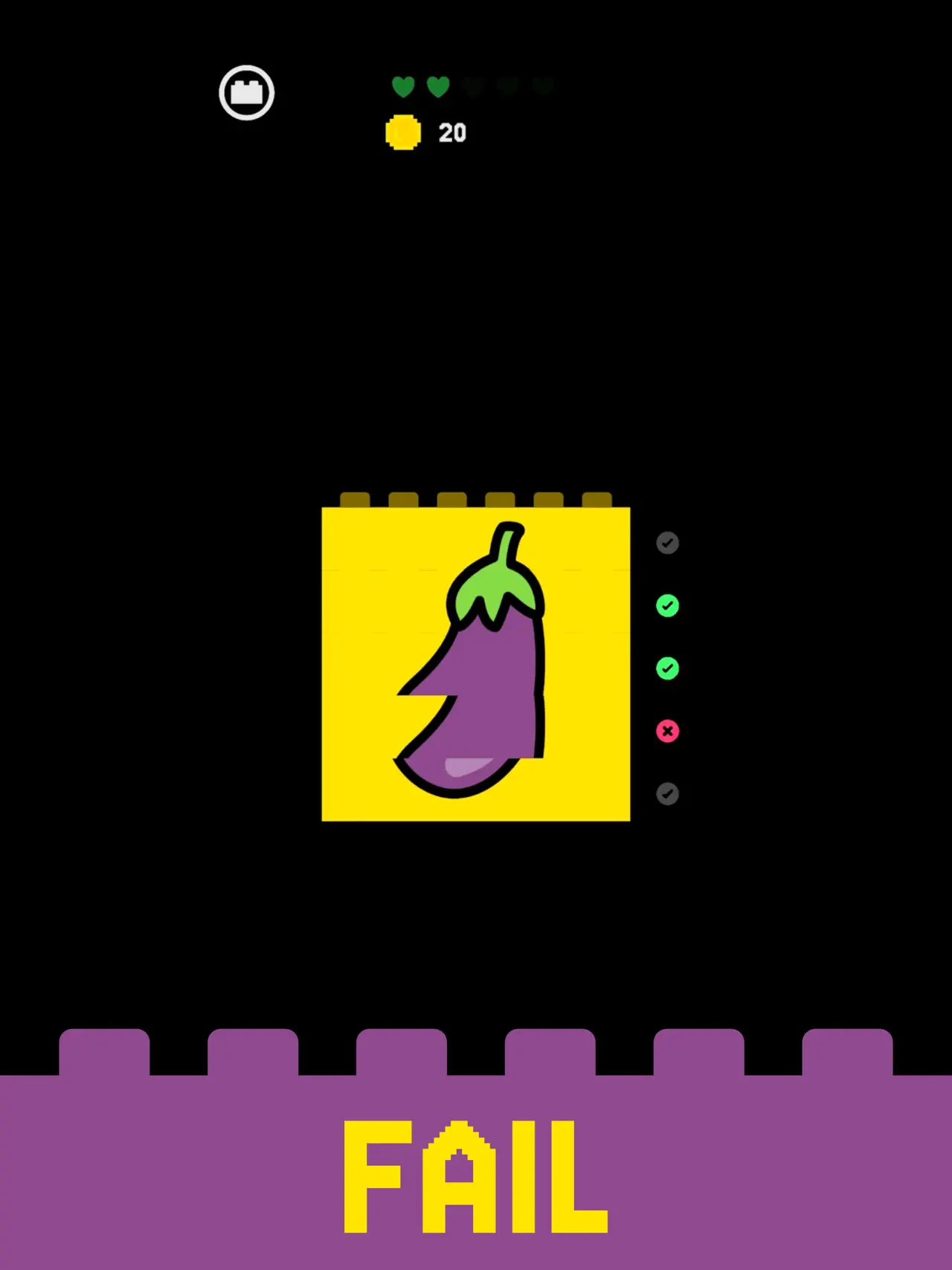
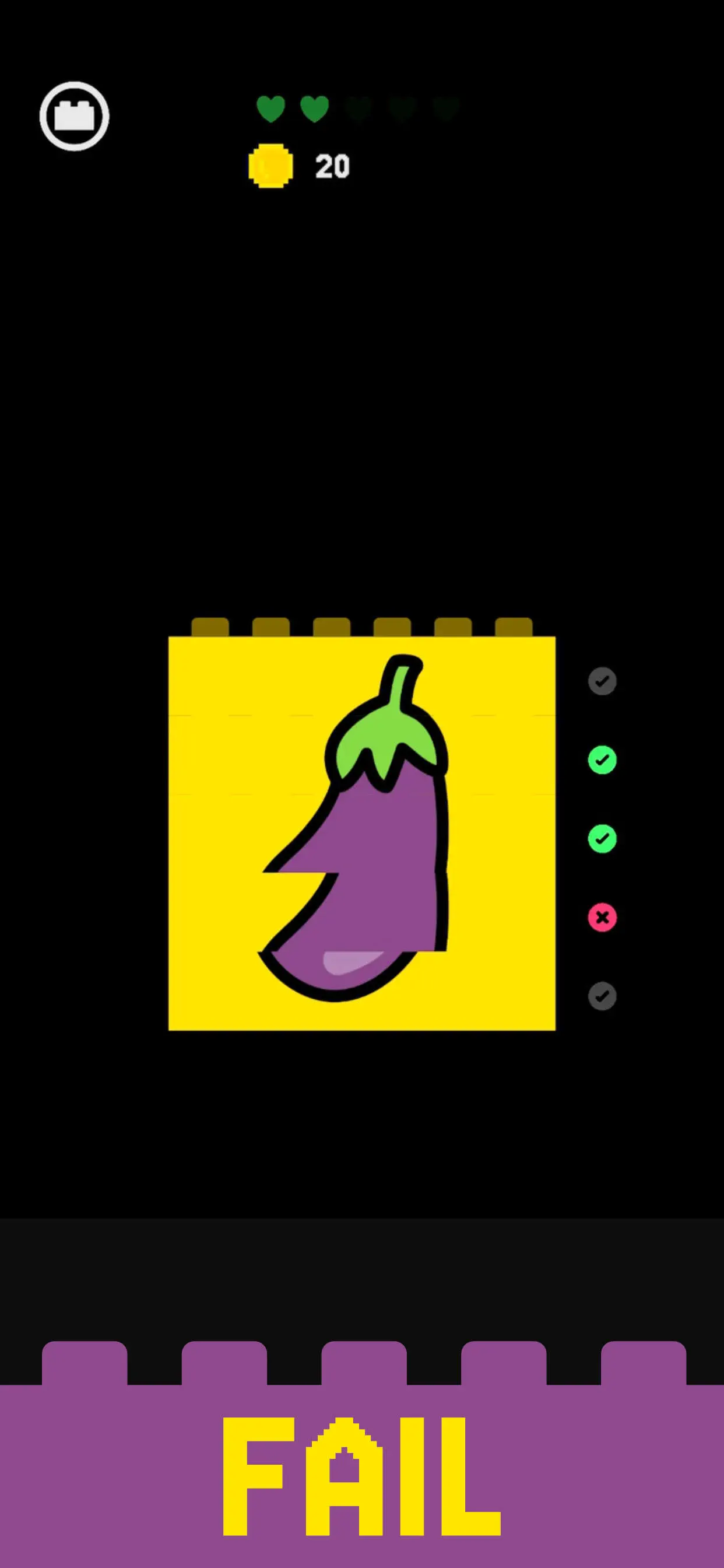
Requires iOS 13 or later. Compatible with iPhone, iPad, and iPod touch.The puzzle pieces in this game aren't ordinary. They are building blocks, and here's the twist: the part of the image that sits on the studs disappears when the blocks are stacked. This unique mechanic challenges your imagination, because parts of the image appear twice at first – once on the block itself and once on the studs. Only after stacking do you see if everything fits.
# Sorting Fun: Your task is to sort colorful bricks correctly and thus decipher words and images.
# Surprises await you: Put disassembled pictures back together correctly to unlock new motifs.
# Snackable: Aimed at anyone looking for quick, colorful puzzle fun.


Bits on Bricks reimagines the classic Arkanoid gameplay for the digital age. In a world made of glowing neon and data streams, you control a paddle to bounce a 'bit' against layers of data-bricks. Some bricks contain 'corrupted data' that alters your paddle size or ball speed, while others provide powerful multi-ball and laser upgrades. The game features a campaign mode where you 'debug' various sectors of a mainframe.
100+ neon-infused levels
Unique 'Glitched' boss fights
Responsive touch controls
Synthwave original soundtrack
Unlike other games, power-ups in Bits on Bricks can stack. Get a 'Large Paddle' and a 'Laser' at the same time to clear levels in seconds.
Yes, the 'Overclock' mode allows you to play for a high score until you run out of lives.
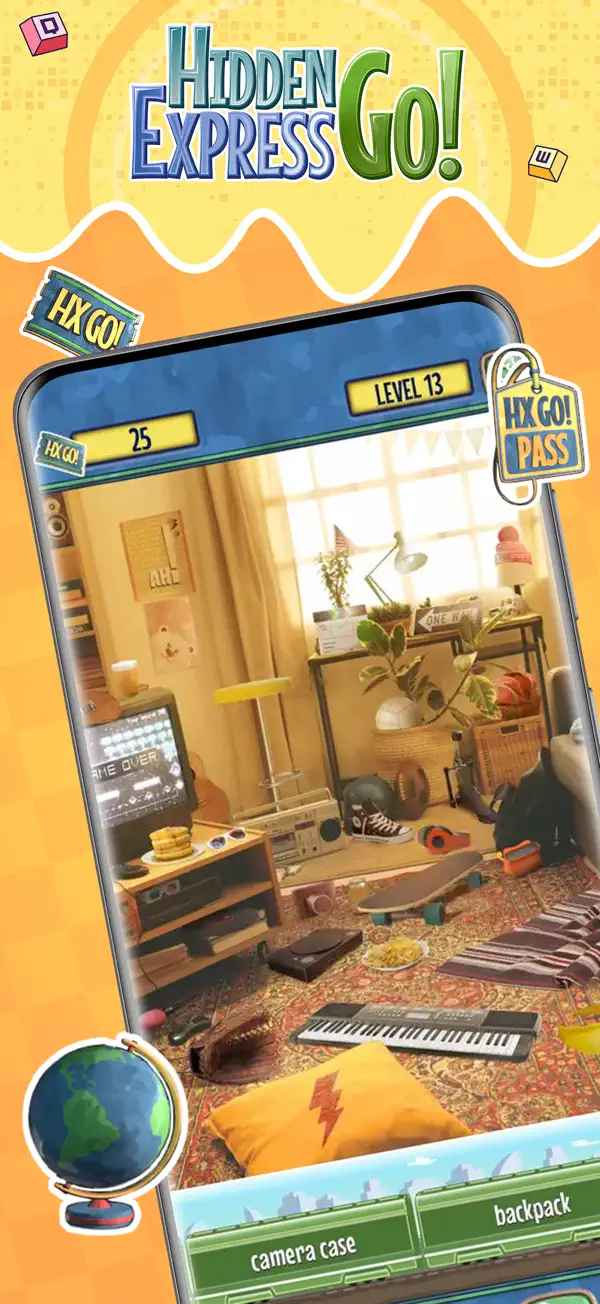
Hidden Express Go is a 'Hidden Object' game for people who find illustrations too distracting. By using real photos, it adds a touch of realism, but it also makes the 'hidden' items feel like they’ve been poorly photoshopped into the scene. It’s a bit jarring, to be honest. The gameplay is exactly what you think: find the spoon, find the cat, find the wrench. It’s a functional way to kill time, and the global travel theme is fine, but it doesn't do anything to elevate the genre. The timer adds a bit of artificial stress that I don't think hidden object fans actually want. It’s okay for a quick session, but it feels more like a digital eye exam than a thrilling mystery.
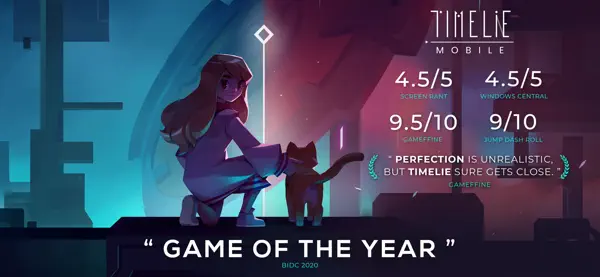
Dinsun here. Now this—this is a real game. Timelie actually respects the player's intelligence. The time-scrubbing mechanic isn't just a gimmick; it’s a fundamental tool that turns stealth into a beautiful, choreographed dance. I love that I can plan out a move, see it fail, and then just rewind a few seconds to refine the timing. It reminds me of the best parts of 'Braid' mixed with a top-down stealth game. The level design is tight, the relationship between the girl and the cat is handled with zero unnecessary dialogue, and the atmosphere is thick. It’s a bit short, and some might find the later levels a bit too much of a 'one-right-answer' puzzle, but it’s a top-tier experience. If you’re tired of the mindless garbage on the App Store, buy this.
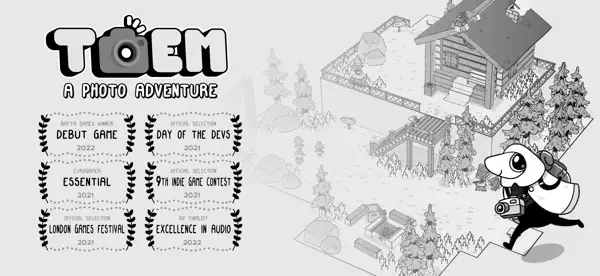
I usually have no patience for these 'indie darling' types of games that rely on a gimmick, but TOEM actually has a bit of soul. The photography mechanic is integrated well into the puzzles, making you actually look at the environment instead of just running through it. The black-and-white, hand-drawn style is a welcome departure from the over-saturated mobile market. It feels like a piece of art rather than a product made in a boardroom. That said, it’s far too short and far too easy. I finished the bulk of it in an afternoon, and I never once felt challenged. It’s more of a virtual stroll than an 'adventure.' For someone like me who grew up on games that didn't hold your hand, TOEM feels a bit like being guided through a very nice museum. I appreciate the craft, but I wish there was more meat on the bones. It's a solid 68—good, but not the masterpiece some would have you believe.
Roguelikes are a dime a dozen these days, but Dice of Kalma at least brings a decent dice-management mechanic to the table. It’s reminiscent of Dicey Dungeons, but with a darker, more serious aesthetic. I like that you can manipulate your rolls to an extent, which mitigates the 'RNG' frustration. However, some enemies have absurdly powerful abilities that feel unfair if you don't have the perfect build. It's a bit too reliant on meta-progression to feel rewarding in the short term. It’s a good game for someone who likes thinking three turns ahead, but it’s not reinventing the wheel.
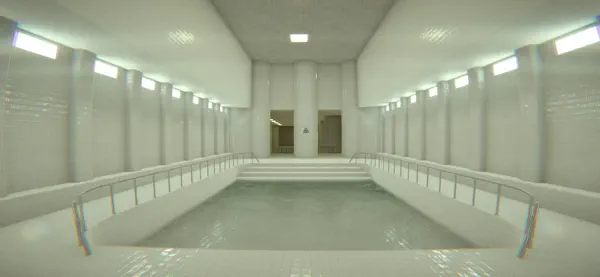
I hesitate to even call POOLS a 'game' in the traditional sense, but I can't deny its effectiveness. There are no objectives, no scores, and no enemies. You simply walk. And yet, I haven't felt this much genuine tension in a title in years. It taps into something primal—the fear of the infinite, the 'offness' of a space that should be crowded but is utterly empty. The tiling, the lighting, and the echoing splash of your own footsteps create an environment that is both beautiful and deeply unwelcoming. It’s a 'walking simulator' in the purest form, but it understands its niche perfectly. The lack of a HUD or any gamified elements makes the immersion absolute. My only real criticism is the price-to-content ratio for some; at six chapters, you can finish it in an afternoon. But for those of us who value a specific, high-quality experience over endless 'content,' POOLS is a standout. It’s an art piece you can walk through, and it’s one of the few mobile ports that actually feels like it belongs on a high-end display. It’s unsettling, slow, and wonderful.
Flow Free is the old reliable of mobile gaming. It’s been on every phone I’ve owned for the last decade. This 'Shapes' version doesn't reinvent the wheel, but it does change the shape of it. Moving from squares to hexagons actually forces your brain to think about paths in a slightly different way. It’s clean, it’s fast, and it doesn't try to be anything it isn't. It’s a time-killer, but a high-quality one. I still think the 'undo' button should be free—charging for basic utility is a pet peeve of mine—but overall, it’s a solid addition to a series that actually knows what it's doing. It won't change your life, but it'll make your commute less boring.
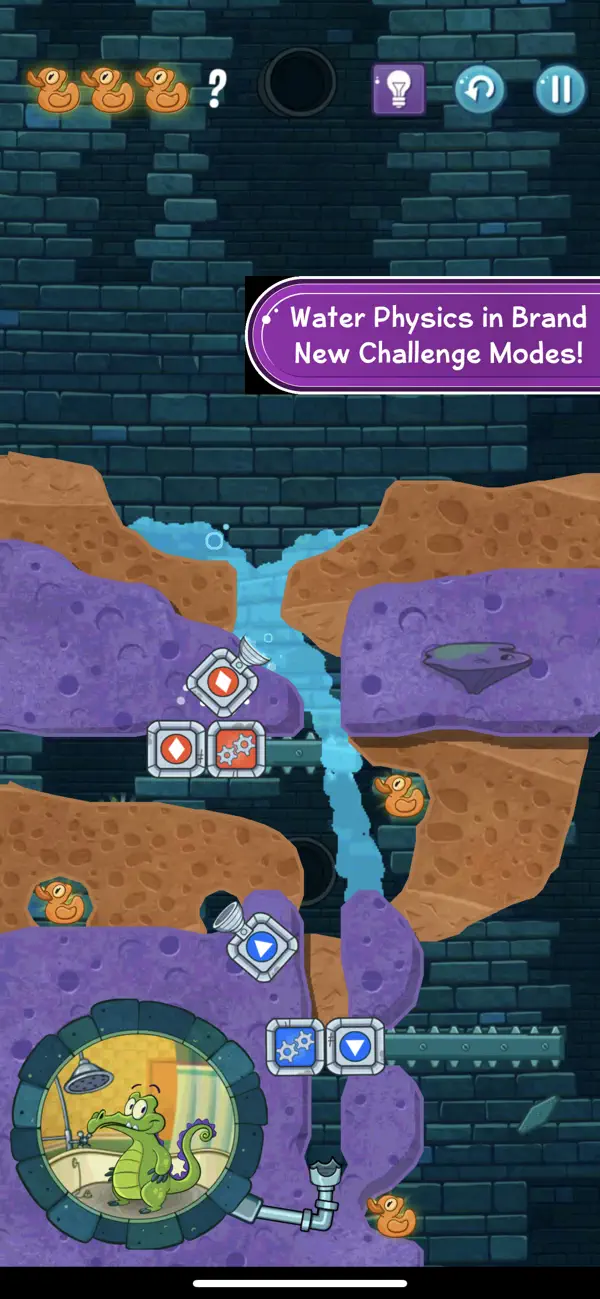
The first game was a masterpiece of mobile design—simple, clever, and paid. The sequel? It’s a Disney cash grab. The physics are still top-tier, and the puzzles actually require some thought, especially the new steam and sludge mechanics. But they ruined the flow with an energy meter and constant badgering for social connections. Why take a perfect puzzle loop and force players to stop playing? The graphics are charming, sure, but I can't shake the feeling that I'm being managed rather than challenged. If you can ignore the typical mobile 'dark patterns,' there is a very good game underneath. It’s just a shame Disney felt the need to clutter it up with junk.
I’m usually not one for 'cozy' games—I prefer my games to have clear goals and a bit of challenge—but A Little to the Left is undeniably well-crafted. It taps into that universal human urge to put things in order. The puzzles are clever, and I appreciate that many of them have multiple correct solutions based on different logic. The touch controls are actually better than the mouse controls on PC for this kind of thing; it feels more tactile. The cat's interruptions are a bit of a gimmick, but they add a necessary layer of 'gameplay' to what would otherwise just be a sorting simulator. It’s a bit overpriced for how short it is, but it’s a quality experience that respects your time.