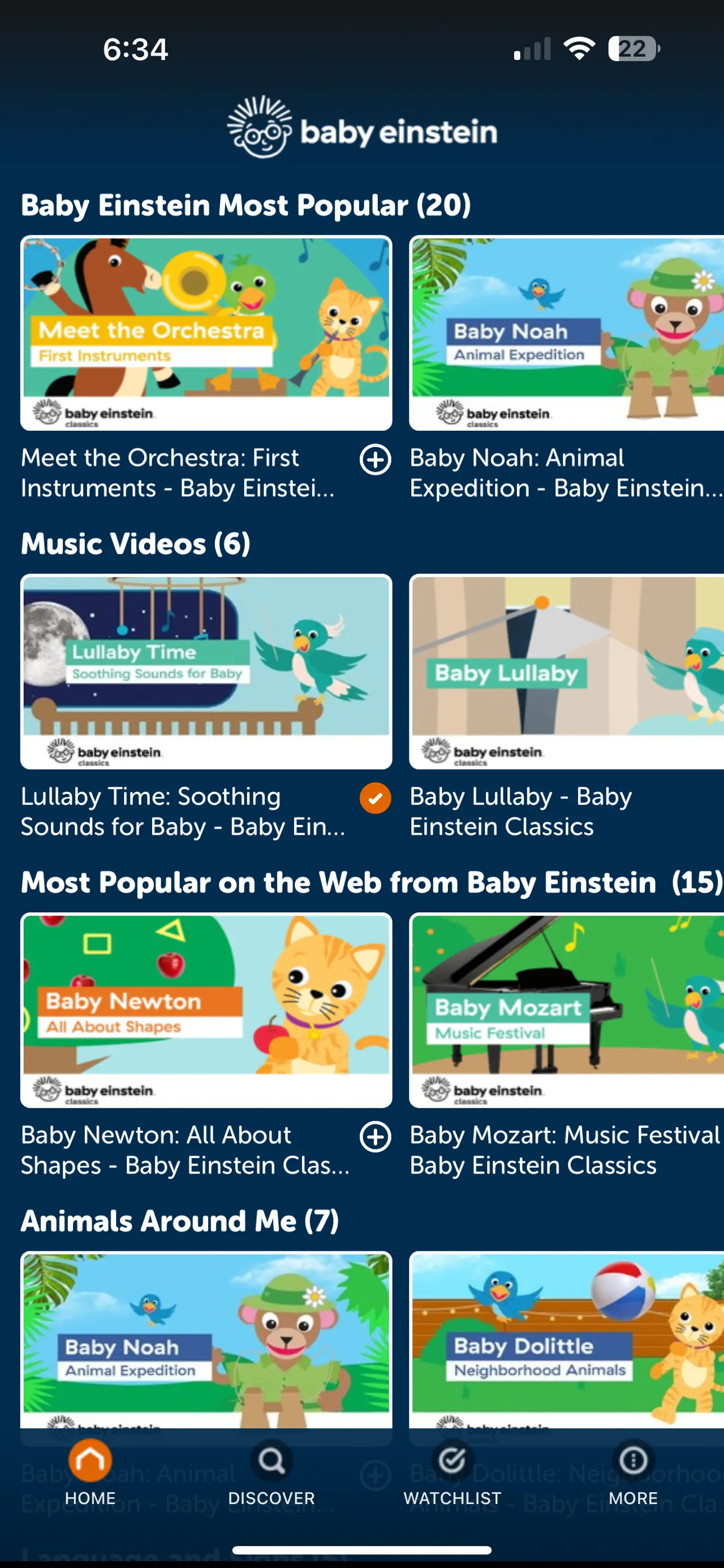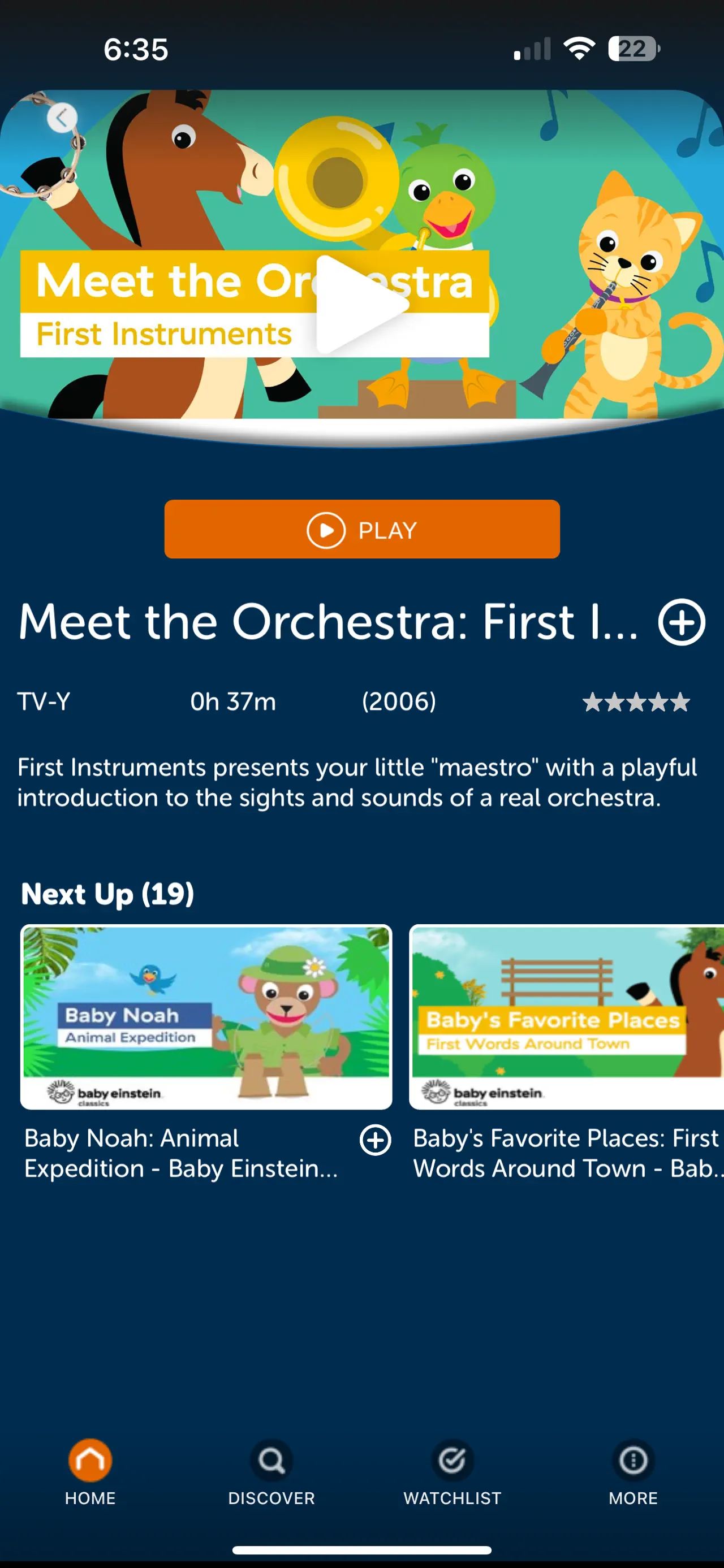
Baby Einstein: Play & Learn is an educational app specifically designed for infants and toddlers. Building on the heritage of the Baby Einstein brand, the app uses high-contrast visuals and soothing classical music to engage young minds. Activities include simple shape matching, musical instrument exploration, and real-world animal discovery. It’s a gentle, ad-free introduction to technology that encourages exploration and sensory development.
The parent dashboard is particularly well-thought-out, allowing you to see which activities your child is drawn to and providing context on the developmental benefits of each game. The lack of ads and microtransactions is a massive relief, making this a safe digital space for the youngest users. It’s a high-quality, thoughtfully produced app that truly understands the needs of its tiny audience.
I’m reviewing this as a gamer, and as a gamer, there's nothing here. It’s a subscription service for educational videos. The 'interactive' elements are so minimal that they barely qualify as mechanics. That said, the production value is high. The music is classical, and the visuals are clean. It’s a tool for parents, not a game for players. I can’t give it a high score because there’s no challenge or system to master, but it does exactly what it intends to do. It’s the digital equivalent of a mobile over a crib.
Performance: Polished and stable.
Buy if: You are a parent looking for curated, safe content for a baby.
Skip if: You are looking for a video game.
Available on: Apple TV, iPhone, iPad, iPod
Version 1.1Thu Oct 16 2025
Bug Fixes and App Enhancements.
Requires iOS 13.0 or later. Compatible with iPhone, iPad, and iPod touch.Born from the belief that the future belongs to the curious, Baby Einstein helps parents cultivate curiosity — within their children and themselves — through experiences of shared discovery and creativity. Why? Because curiosity motivates us to learn and adapt. It compels us to be open to possibility and confident in our skills. Curiosity is essential for succeeding in our ever-changing world and creating a better one.
With the Baby Einstein Channel, your baby’s view of the world will expand as they are introduced to languages, explore the arts and join wild animals on global adventures. Lullabies and nursery rhymes will inspire creativity and nurture music appreciation. Animated lessons on numbers, letters and manners will make education look more like entertainment. As you watch along, don’t be surprised if the spark of curiosity is reignited within yourself, too.
Curious for more? Add the Baby Einstein Channel to your device today to keep up with our latest discoveries, explorations and creations.


Baby Einstein: Play & Learn is an educational app specifically designed for infants and toddlers. Building on the heritage of the Baby Einstein brand, the app uses high-contrast visuals and soothing classical music to engage young minds. Activities include simple shape matching, musical instrument exploration, and real-world animal discovery. It’s a gentle, ad-free introduction to technology that encourages exploration and sensory development.
Curated Classical Music
Multi-sensory Activities
Completely Ad-free
Parental Progress Insights
In the Music Room, tapping different characters introduces layers of a Mozart track. This helps babies understand the concept of cause and effect through sound.
Yes, it is ad-free and contains no external links, making it a safe digital playground for toddlers.
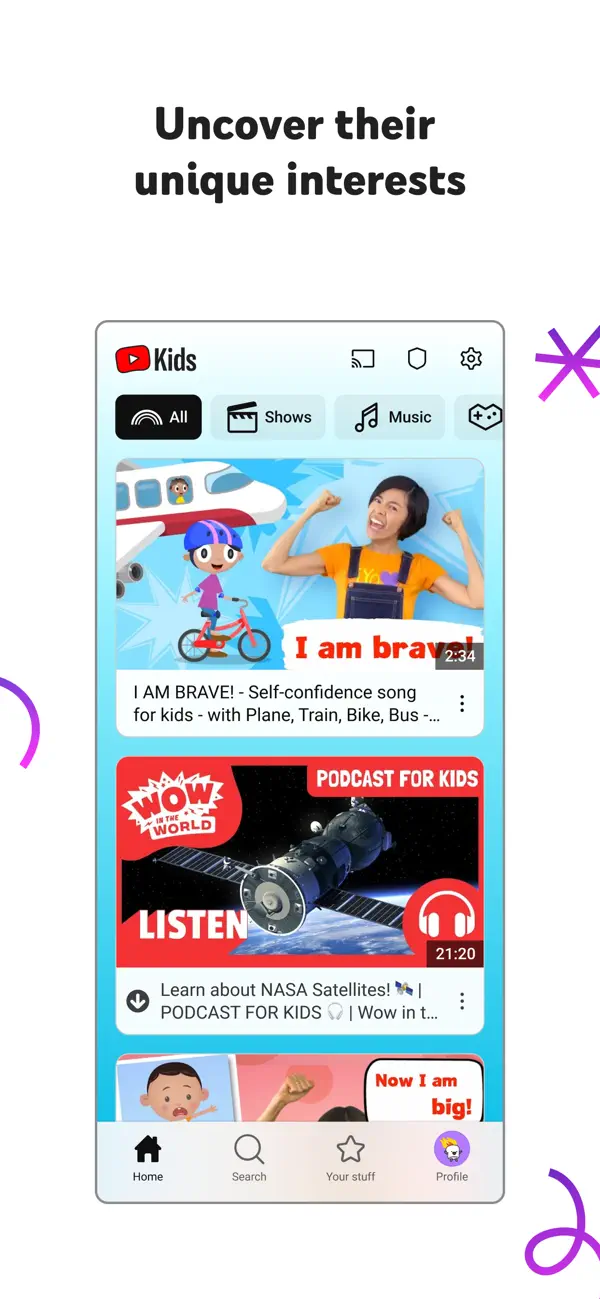
I don't have kids, but I've watched enough 'content' on here to know that the algorithm is the real final boss. As an app, it's fine—it's functional, big buttons, loud colors. But from a critical standpoint? It's a hollow experience. The content is repetitive, often lacking any real creative spark, and designed purely to keep eyes glued to a screen. The interface is so simplified it's almost insulting, though I suppose that's the point. There's no depth here. No mastery. It’s the digital equivalent of a ball pit—safe, padded, and ultimately boring after five minutes. I appreciate the parental controls, but we shouldn't confuse 'distraction' with 'quality entertainment.' It does what it’s meant to do, but as a gamer who values complex systems, I find this trend of passive consumption worrying.
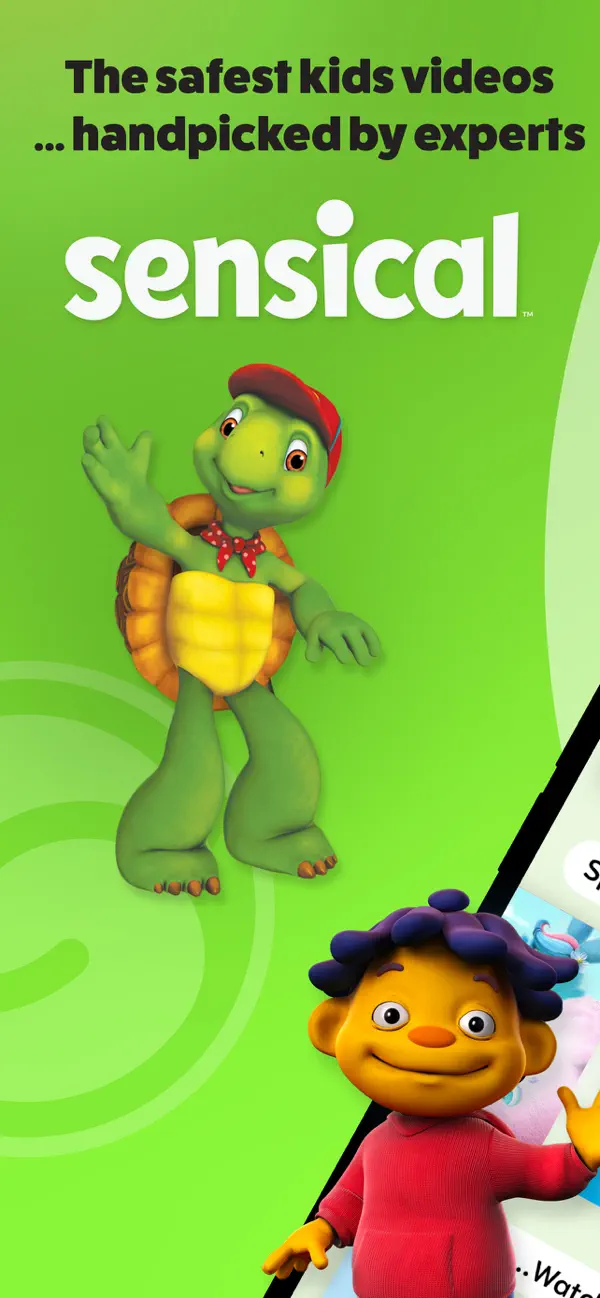
I’m here to review games, and Sensical is not one. It’s a video player for children. There are zero mechanics, zero interaction, and zero agency. As an expert gamer, I find nothing here to critique in terms of gameplay because there isn't any. It’s like being asked to review a television set based on the show that’s currently playing. I’m scoring it low because as an entry in a gaming database, it’s a non-entity. From a technical perspective, the UI is bright and easy for a toddler to navigate, I suppose. But as someone who has been gaming for forty years, I find the inclusion of streaming apps in 'games' categories to be an annoying trend. If you’re a parent looking for a way to stop your kid from seeing weird things on YouTube, fine. But don't call it a game.
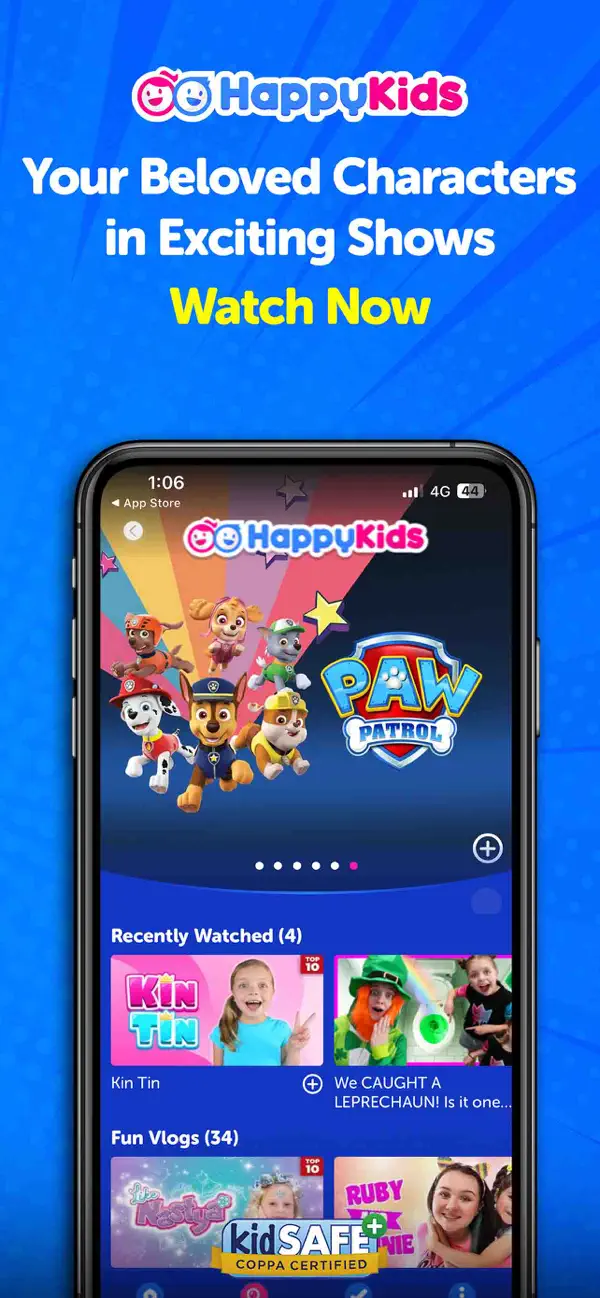
Dinsun here, and I'm clearly not the target audience, but even from a critical standpoint, this is cynical. It’s an empty world designed to look like the cartoon, where every two minutes you're hit with a 'Please ask your parents to unlock this pup' prompt. The gameplay is essentially 'walk from A to B and tap a thing.' There is no challenge, no real learning, and the repetition is mind-numbing. It’s predatory toward children’s attention spans and their parents' wallets. I grew up with Pajama Sam and Spy Fox—games that actually had puzzles. This is just a sequence of colorful triggers. Avoid.
Look, I’m not the target audience for this, but I can recognize quality when I see it. The developers clearly respect the source material. The art style is spot-on, the voices are there, and the general vibe of the Heeler household is perfectly captured. It’s a digital dollhouse done right, allowing kids to just mess around with objects and see how they interact, much like the Toca Boca series. It’s wholesome, educational in a subtle way, and genuinely cute. However, we need to talk about the 'Expert Reviewer' side of this. The monetization is aggressive for a kids' game. They lock a huge chunk of the house and characters behind a monthly subscription. As a 40-year-old who remembers when you just bought a game and owned it, this 'service' model for a digital toy feels cynical. It’s great for the kids while they're playing, but parents are going to feel the sting in their wallets. It’s a high-quality product, but the pricing strategy leaves a bad taste in my mouth.
Calling this a 'game' is a reach that even my 40-year-old joints can't make. It’s a content aggregator, a glorified wrapper for YouTube videos that parents use as a digital sedative. As a gamer who grew up with deliberate, hand-crafted experiences, I find the sheer volume of 100,000+ videos exhausting. It's built on the quantity-over-quality model that defines modern mobile 'engagement'—throwing everything at the wall, from Cocomelon to Roblox vlogs, and hoping something sticks long enough to keep a kid quiet. Technically, it functions as a portal, but it offers nothing in the way of original interaction or mechanical depth. The interface is serviceable but clearly designed to be a bottomless pit of scrolling. If you're looking for a curated safe space, it does that job, but as an interactive experience? It's hollow. I’ve seen more innovation in a 1990s shareware menu. It serves a utilitarian purpose for tired parents, but don't mistake this for a meaningful gaming or learning tool.
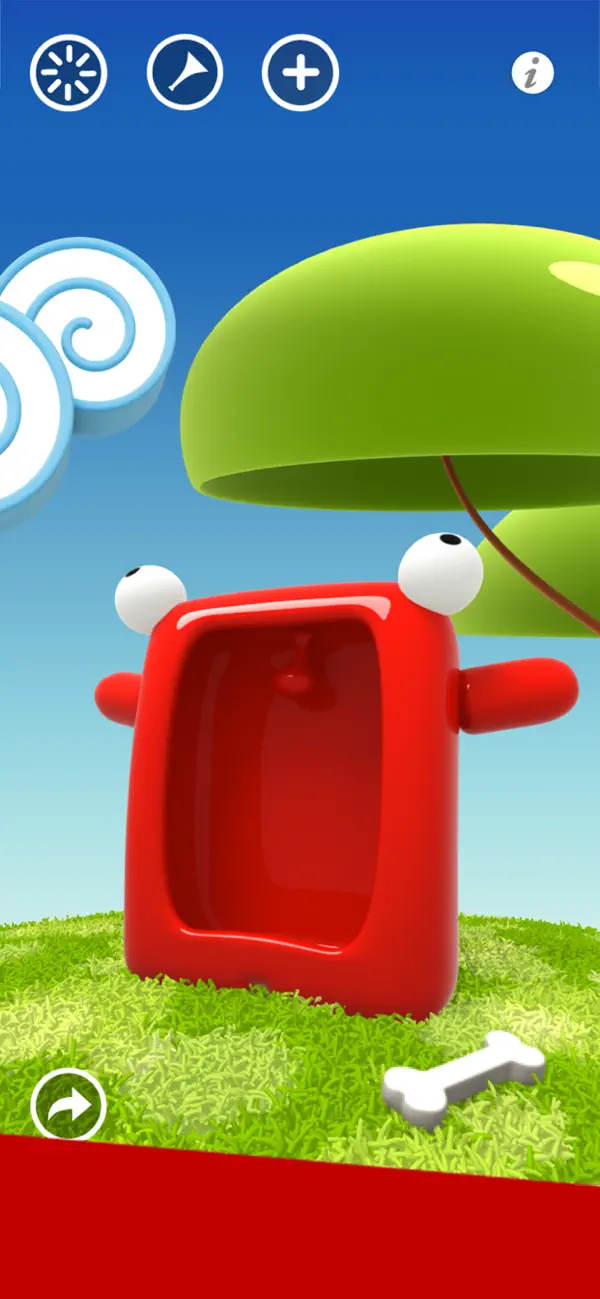
Dinsun here. Talking Carl belongs in an app museum, not a serious game library. Back when the App Store was new, speaking into your phone and hearing a character echo it back was a neat party trick. In 2026, it is an outdated utility that occupies an active toddler for about five minutes before the repetition sets in. It works, but it's not a game.
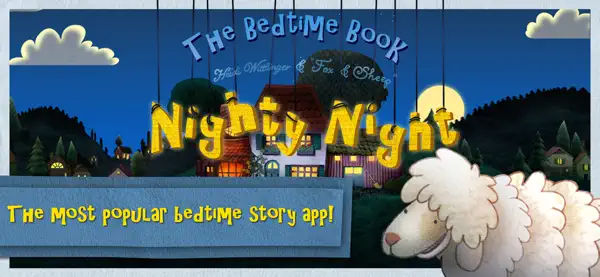
Dinsun here. Let us be clear: this isn't a traditional strategy game or skill-based software challenge. But looking at it as an interactive bedtime utility, it is exceptional. Heidi Wittlinger's production artwork is elegant, textured, and warm, avoiding the loud sensory overload common in modern media. Tapping the lights off has a nice ritualistic logic to it. It does its job beautifully without flashing microtransactions or garbage pop-ups at your face.
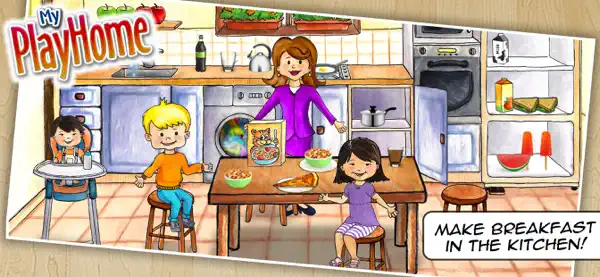
I respect the engineering that went into My PlayHome. It’s essentially a 2D physics sandbox for kids. Everything you touch does something—the lights flip, the bread toasts, the characters can 'sleep' in beds. It’s incredibly conservative in its design, sticking to a very traditional 'house' theme without any weird gimmicks. However, from a gamer’s perspective, there’s zero friction. No score, no levels, no lose state. It’s pure pretend play. While it’s probably the best digital dollhouse I’ve seen, I can’t give it a high score as a 'game.' It’s a simulation of domesticity for toddlers. If you have kids, it’s a brilliant way to keep them quiet; if you’re looking for a gaming experience, look elsewhere.