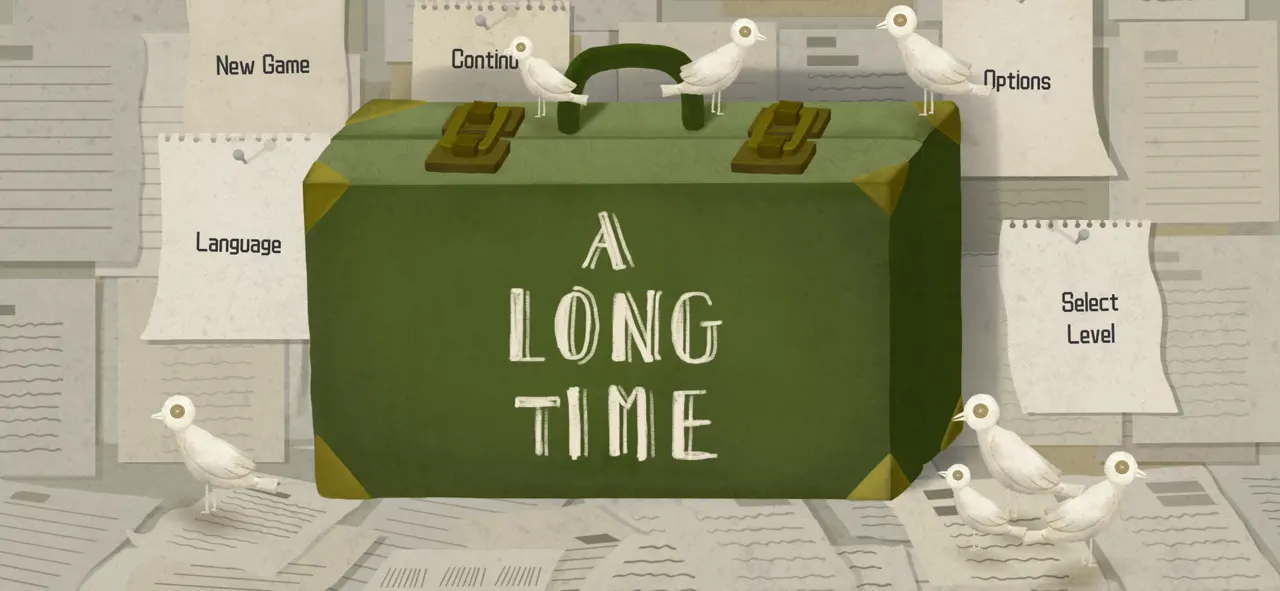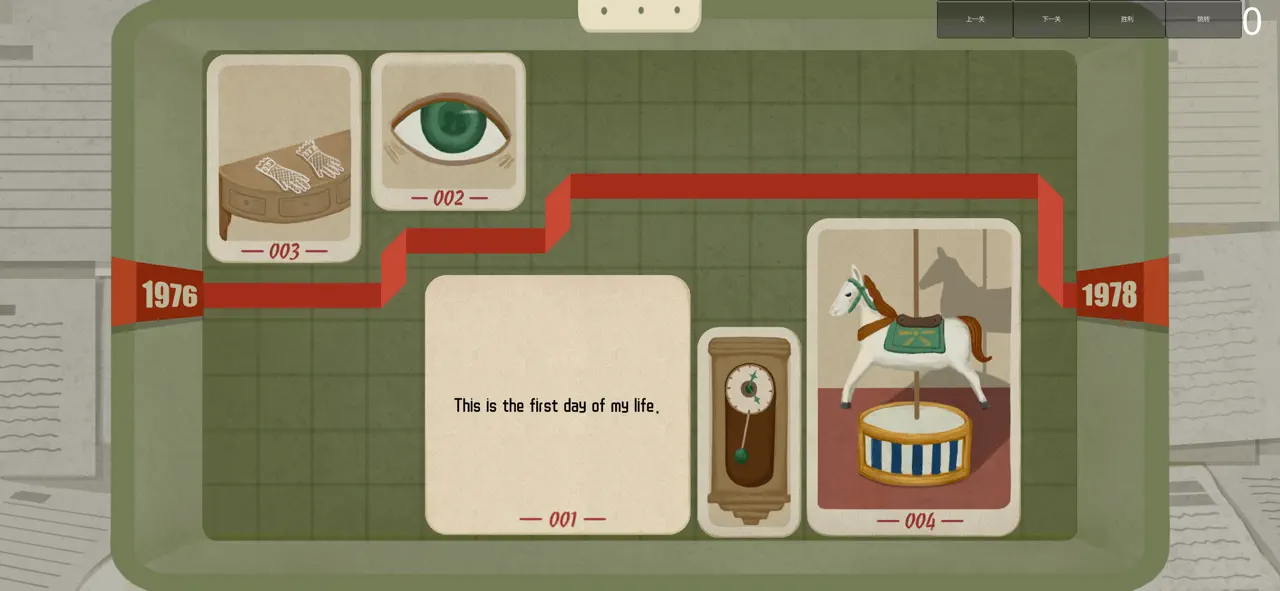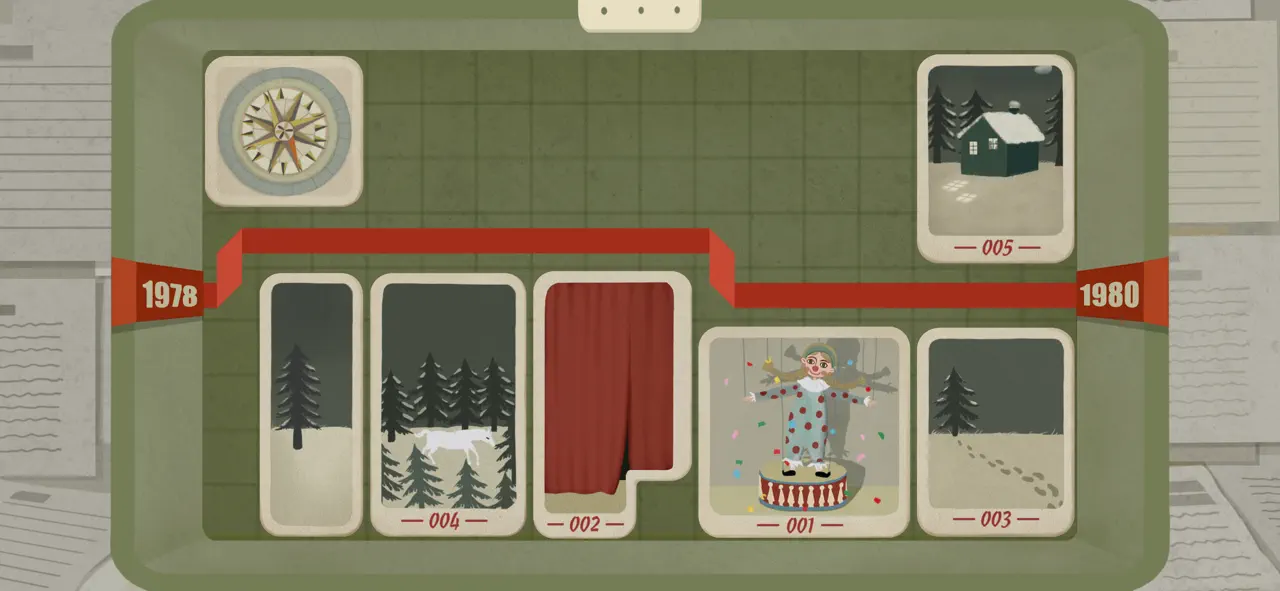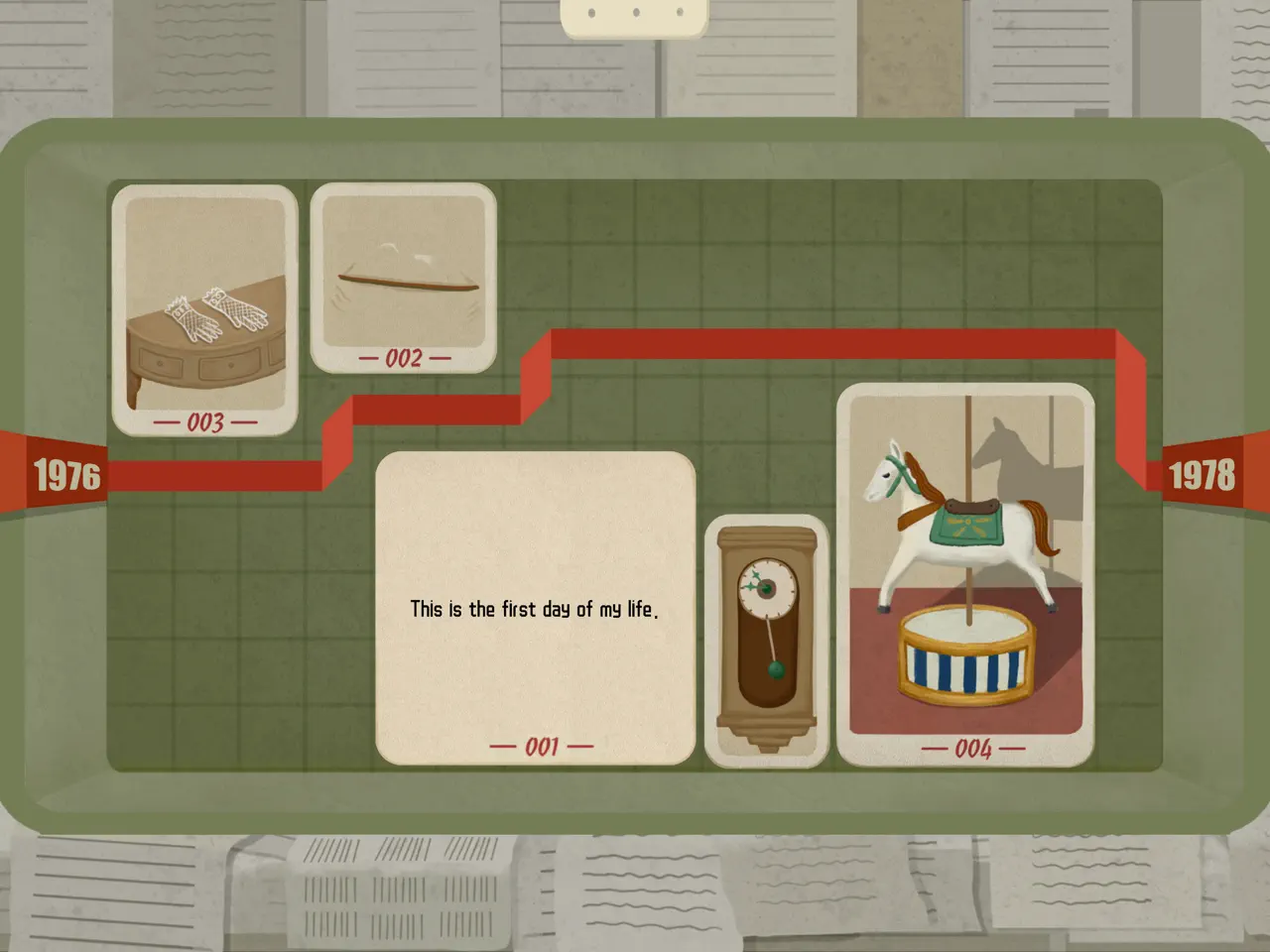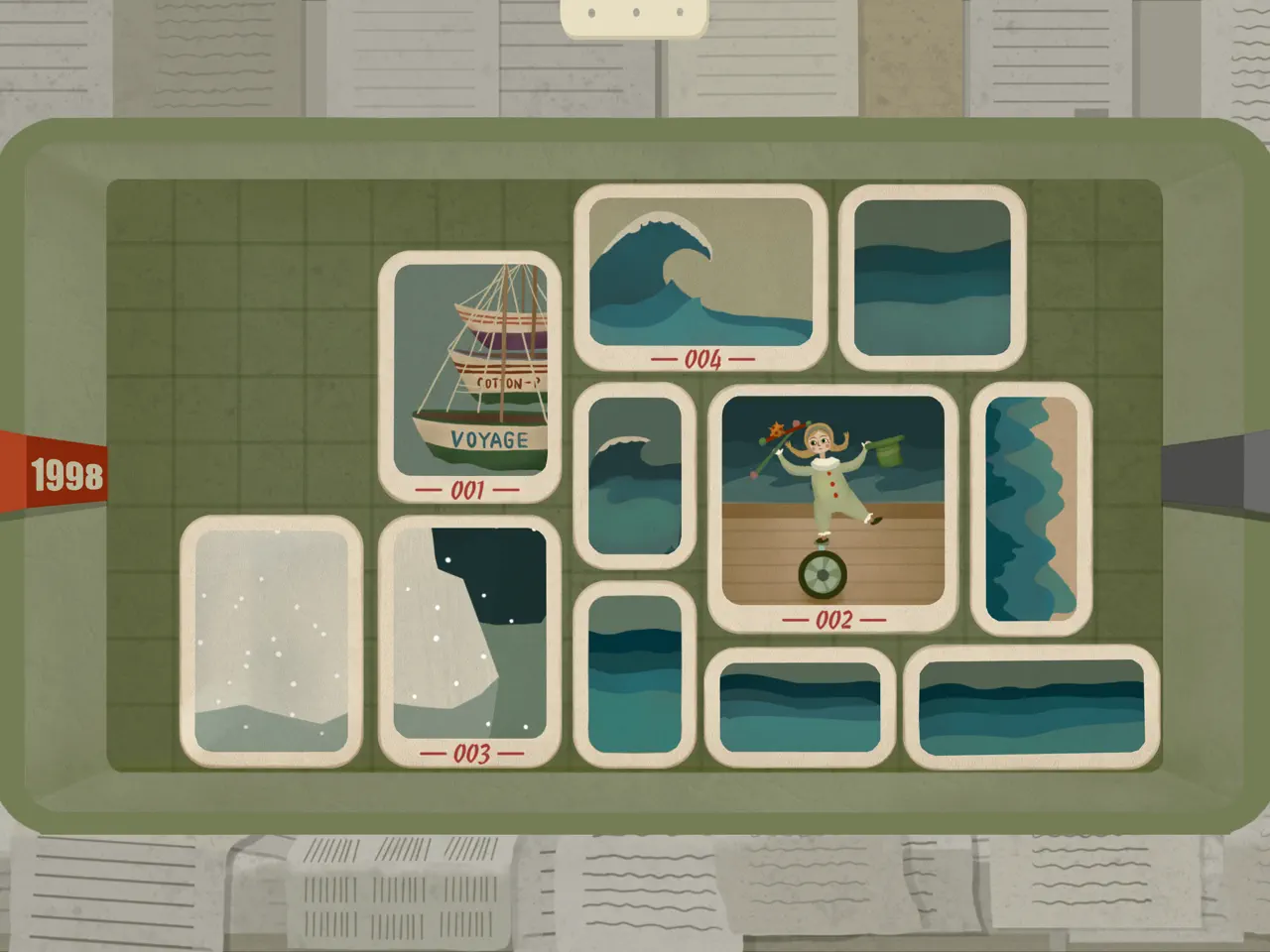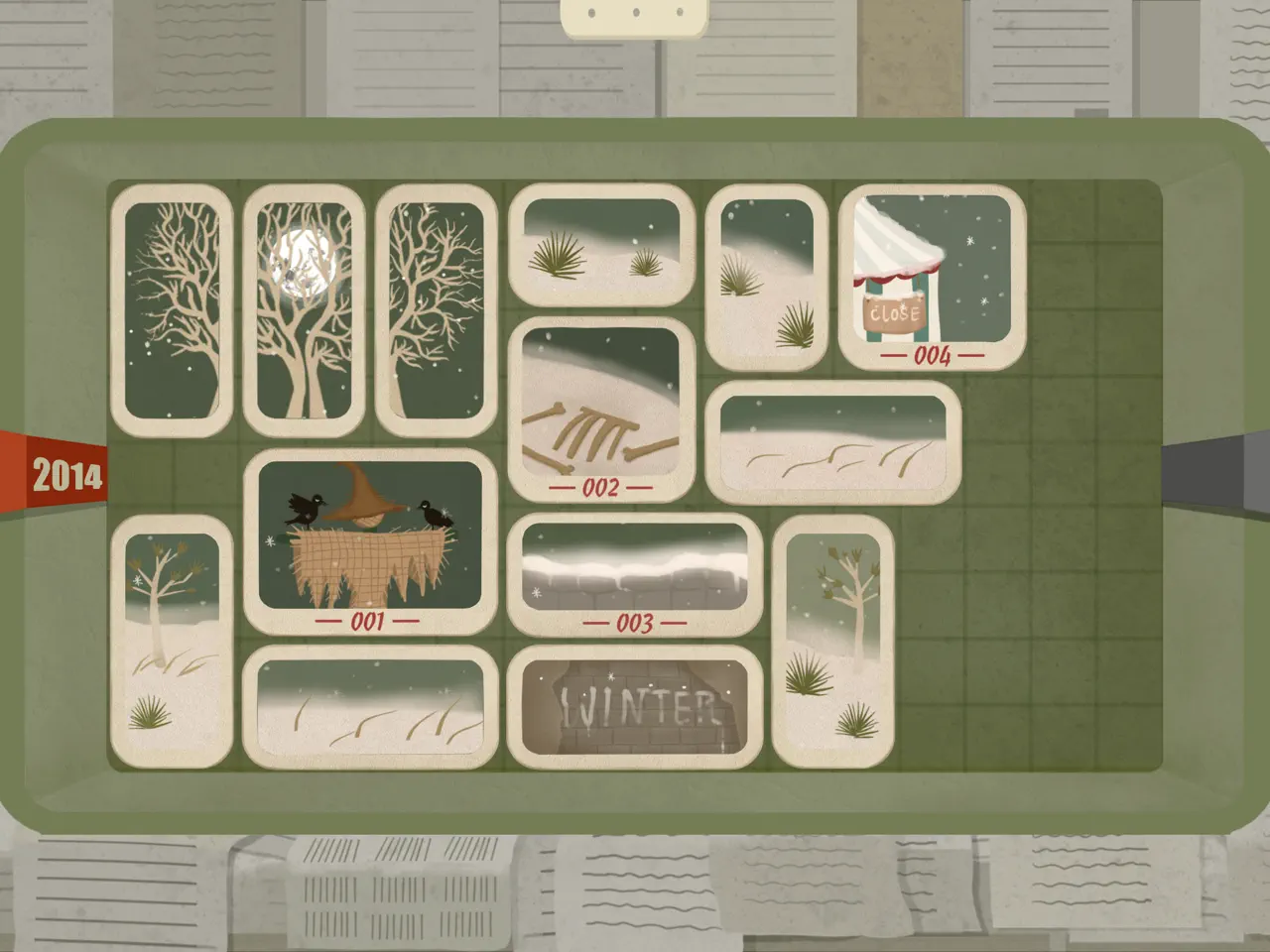
A Long Time is a poignant, melancholic journey that feels more like an interactive poem than a traditional puzzle game. CottonGame has a very distinct, hand-drawn art style that evokes a sense of nostalgia and 'mono no aware' (the pathos of things). The central mechanic—guiding a 'red line' of memory through sliding block puzzles—is simple, but it serves as a beautiful metaphor for trying to make sense of a long, complicated life.
While some might find the puzzles a bit basic compared to the developer’s more complex 'Isoland' series, the emotional payoff is where this game shines. It covers 60 years of a protagonist's life, and as you clear obstacles, you're essentially sorting through their grief, joy, and regrets. It’s a short, quiet experience best played with headphones on a rainy afternoon.
Dinsun here. Cotton Games usually delivers something special, but 'A Long Time' feels like they were more interested in the mood than the mechanics. The artwork is stunning—bittersweet and lovely in a way few mobile games manage. The music is equally haunting.
However, the puzzles themselves are frankly boring. You're mostly just moving tiles to let dots pass through. It’s something you could do in your sleep. I appreciate the narrative attempt, but as a gamer, I need more than just a pretty picture to stay engaged. It’s over in an hour, which is probably for the best because the gameplay wouldn't sustain a minute longer. Buy it for the vibes, but don't expect a challenge.
Performance: Polished, bug-free experience.
Buy if: You value atmosphere and art over complex gameplay.
Skip if: You want a puzzle game that actually makes you think.
Available on: iPhone, iPad, iPod
Version 2.0Wed Oct 27 2021
fixed a few bugs
This is our new franchise. It is a combination of a picture book and a game, featuring a warm and soothing mood and a rich story.
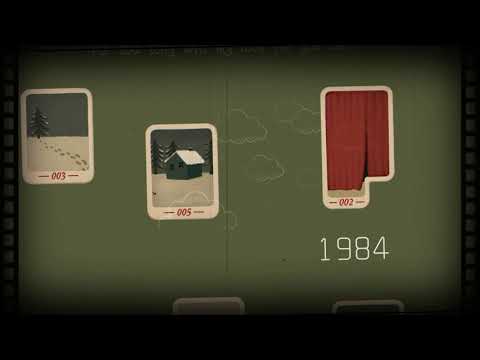
A Long Time is a story about love and promises. To complete the story, you need to clear the obstacles to let the red line of memory flow through the pages by moving the blocks - which are actually fragments of emotions and flashbacks scattered over 60 years time of the protagonist's life.
This is not only a game, but also an interactive picture book, which features unique artistic depiction, and a simple yet engaging way of interaction.
Requires iOS 9.0 or later. Compatible with iPhone, iPad, and iPod touch.Waiting is the sign of true love.
This is our new franchise. It is a combination of a picture book and a game, featuring a warm and soothing mood and a rich story.
A Long Time is a story about love and promises. To complete the story, you need to clear the obstacles to let the red line of memory flow through the pages by moving the blocks - which are actually fragments of emotions and flashbacks scattered over 60 years time of the protagonist's life.
This is not only a game, but also an interactive picture book, which features unique artistic depiction, and a simple yet engaging way of interaction.


A Long Time is a thoughtfully designed interactive picture book from the creators of Isoland. It blends soothing puzzle mechanics with a rich narrative centered on love and promises. Players must clear obstacles to guide a red line of memory through various stages of the protagonist's life, spanning six decades of emotional discovery.
Beautiful hand-drawn art style
Narrative spanning 60 years
Relaxing, contemplative gameplay
Interactive picture book experience
Multiple languages supported
The game focuses on a 'soothing mood.' Tap on background elements to discover subtle animations that add depth to the hand-drawn environments.
No, it is designed to be a relaxing, story-focused experience rather than a high-difficulty challenge.
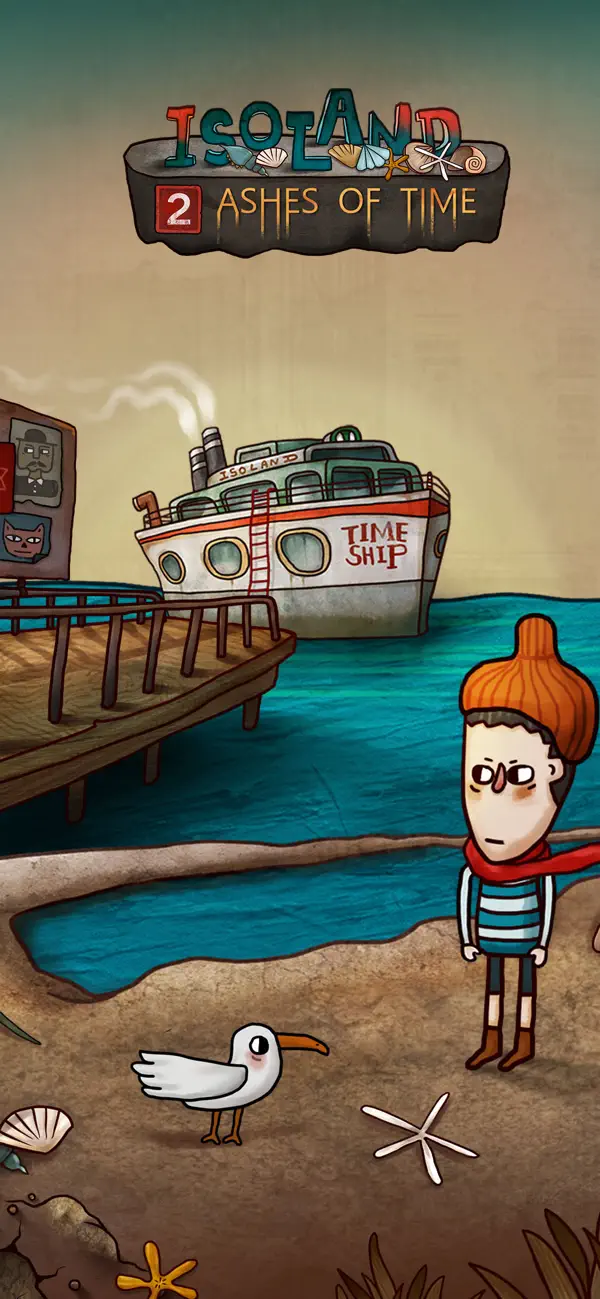
Dinsun here. I’ve seen my share of 'mysterious island' games since the Myst days, and Isoland manages to carve out a decent niche with its idiosyncratic art style. It doesn't hold your hand, which I appreciate in an era of mobile games that treat players like they've never seen a logic gate before. The puzzles are generally well-integrated into the environment, though a few feel like they were designed specifically to sell hint packs, which is a trend I find distasteful. The narrative is minimalist, told through atmosphere and cryptic notes rather than bloated dialogue trees. It’s a short experience, but it lingers. However, the backtracking can feel a bit tedious on a small screen, and the lack of a robust map or journal for key clues means you'll likely be taking a lot of screenshots to remember symbols. It's a solid, artistic endeavor that lacks the polish of a top-tier PC adventure game, but serves as a respectable distraction for an afternoon.
Florence is an interesting piece of software, though calling it a 'game' feels like a bit of a stretch for someone with my background. It uses very basic mechanics—shaking a polaroid, moving boxes, solving simple puzzles—to tell a grounded, human story. The way the puzzle pieces for dialogue become easier as the characters get comfortable is a brilliant use of the medium. It’s short, poignant, and clearly crafted with care. That said, as a gamer who looks for systems to master, Florence offers very little in the way of traditional engagement. You are essentially a passenger on a fixed track. While I respect the artistry and the avoidance of typical mobile tropes, it’s a 'one-and-done' experience that lasts less than an hour. It’s worth the time for the story, but don’t expect any mechanical depth here.
Dinsun here. I don't easily give games a pass when the gameplay is thin, but 'Old Man's Journey' is a rare exception. It's less of a traditional 'game' and more of an interactive storybook. The mechanic—sliding the hills and terrain up and down to create a contiguous path—is novel, but it never really evolves into a brain-burning puzzle. It stays easy. However, the hand-drawn art is genuinely spectacular, and the wordless narrative is surprisingly poignant. It’s a game meant to be experienced in a single, quiet afternoon. As a 40-year-old, the themes of regret and reconciliation hit home. It’s too short, and there is zero replay value, but for what it sets out to do, it’s remarkably successful.
Dinsun here. Isoland 2 follows the 'weird for the sake of weird' school of game design. The art is distinctive—crude but effective in creating a sense of unease. As for the puzzles, they are the kind of non-linear brain-teasers that will have you tapping every pixel on the screen. It's conservative in its evolution from the first game, which is fine if you liked the first one, but it doesn't do much to fix the occasionally obtuse puzzle logic that plagues the genre. It's a solid, somber adventure for those who like to be confused.
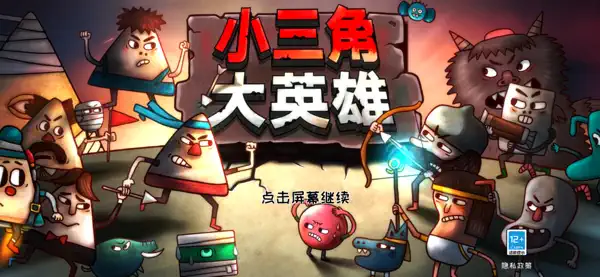
Finally, something that actually challenges me. Little Triangle doesn't hold your hand. It’s a 'masocore' platformer in the vein of Super Meat Boy, but with its own quirky visual identity. The controls are tight—which is non-negotiable for this genre—and the level design is clever. It uses simple jump-and-move mechanics but pushes them to the limit. The art style is unique, almost like a dark storybook, and it runs beautifully on mobile. My only real gripe is that the local co-op, while fun, is obviously a bit hampered by the screen size of a phone—play this on an iPad with controllers if you have friends. It’s hard, sometimes frustratingly so, but the feeling of clearing a difficult room is exactly why I play these games. It's the highlight of this list.
Now this is more like it. The Isoland series has always had a distinct identity, and the Amusement Park is no different. The art style is fantastic—it looks like a fever dream in a sketchbook. It’s conservative in its gameplay (standard point-and-click), but it excels at it. The puzzles can be incredibly obtuse. You really have to pay attention to the environment. It doesn't hold your hand, which I appreciate. My only real complaint is that it’s over too quickly. I wanted more time in this weird world.
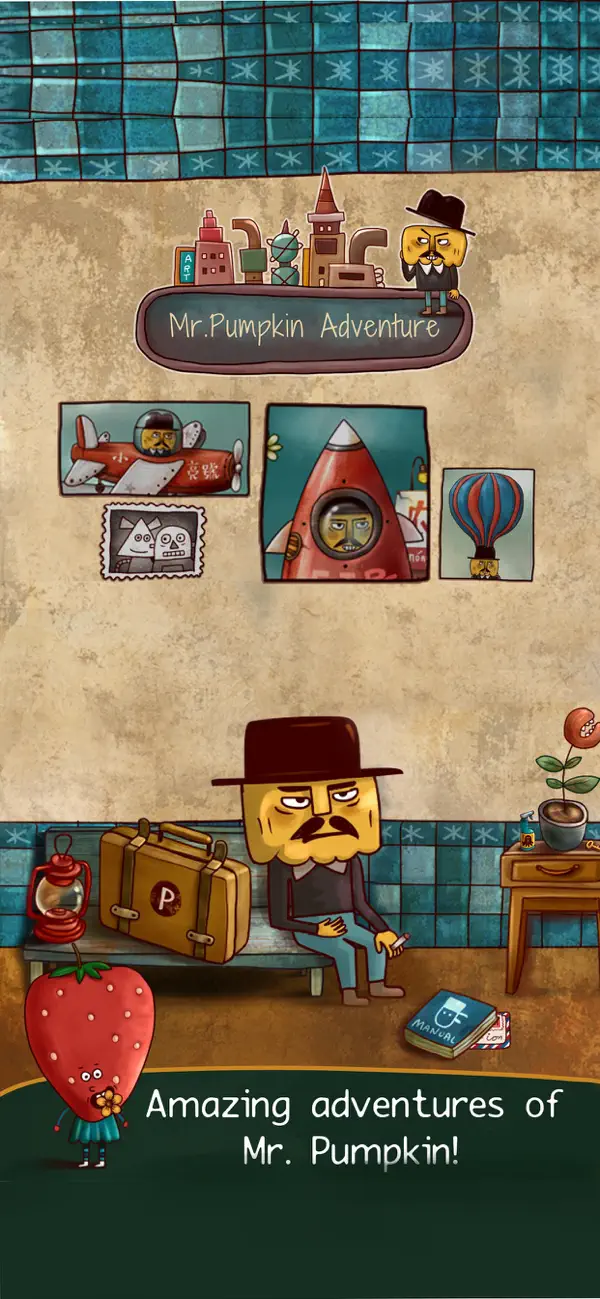
I grew up on Monkey Island and Day of the Tentacle, so I have a soft spot for point-and-click adventures. Mr. Pumpkin Adventure captures that classic feel while injecting a very modern, very weird sensibility. The art is fantastic—it looks like a fever dream from a talented illustrator. The puzzles themselves are hit-or-miss. Some are clever and logical, while others rely on that 'click everything on everything' frustration that plagued the genre in the 90s. The translation to English is also a bit spotty in places, which can make some clues harder to understand than they should be. However, the world is so interesting to look at that I found myself wanting to see the next screen regardless of the difficulty. It’s a bit rough around the edges, but it has heart, which is more than I can say for most of the corporate sludge on the App Store.
The Isoland series has always been an odd duck. It’s got that indie charm that I usually find pretentious, but I have to admit, there’s a solid mechanical foundation here. Isoland4 doesn't reinvent the wheel; it’s a standard point-and-click adventure with the same abstract logic that has defined the series. If you like puzzles that make you scratch your head and mutter about 'artistic license,' you'll find plenty to like here. However, the narrative is getting a bit thin. The 'cryptic mystery' vibe is starting to feel like an excuse for not having a cohesive story. The hand-drawn art is still the standout feature, providing a mood that most mobile games lack. It’s a short experience, and while the puzzles are mostly fair, a few rely on that 'moon logic' I can't stand. It's a decent way to spend an afternoon, but don't expect it to stay with you once the credits roll. It lacks the impact of the first game.