🎮 All Popular IOS Entertainment Games

 Dinsun Review60/100e.g., Buy Full Price / Wait for Sale / Skip

 Dinsun Review38/100Skip
I’m clearly not the target audience, but I can recognize a money pit when I see one. The 'game' itself is actually decent—it’s like a high-budget Toca Boca. The animations are good, and the amount of stuff you can customize is huge. If you’re a kid who loves Barbie, this is the ultimate toy. However, the 'VIP' subscription is a predatory mess. They show you all these cool rooms and clothes, but as soon as you try to click them, a 'Pay Now' screen pops up. It’s designed to make kids pester their parents for a credit card. It’s a shame because the core creative tool is well-made, but the monetization is so aggressive it leaves a bad taste in my mouth. It’s less of a game and more of a storefront with mini-games attached.
 Dinsun Review65/100Wait for Sale
Dinsun. This isn't for me, but I can see the craft. The animations are genuinely impressive—they’ve captured the jittery movement of a kitten perfectly. As a 'game,' it’s non-existent. There’s no challenge, no win condition, just interaction. For a 5-year-old, it’s magic. For anyone over 10, it’s a screensaver you have to poke occasionally. I'll give it points for technical execution, but that's it.
 Dinsun Review61/100Subscription Based / High Value for Safety-Conscious Parents
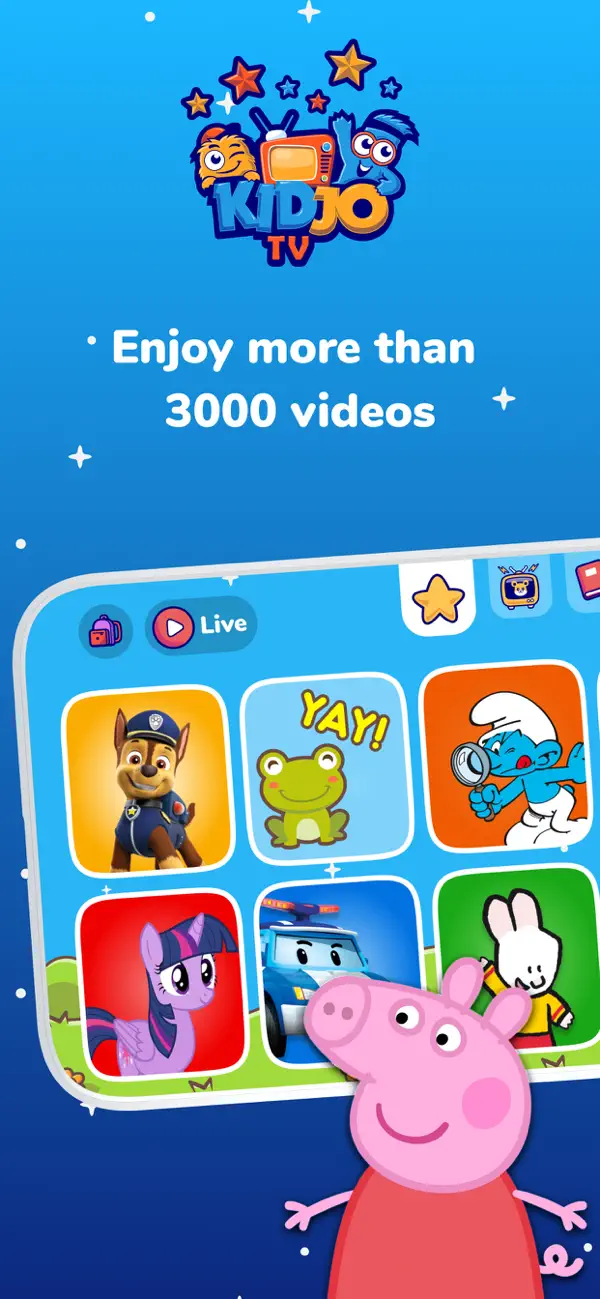
As a critic, this isn't a game, it's a utility. From a 'user experience' perspective, it’s well-built. The parental controls are some of the best I've seen—it’s clear the developers understand the anxiety of modern parents. The content is 'safe,' which usually means it's a bit bland, but that's exactly what most people are looking for here. My issue is the subscription cost. In a world where Disney+ and Netflix exist, paying a separate premium for a much smaller library of children's content is a tough sell. Yes, the 'educational' focus is there, but much of the content is available elsewhere. It’s a luxury product for parents who want absolute peace of mind. It’s not 'fun' for an adult, and it’s not particularly innovative, but it does its one job—keeping kids safe—very well.
 Dinsun Review50/100Wait for Sale / Skip
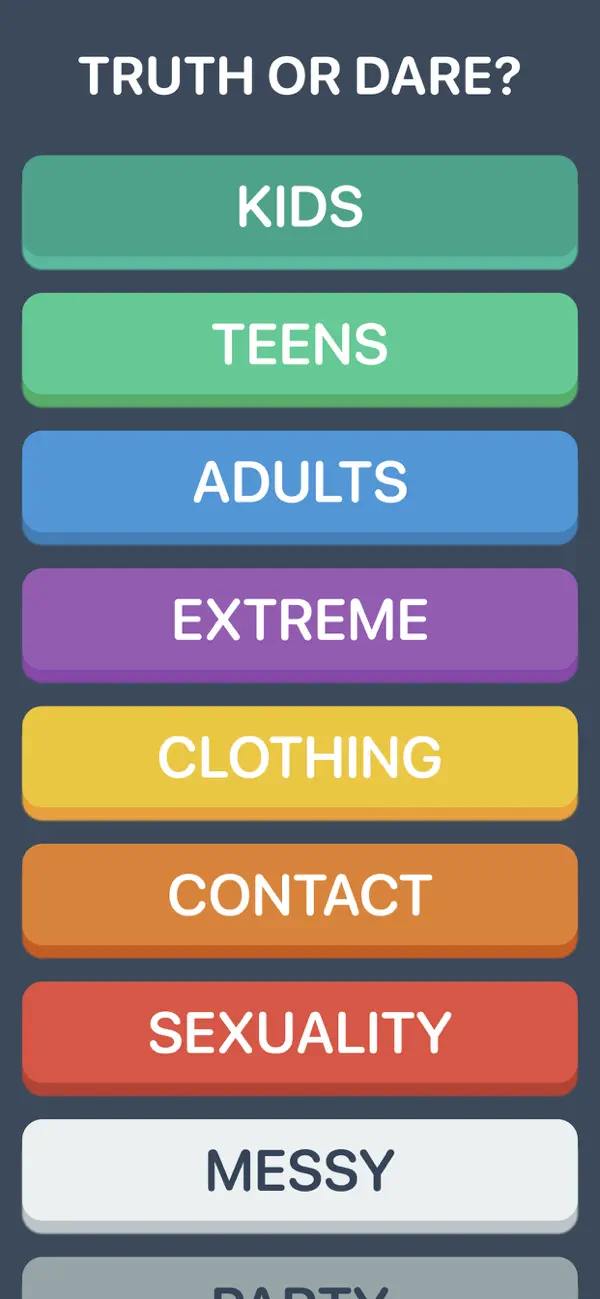
Dinsun here. I’m too old for 'Extreme' Truth or Dare, but I can see the utility here. It removes the 'I can't think of anything' problem at a party. The UI is a bit loud and tacky, and the monetization is steep—paying a subscription for sentences that you could find on a Google search feels like a scam to me. It does what it needs to do for a tipsy group of 20-somethings, but as a 'game,' it has zero depth or creativity.
 Dinsun Review28/100Skip
Let's be clear: this isn't a game; it's a piece of collateral. As someone who grew up with toys in cereal boxes, I understand branded entertainment, but this is the modern, sterile equivalent. The 'play' elements are rudimentary at best—simplified mini-games that offer no challenge and exist solely to keep a child occupied while the brand name sits in the corner of their vision. The production quality of the animation is decent, but the content feels overly sanitized and corporate. It lacks the creative risk-taking that makes real games memorable. If you’re looking for a digital babysitter that aligns with a specific corporate image, this is it. If you’re looking for actual gaming substance, you’re in the wrong drive-thru.
 Dinsun Review35/100Skip (unless you need a free babysitter)
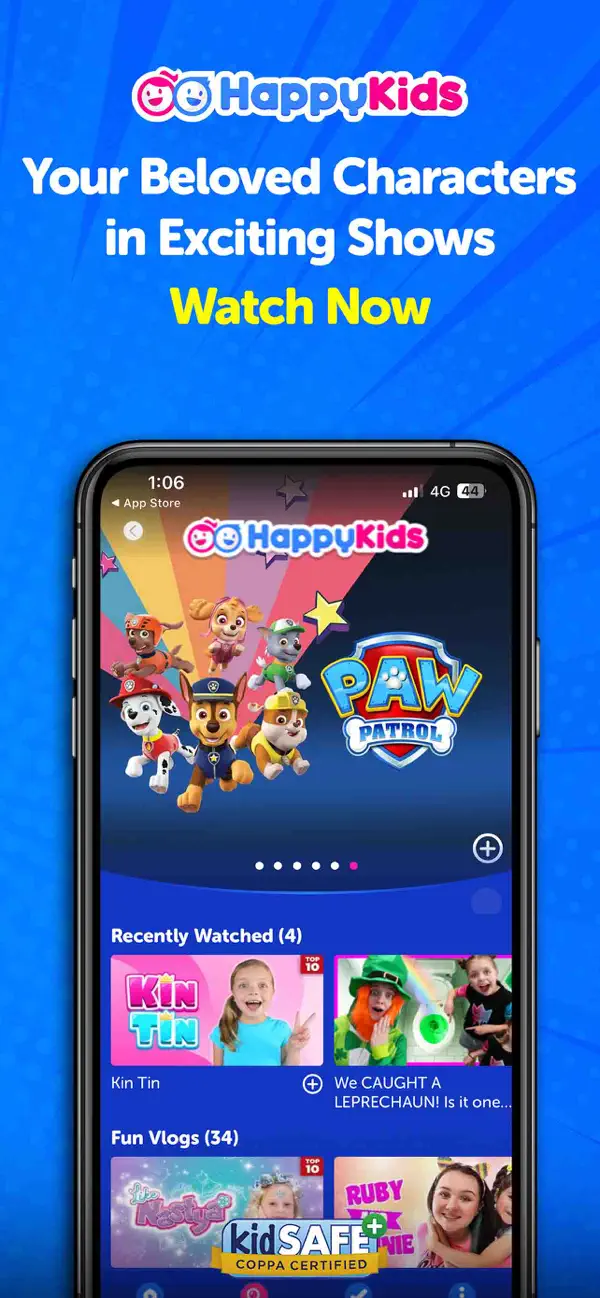
Calling this a 'game' is a reach that even my 40-year-old joints can't make. It’s a content aggregator, a glorified wrapper for YouTube videos that parents use as a digital sedative. As a gamer who grew up with deliberate, hand-crafted experiences, I find the sheer volume of 100,000+ videos exhausting. It's built on the quantity-over-quality model that defines modern mobile 'engagement'—throwing everything at the wall, from Cocomelon to Roblox vlogs, and hoping something sticks long enough to keep a kid quiet. Technically, it functions as a portal, but it offers nothing in the way of original interaction or mechanical depth. The interface is serviceable but clearly designed to be a bottomless pit of scrolling. If you're looking for a curated safe space, it does that job, but as an interactive experience? It's hollow. I’ve seen more innovation in a 1990s shareware menu. It serves a utilitarian purpose for tired parents, but don't mistake this for a meaningful gaming or learning tool.
 Dinsun Review30/100Skip
Dinsun here, and I'm clearly not the target audience, but even from a critical standpoint, this is cynical. It’s an empty world designed to look like the cartoon, where every two minutes you're hit with a 'Please ask your parents to unlock this pup' prompt. The gameplay is essentially 'walk from A to B and tap a thing.' There is no challenge, no real learning, and the repetition is mind-numbing. It’s predatory toward children’s attention spans and their parents' wallets. I grew up with Pajama Sam and Spy Fox—games that actually had puzzles. This is just a sequence of colorful triggers. Avoid.
 Dinsun Review45/100Free (with caution)
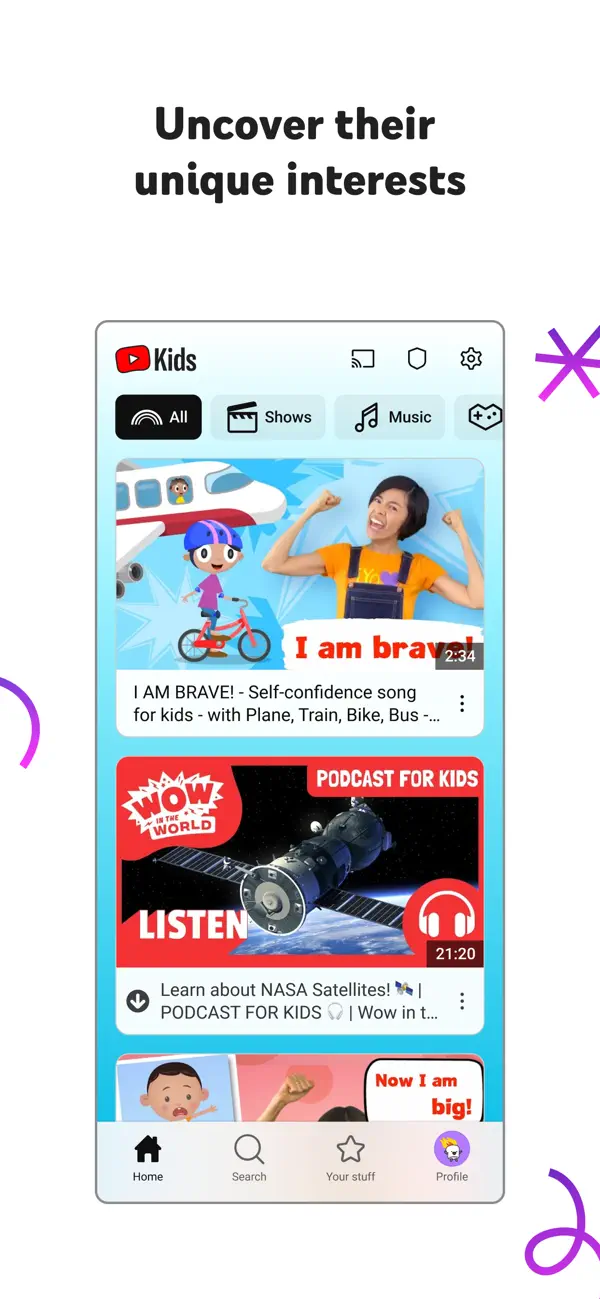
I don't have kids, but I've watched enough 'content' on here to know that the algorithm is the real final boss. As an app, it's fine—it's functional, big buttons, loud colors. But from a critical standpoint? It's a hollow experience. The content is repetitive, often lacking any real creative spark, and designed purely to keep eyes glued to a screen. The interface is so simplified it's almost insulting, though I suppose that's the point. There's no depth here. No mastery. It’s the digital equivalent of a ball pit—safe, padded, and ultimately boring after five minutes. I appreciate the parental controls, but we shouldn't confuse 'distraction' with 'quality entertainment.' It does what it’s meant to do, but as a gamer who values complex systems, I find this trend of passive consumption worrying.
 Dinsun Review38/100Skip (Unless you have a child obsessed with Barbie)
I’ve seen plenty of licensed software in my forty years, and Barbie Color Creations is exactly what I expected: a functional but shallow digital coloring book designed to keep a child's attention while dangling a subscription model in front of them. The interface is clean enough, but the actual 'creativity' is guided by rails so strict that it feels more like a paint-by-numbers exercise than an art tool. The technical side is stable, yet there is a lack of ambition in the mechanics. You color, you place a sticker, and you're prompted to buy the full version. It lacks the soul of the classic Barbie PC titles from the 90s. For a veteran gamer, this represents the current 'freemium' trend where the brand name does the heavy lifting while the gameplay remains paper-thin. It’s colorful, sure, but it's ultimately a hollow experience for anyone looking for actual substance.
 Dinsun Review85/100Must-have for LEGO fans
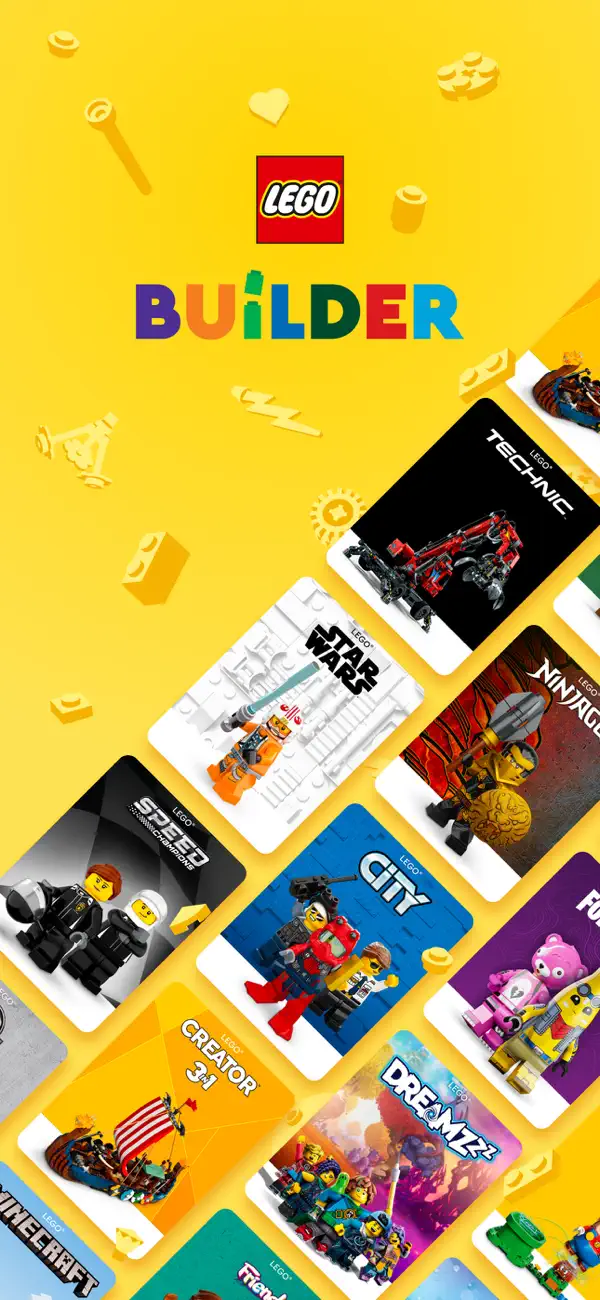
Dinsun here. This isn't really a 'game' in the traditional sense, but as a utility, it’s flawless. Being able to rotate a 3D model of a set while you're building it is a game-changer, especially for complex Technic builds. It’s clean, it’s free, and it’s officially supported. It’s a rare example of a big company making something that just works. There’s no monetization here, no ads, just helpful content. It’s conservative and practical. If you have any modern LEGO sets, you should have this on your tablet. It’s that simple.
 Dinsun Review70/100Buy Full Price (Premium Version)
Dinsun. I hesitate to call this a 'game.' There are no objectives, no scores, no losers. It's a digital distraction. However, as a piece of software, it's impressive. The math behind the fluid movement is top-tier. It looks better than many high-budget visual effects I've seen. It’s the kind of thing you show someone to prove why they bought a high-resolution screen. Good for five minutes of calm, then you'll want to play something real.
 Dinsun Review35/100Skip
As a 40-year-old gamer who grew up on actual gameplay mechanics and one-time purchases, evaluating a digital coloring app is an exercise in managing frustration. Disney Coloring World is undeniably slick, presenting beloved characters with a polished interface that will easily captivate a toddler. However, underneath the shiny Mickey Mouse veneer lies a predatory subscription model that locks the vast majority of its content behind a steep recurring paywall. The actual 'coloring' often boils down to mindless tap-to-fill mechanics, stripping away any real artistic merit or skill development for young players. The 3D sticker book environments are a neat distraction, but they lack meaningful interaction. I understand I am not the target demographic, but as a parent and a traditional gamer, I find the monetization of basic childhood creativity to be a cynical practice. It's a digital distraction, not a game.
 Dinsun Review65/100Wait for Sale (Subscription required for full experience)
Look, I’m not the target audience for this, but I can recognize quality when I see it. The developers clearly respect the source material. The art style is spot-on, the voices are there, and the general vibe of the Heeler household is perfectly captured. It’s a digital dollhouse done right, allowing kids to just mess around with objects and see how they interact, much like the Toca Boca series. It’s wholesome, educational in a subtle way, and genuinely cute. However, we need to talk about the 'Expert Reviewer' side of this. The monetization is aggressive for a kids' game. They lock a huge chunk of the house and characters behind a monthly subscription. As a 40-year-old who remembers when you just bought a game and owned it, this 'service' model for a digital toy feels cynical. It’s great for the kids while they're playing, but parents are going to feel the sting in their wallets. It’s a high-quality product, but the pricing strategy leaves a bad taste in my mouth.
 Dinsun Review15/100Skip
I’m here to review games, and Sensical is not one. It’s a video player for children. There are zero mechanics, zero interaction, and zero agency. As an expert gamer, I find nothing here to critique in terms of gameplay because there isn't any. It’s like being asked to review a television set based on the show that’s currently playing. I’m scoring it low because as an entry in a gaming database, it’s a non-entity. From a technical perspective, the UI is bright and easy for a toddler to navigate, I suppose. But as someone who has been gaming for forty years, I find the inclusion of streaming apps in 'games' categories to be an annoying trend. If you’re a parent looking for a way to stop your kid from seeing weird things on YouTube, fine. But don't call it a game.
 Dinsun Review35/100Skip
I don't even know if I can call this a game. It’s a digital coloring book where the game chooses the colors for you. There is no creativity, no challenge, and no point. It’s clearly a template that someone swapped Halloween assets into. Every few taps, you're hit with a full-screen video. It’s frustrating and clearly designed to farm ad views from children or people who are extremely bored. The art is generic. There are a hundred better versions of this on the store that aren't this transparent about being a cash grab.
 Dinsun Review82/100Wait for Sale
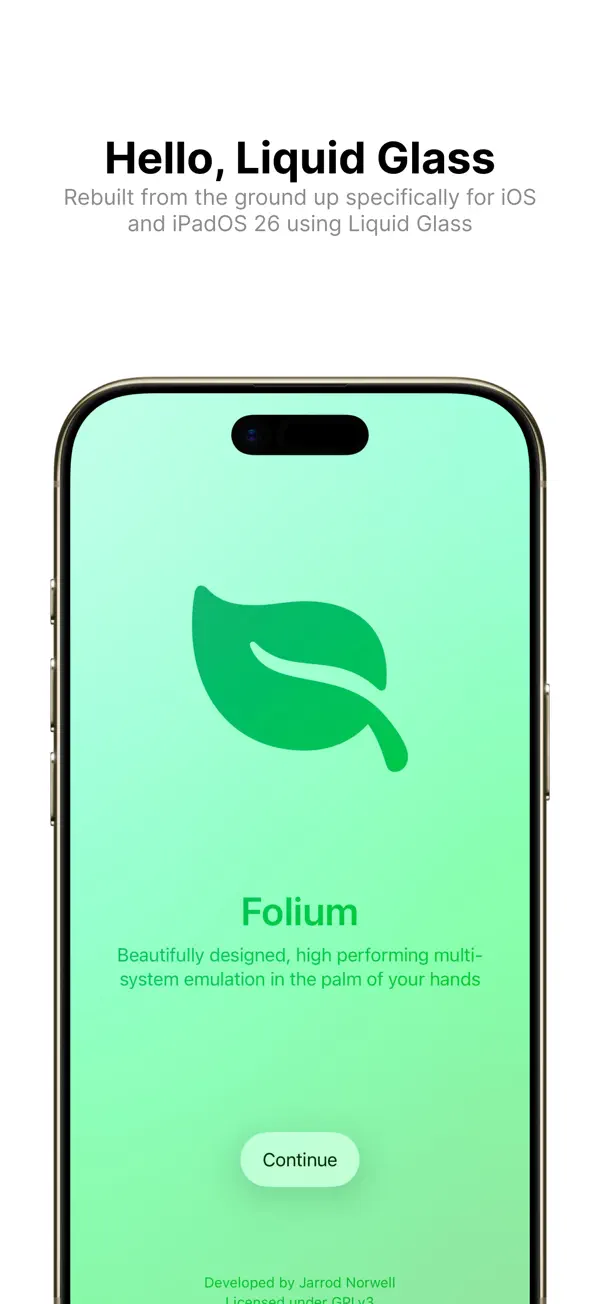
Folium is an interesting beast. It’s one of the first serious 3DS emulators to hit the App Store officially, and for that alone, it's worth noting. The interface is gorgeous—very 'Apple-like'—and it doesn't feel like a janky port. When it works, it works beautifully, especially on the newer chips where you can actually get full-speed 3DS emulation. However, it's not 'plug and play.' You have to find your own BIOS files and ROMs, which will be a hurdle for casual users. There are also still some performance hiccups and audio crackling in more demanding titles. It’s also a paid app, which is a bold move in an ecosystem where Delta is free. But if you want 3DS support in a polished package, this is currently the best legal option on the store. It’s a tool for the dedicated enthusiast, not the casual gamer.
 Dinsun Review70/100Wait for Sale (for bundles)
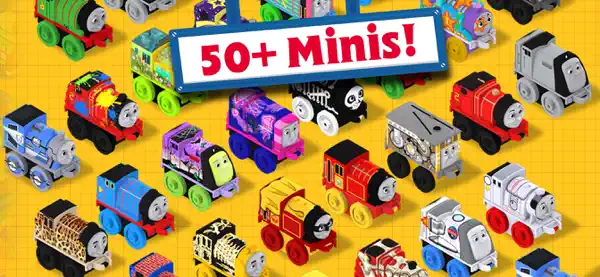
As a man who grew up with physical models, I can appreciate the utility here. This isn't a 'game' in the traditional sense—there are no losers and no high scores. It’s a creative tool for children, and in that, it succeeds. The track building is intuitive, and the 'stunt' pieces add a level of whimsy that would be impossible with real plastic tracks. However, the monetization is typical of modern licensed mobile apps. Many of the best 'worlds' and engines are locked behind paywalls. If you're a parent, expect to be pestered for the Dino Park expansion. The 3D ride-along mode is a nice touch, giving a 'train's eye view' of the track, though the framerate can dip when the tracks get too complex. It's a solid digital toy, provided you're willing to pay for the full experience.
 Dinsun Review40/100Skip (unless you are a parent)
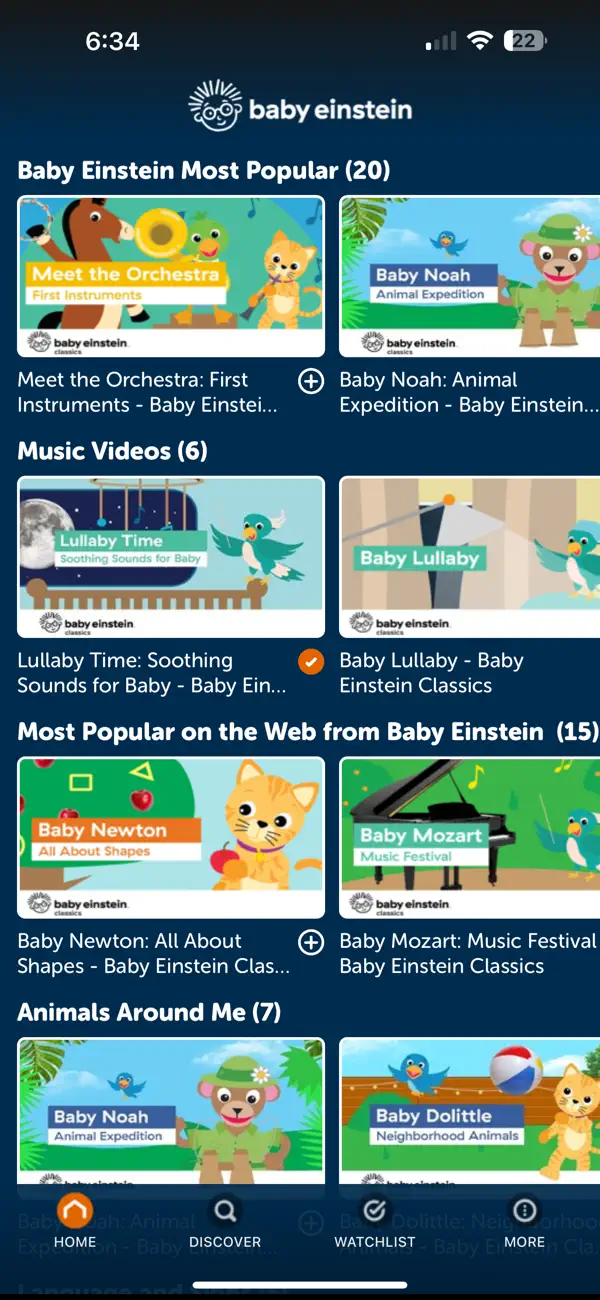
I’m reviewing this as a gamer, and as a gamer, there's nothing here. It’s a subscription service for educational videos. The 'interactive' elements are so minimal that they barely qualify as mechanics. That said, the production value is high. The music is classical, and the visuals are clean. It’s a tool for parents, not a game for players. I can’t give it a high score because there’s no challenge or system to master, but it does exactly what it intends to do. It’s the digital equivalent of a mobile over a crib.
 Dinsun Review42/100Skip / Free Version only
Dinsun here. I can't even call this a game. It's a utility. It's the digital version of drawing straws. If you're at a restaurant and no one wants to pay the bill, you pull this out. It works, it's fast, and it does exactly what it says. But as a piece of software, it's barren. There's no depth, no reason to open it unless you're with a group, and the 'shock' gimmick is just the vibration motor doing its job. It's a free app that exists to show you ads after you've used it once. It's fine for what it is, but let's not pretend it's an 'experience.' It's a coin flip for people who can't be bothered to carry a coin.
 Dinsun Review60/100Skip (unless interested in the topic)
I'm a fan of trivia—it tests the brain. Kurdivia is very specific. If you aren't part of the target demographic, you'll be lost, but as a piece of software, it's functional. The UI is basic and it doesn't do much beyond asking questions. It's a decent educational tool, but as a 'game' in the broader sense, it's quite limited.
 Dinsun Review55/100Buy Full Price (for kids)
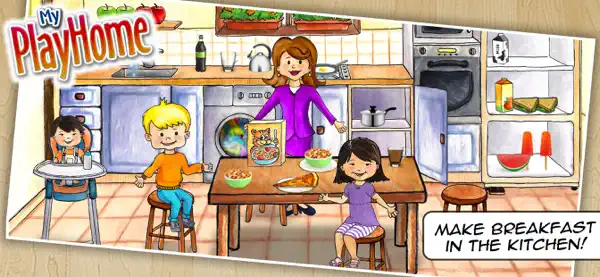
I respect the engineering that went into My PlayHome. It’s essentially a 2D physics sandbox for kids. Everything you touch does something—the lights flip, the bread toasts, the characters can 'sleep' in beds. It’s incredibly conservative in its design, sticking to a very traditional 'house' theme without any weird gimmicks. However, from a gamer’s perspective, there’s zero friction. No score, no levels, no lose state. It’s pure pretend play. While it’s probably the best digital dollhouse I’ve seen, I can’t give it a high score as a 'game.' It’s a simulation of domesticity for toddlers. If you have kids, it’s a brilliant way to keep them quiet; if you’re looking for a gaming experience, look elsewhere.
 Dinsun Review25/100Skip
This is a gimmick. Plain and simple. I’ve seen some bad ports in my time, but trying to play Suika Game on a tiny screen with my finger blocking half the view is an exercise in futility. It’s awkward, it’s glitchy, and it drains your watch battery faster than you can say 'fruit salad.' I don't understand the appeal of playing something this frustrating on such an inappropriate device. The physics are non-existent, and the controls are clunky. If you're so bored that you need to play a sub-par puzzle game on your wrist, you should probably just look at the wall instead. It’s a waste of money for a platform that isn't meant for this kind of interaction.
 Dinsun Review60/100Skip
The tech here is genuinely cool. Seeing a high-fidelity dragon perched on your actual coffee table is a trip, and they’ve nailed the sound design—the roars feel authentic to the show. It’s a great piece of marketing for the HBO series. However, once you get past the 'wow' factor of the AR, there isn’t much to do. It’s essentially a high-budget Tamagotchi. You feed it, you pet it, you wait. The progression is slow, and there isn't enough variety in the interactions to justify a 40-year-old checking his phone four times a day to 'bond' with a digital lizard. The Valyrian voice commands are a nice touch for the hardcore fans, but for a general gamer, it feels like a very polished toy rather than a game. I expect more from a 'Game of Thrones' property than just a virtual pet.
 Dinsun Review45/100Skip
Dinsun here. Talking Carl belongs in an app museum, not a serious game library. Back when the App Store was new, speaking into your phone and hearing a character echo it back was a neat party trick. In 2026, it is an outdated utility that occupies an active toddler for about five minutes before the repetition sets in. It works, but it's not a game.
 Dinsun Review78/100Buy Full Price
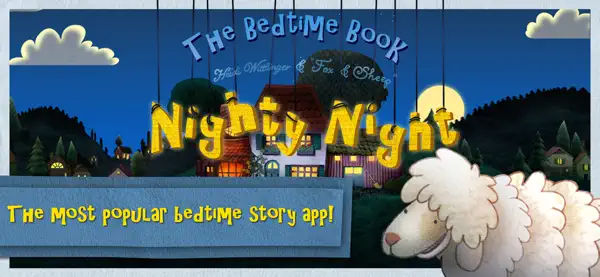
Dinsun here. Let us be clear: this isn't a traditional strategy game or skill-based software challenge. But looking at it as an interactive bedtime utility, it is exceptional. Heidi Wittlinger's production artwork is elegant, textured, and warm, avoiding the loud sensory overload common in modern media. Tapping the lights off has a nice ritualistic logic to it. It does its job beautifully without flashing microtransactions or garbage pop-ups at your face.
 Dinsun Review12/100Skip
I don't know what kind of broken script pulled this into a database meant for gaming reviews. This is a streaming television application, not software with win states, mechanical gameplay loops, or input friction. Evaluating it as a piece of interactive entertainment is impossible because its design parameters are built around passive consumption. It functions beautifully as a video delivery service, but it belongs nowhere near a game collection. If you want me to critique it as an application, fine: it's clean, features excellent bitrates for 4K video playback, and has a minimalist aesthetic that works. But from a gaming standpoint? The score stays on the floor because it simply isn't a game. Let's move on to real software.